

How Philips is helping radiology teams address today’s challenges
Global healthcare company Philips is helping radiographers overcome the many challenges facing the profession




Sponsored article by Philips
Radiology is at the heart of healthcare, with nearly 90 per cent of patients interacting with radiology services1. At the same time, radiology departments are facing a number of challenges: increasing patient numbers, workforce shortages and financial constraints. These pressures are increased by the speed of technological change and growing expectations from patients, regulators and staff for better outcomes and more sustainable practices.
Drawing on decades of experience and close collaboration with hospitals worldwide, Philips is helping radiology teams to overcome these challenges.

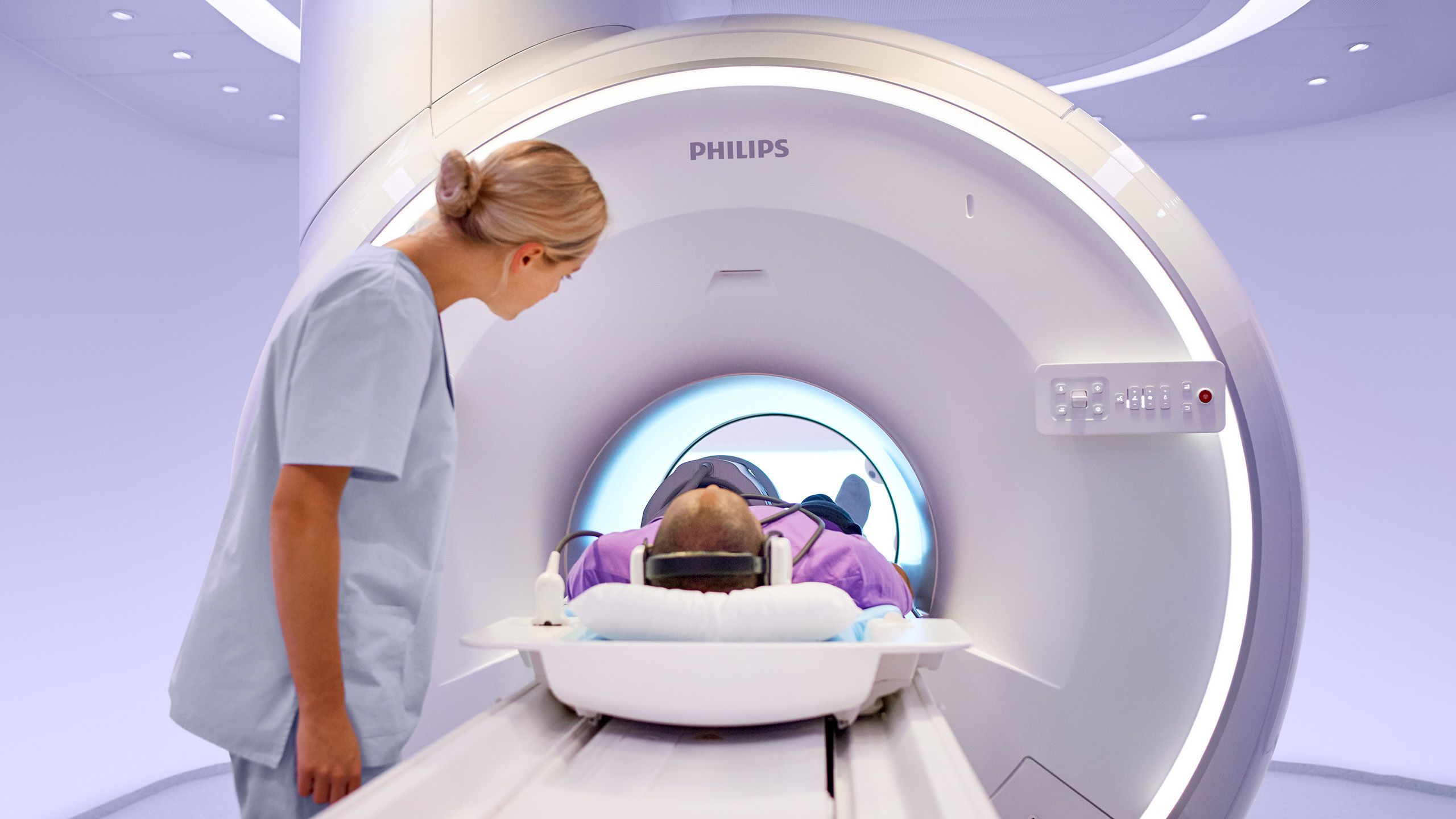
Tackling workforce shortages
The global shortfall of skilled professionals is one of the most urgent issues in radiology. The UK is facing a 30 per cent shortfall in radiology staff2 and the World Health Organization predicts a global shortfall of 10 million healthcare workers by 20303. This shortage leads to increased workloads, longer hours and higher stress levels. Meanwhile, 97 per cent of radiographers in Germany report moderate to severe job stress, with burnout a serious, growing risk4.
Philips addresses these challenges with advanced automation and AI-powered workflow solutions. For example, Philips’ MR SmartSpeed technology delivers scans up to three times faster, enabling radiographers to see more patients without increasing staff pressure. Philips’ PACS systems can reduce average reporting time by 40 per cent, freeing up valuable clinical time and allowing radiographers to focus on patient care rather than administrative tasks5.
Philips also offers training, workflow optimisation and consultancy services, helping hospitals attract and retain staff to their workforce.
Managing data overload and siloed systems
Healthcare generates approximately 30 per cent of the world’s data, growing faster than media and entertainment6. Clinicians are overloaded with information and hospitals are relying on legacy systems that are unable to coordinate patient information effectively.
Philips connects diagnostic equipment, software and digital technologies across the entire workflow. With vendor-neutral Enterprise Viewers and Radiology Operations Command Centers, Philips enables collaboration, remote support and real-time connections between staff. This breaks down silos and ensures clinicians have the information they need, when they need it.
For example, the Philips Radiology Operations Command Center allows experts to support staff at scan locations across an organisation, regardless of physical location. This not only improves access to care, it also strengthens team collaboration by providing training and guidance to newer team members.
Enhancing patient outcomes and diagnostic confidence
Radiology’s main goal is to deliver accurate, timely diagnosis that improves patient care. However, high patient volumes, staff turnover and complex cases make it challenging to consistently maintain the quality of care provided.
Philips uses AI to improve diagnostic accuracy and confidence. For instance, AI algorithms in Philips’ MRI systems can deliver up to 65 per cent higher image resolution, enabling clinicians to provide confident and efficient diagnoses7.
Philips patient-centric technologies, such as the ambient experience portfolio, helps reduce anxiety and improve comfort, leading to better patient experiences and outcomes. Research shows that ambient experience can result in 90 per cent better patient comfort levels, 70 per cent fewer rescans and 80 per cent less sedation8.
Driving sustainability and financial performance
Sustainability is now essential for every business. Healthcare’s environmental footprint is significant, accounting for 4.4 per cent of global CO₂ emissions, more than aviation or shipping9. Hospitals are expected to provide more care to more people, sustainably, despite budget constraints and rising costs.
Philips is a global leader in sustainable healthcare; for example:

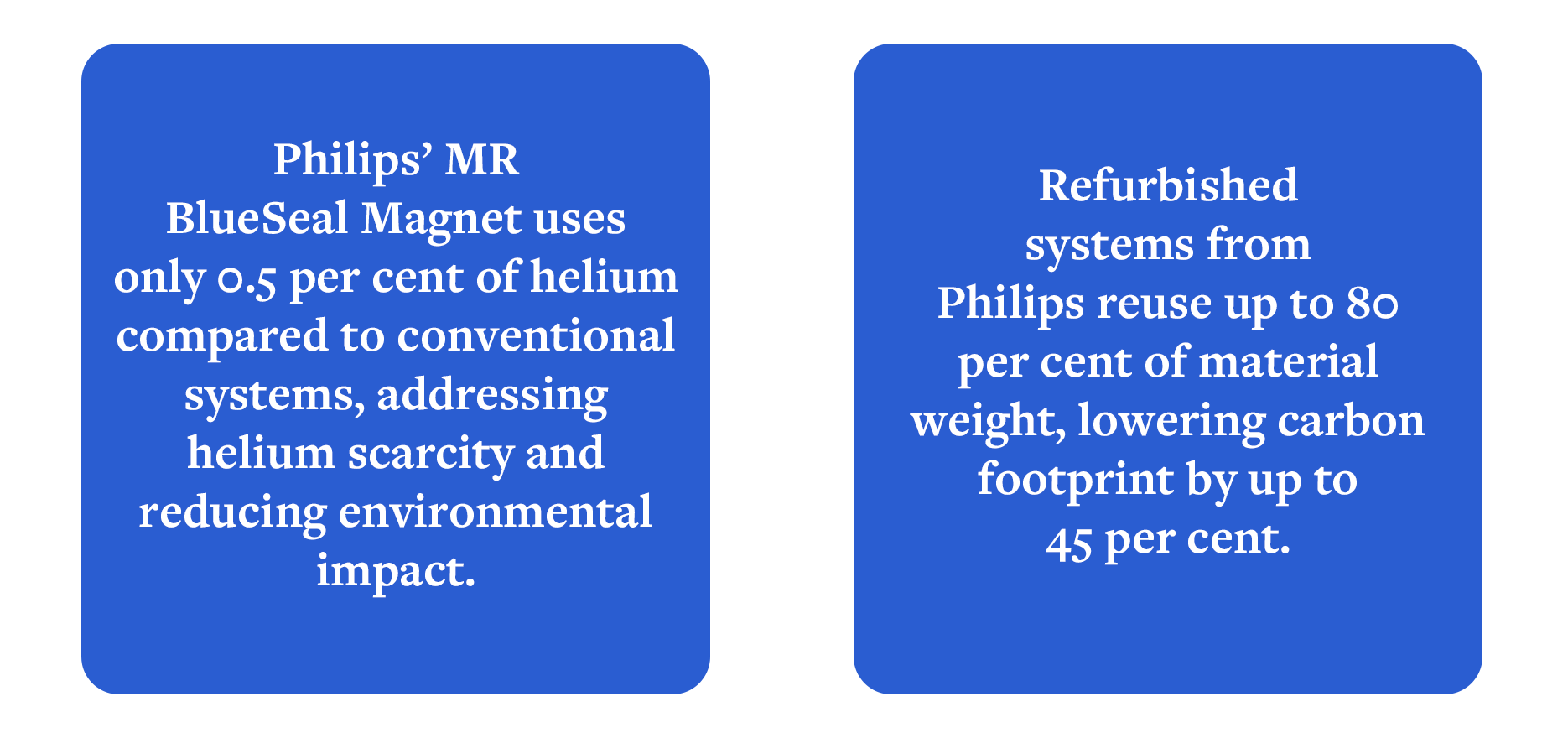

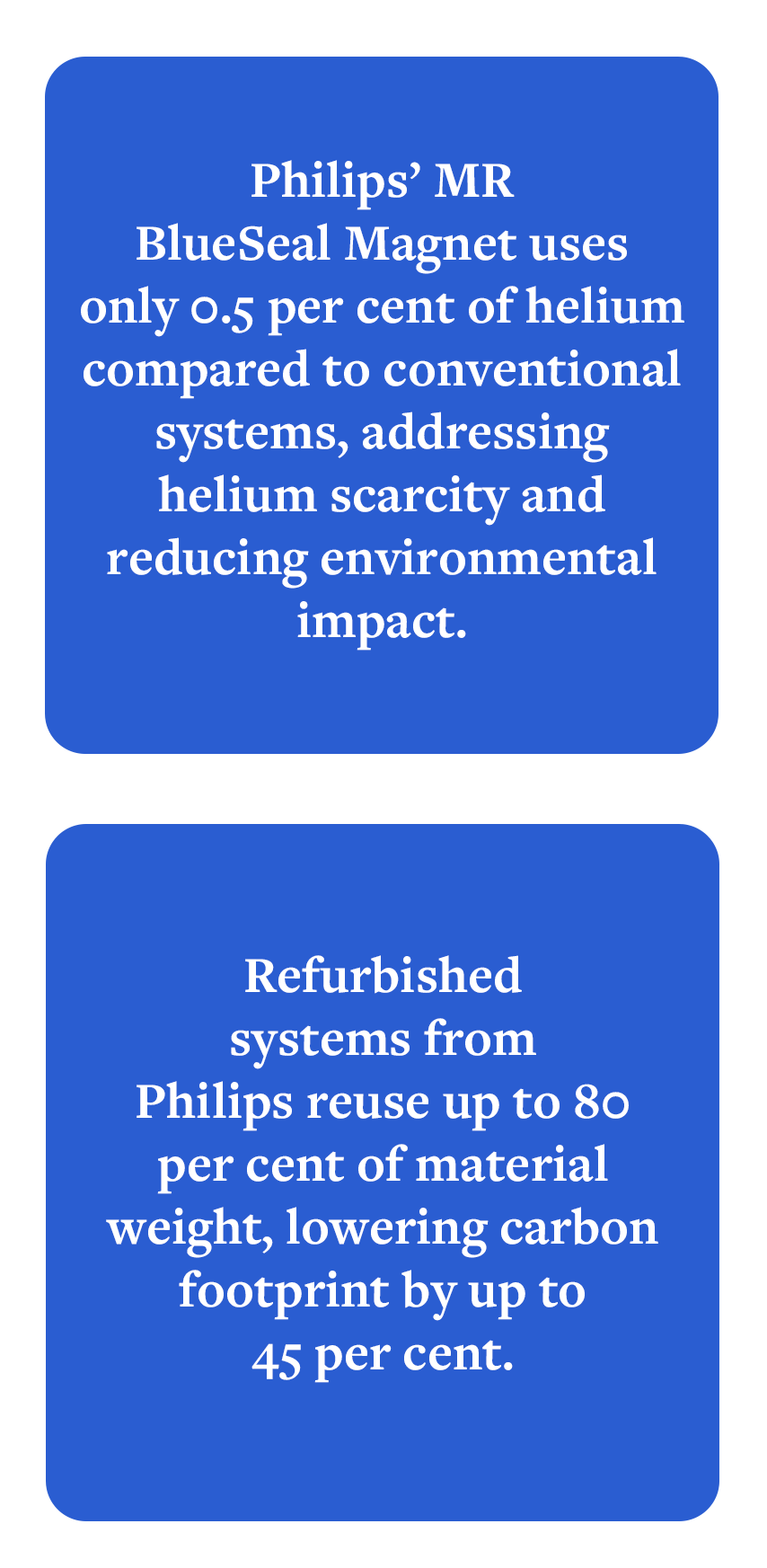


Philips achieved 100 per cent carbon-neutral operations in 2020, with 94 per cent of operational waste recirculated and all sites powered by renewable electricity.
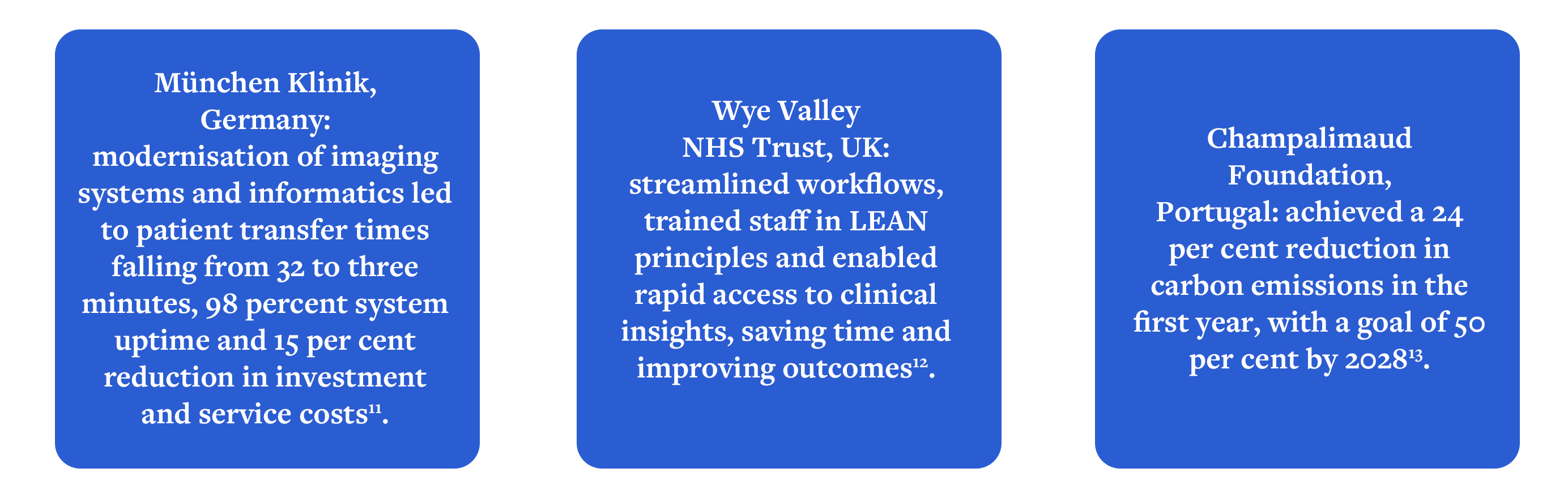
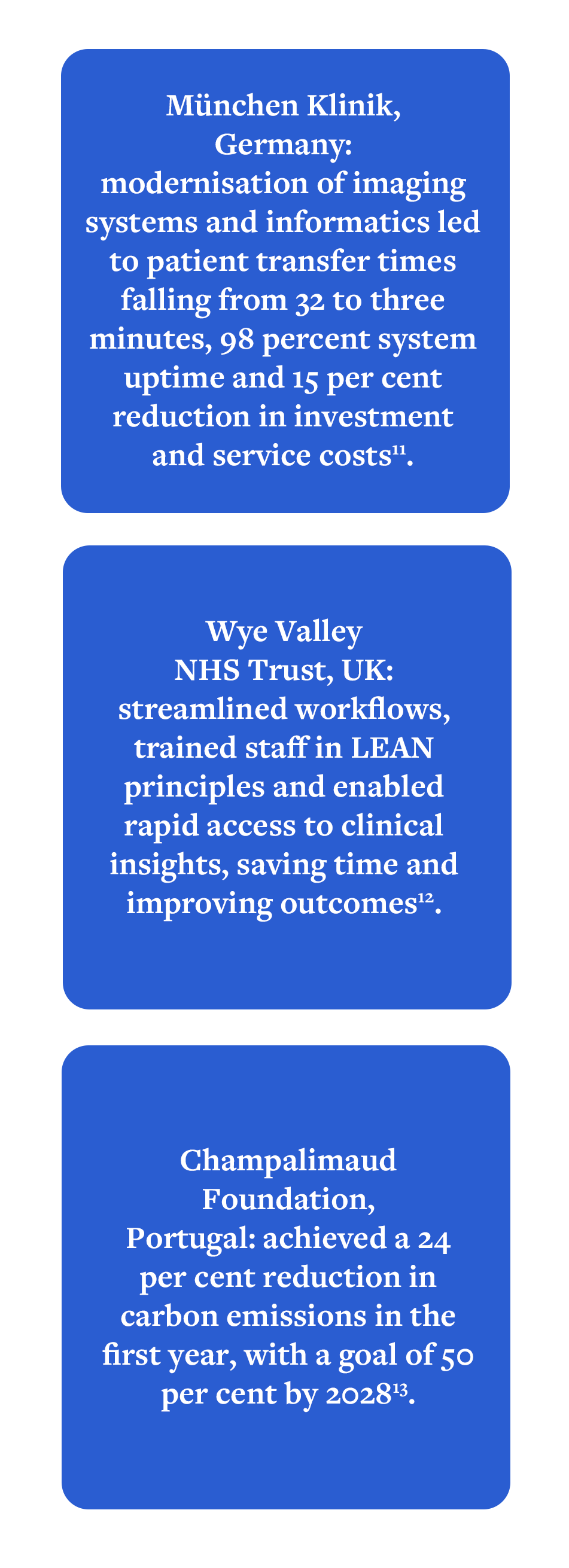
Philips’ partnerships, such as with the Champalimaud Foundation in Portugal, have delivered significant reductions in carbon emissions and operational costs. In the first year of the partnership, Champalimaud achieved a 24 per cent reduction in carbon emissions, with a goal of 50 per cent by 202810.
Philips also offers innovative financial solutions, consultancy and technology management to help hospitals grow, optimise workflows and lead the way in innovation. By focusing on sustainability, Philips helps hospitals future-proof their operations and build a reputation for protecting the environment.
Partnering for long-term success
Philips works closely with hospitals to find solutions, transform workflows and prepare for the future. Philips approach is collaborative, people-centric and uses clinical expertise. Whether it’s updating imaging systems, training staff or embedding sustainability, Philips is committed to helping radiology teams deliver better care for more people.
Case studies from around the world illustrate the impact of Philips’ partnership approach:


Philips’ commitment to innovation, collaboration and sustainability is reflected in its ongoing investment in research, development and partnerships. By working closely with hospitals, Philips ensures that solutions are tailored to the unique needs of each organisation, driving improvements in efficiency, quality, staff and patient experience.
Radiology faces big challenges, but also new chances to improve. By using advanced technology and AI, and focusing on sustainability, hospitals can care for more patients, support their staff and help the environment. Philips helps radiology teams handle today’s problems and get ready for the future by working together, bringing new ideas and supporting better care for everyone.
References
1.https://committees.parliament.uk/writtenevidence/120672/pdf/
2. 2023 RCR Workforce Census and 2020 Census
3 Health Workforce statistics database
5. Orchestrating radiologist workflow - Philips
7. AI, workflow take center stage for Philips at ECR |
8. https://www.philips.co.uk/healthcare/technology/mri-patient-staff-experience
9. Health care climate footprint report | Health Care Without Harm - Global
11. München Klinik adds new imaging innovation - Philips
12. philips_wye_valley_case_study.pdf
© 2025 Koninklijke Philips N.V.(Nederland) All rights reserved.
Trademarks are the property of Koninklijke Philips N.V. or their respective owners.
733901 NOV 2025
Image credit: Getty Images
See more content from Philips