

Probe care 101: where equipment care meets patient safety
Nanosonics sets out how good probe care supports patient safety, protects image quality and helps equipment last longer



Sponsored article by Nanosonics
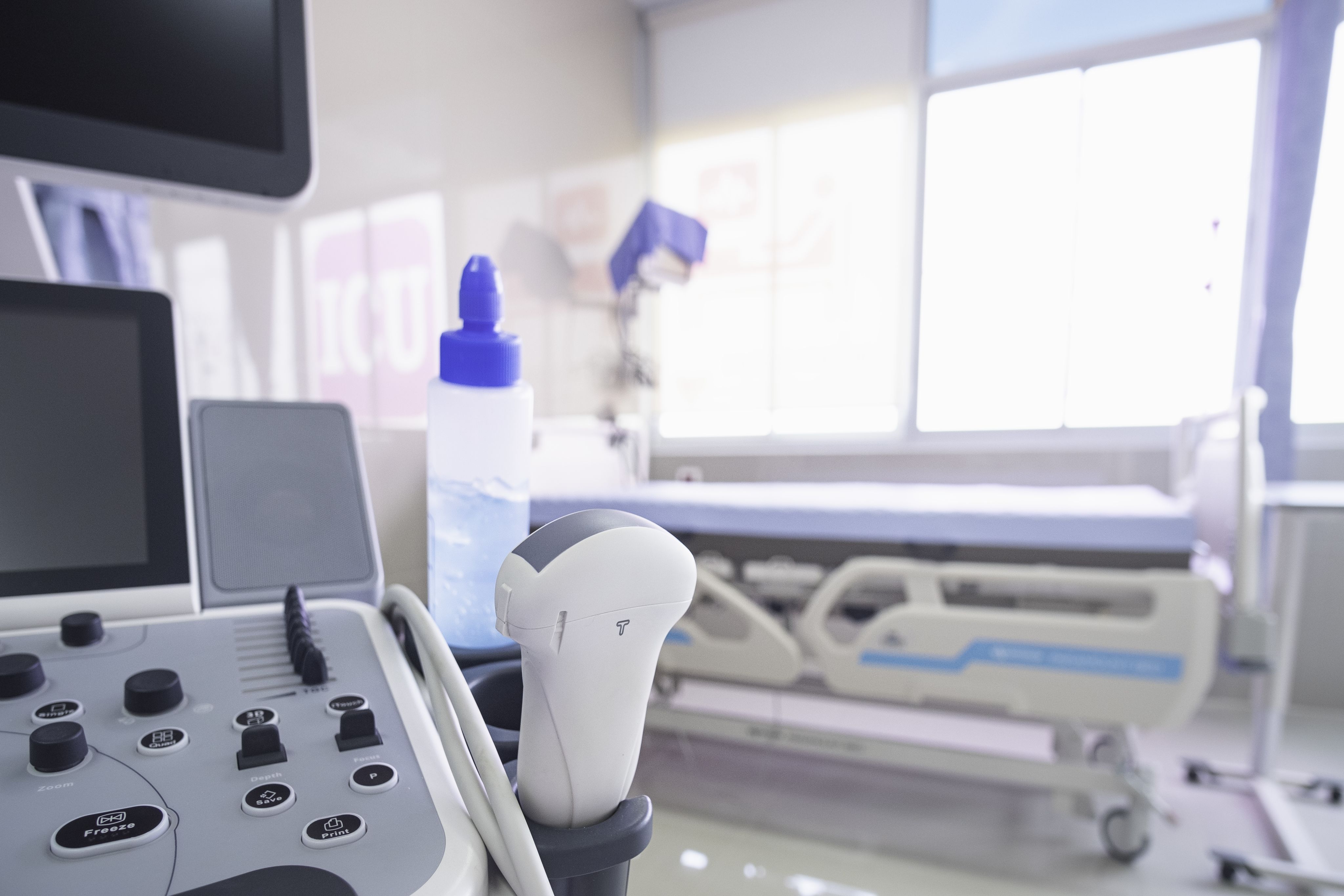
Ultrasound probes play a huge role in everyday imaging and radiography. They are our direct point of contact with patients, quietly supporting diagnosis, guiding procedures, and helping us deliver safe and effective care.
Because we rely on them so heavily, how we look after probes matters. Good probe care supports patient safety, protects image quality, and helps equipment last longer. Poor or inappropriate care can lead to damage, unreliable cleaning, and increased risk for patients.
In this article, we examine why probe care is important and why selecting the right wipes for the cleaning step in reprocessing is just as crucial as the cleaning itself.
Why probe care matters
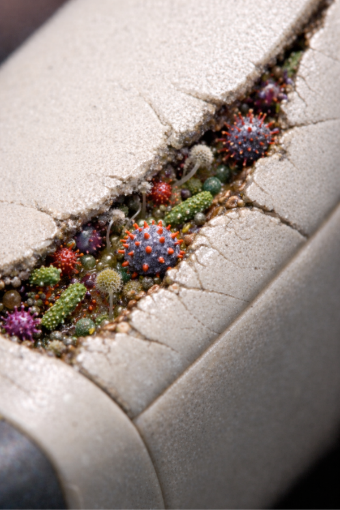
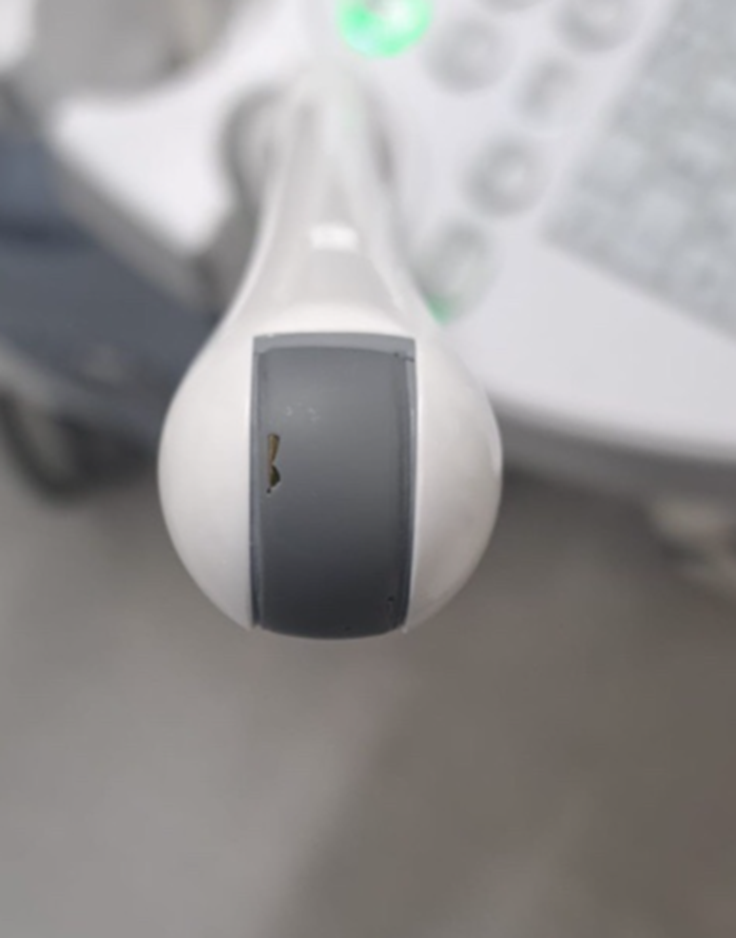
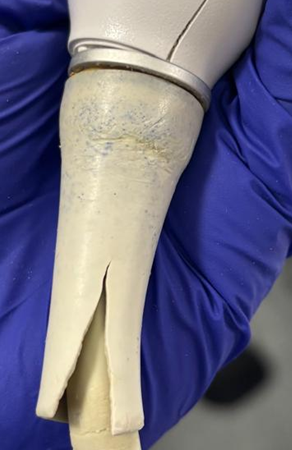
Small signs of damage are easy to miss. A fine crack or slight change in texture might not immediately affect a scan, and evidence shows that probe damage is more common than many departments realise. Small cracks on the probe surface may pose a reprocessing risk and, therefore, a health risk to patients. Surveys and quality assurance studies have found fault rates of up to one-third of probes in clinical use, with many issues going unnoticed during routine scanning.
Damage to a probe is not just cosmetic; it can be detrimental to its function. Cracks, rough surfaces, and degraded materials can make cleaning and disinfection less reliable. Evidence shows that these defects can create areas where microorganisms may persist despite routine cleaning.
In some cases, material damage can also allow moisture to enter the probe, increasing the risk of internal faults and image artefacts. From both an infection prevention and clinical governance perspective, damaged probes should be taken seriously.

When cleaning causes damage
Cleaning and disinfection are essential, but not all wipes and disinfectants are suitable for all probes. Some products contain chemicals that can gradually affect the plastics and materials used in probe cables and housings.
Over time, repeated use of incompatible wipes has been linked to:
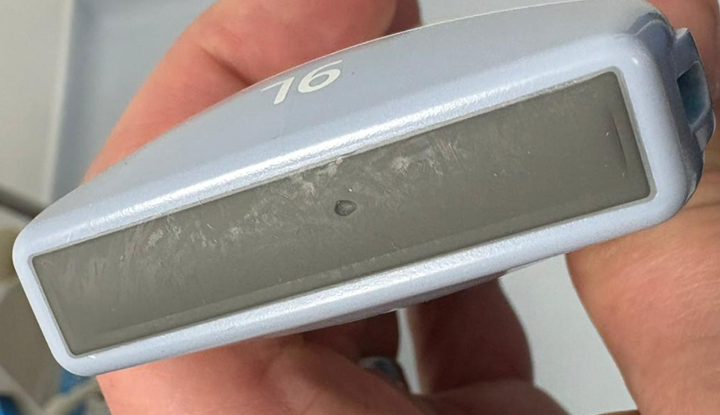
- surface cracking or fine crazing
- softening or swelling of plastics
- changes in texture that make surfaces harder to clean
- residue build-up that does not wipe away easily
- This kind of damage often develops slowly, making it easy to overlook.



Follow the manufacturer’s guidance
Probe manufacturers conduct material compatibility testing of their equipment with specific cleaning and disinfection products to make sure materials remain safe over time. Using wipes listed in the manufacturer’s instructions for use helps protect probe surfaces and maintain effective cleaning.
Relying on a single wipe for all equipment, or using general surface wipes on probes, may seem convenient, but can increase the risk of damage. Manufacturer guidance exists to help departments avoid these problems and should always be followed.
Making cleaning and disinfection work for you
Good probe care does not need to be complicated. A few simple habits can make a real difference:
1. Remove gel and visible contamination before disinfection.
2. Use only wipes approved for the specific probe.
3. Allow the recommended contact time to do its job when using wipes for low-level disinfection.
4. Avoid excessive pressure when wiping.
5. Make sure probes are dry before storage or reuse. Rough or aggressive wiping of probes does not make probes safer and can increase the risk of long-term damage.
What does Nanosonics recommend?
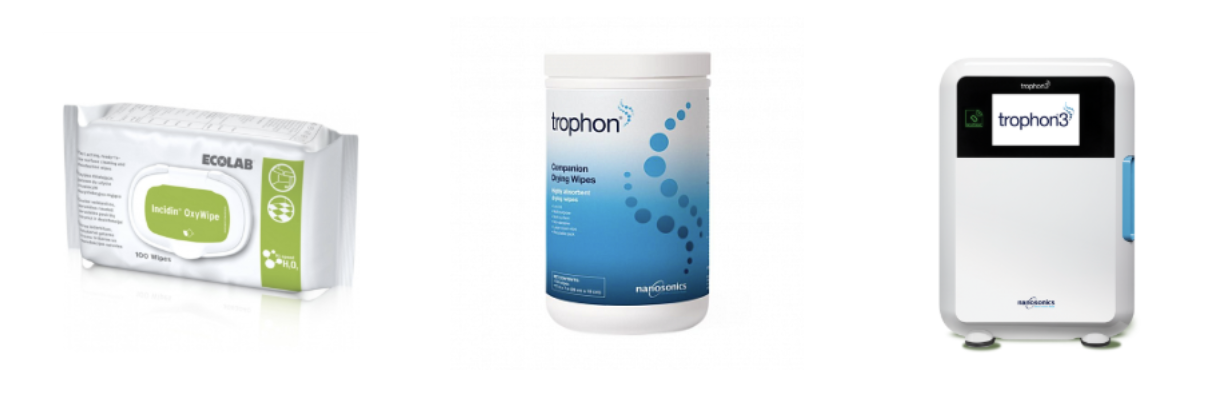
Following rigorous testing, Nanosonics recommends ECOLAB’s Incidin™ OxyWipe NG for pre-cleaning, drying with a Nanosonics Companion Drying wipe, and subsequent automated high-level disinfection using the trophon device.

Get to know your probes
Regular visual checks are an important part of everyday practice. Take a moment to look and feel for:
- fine cracks or cloudy areas
- sticky or softened surfaces
- lifting seams or edges
- residue that does not clean away
Reporting early signs of damage helps prevent larger problems and supports patient safety.
A shared responsibility
Probe care works best when everyone is on the same page. Clear guidance, access to approved products, and ongoing education all help make safe practice the norm.
Time pressure and busy lists are a reality in imaging & radiography. When systems support staff with the right information and products, it becomes much easier to do the right thing every time.
Key takeaways
- Probe damage is more common than it appears.
- Incompatible wipes can damage probe materials over time.
- Damaged surfaces are harder to disinfect effectively.
- Manufacturer guidance helps protect both probes and patients.
- Routine inspection supports safer practice.
Final thoughts
Looking after probes is about more than protecting equipment. It is about protecting patients and maintaining confidence in the care we provide. Choosing the right wipes, following guidance, and spotting early signs of damage are small actions that make a meaningful difference. In busy clinical environments, those small details really do matter.
If you’d like to learn more about high-level disinfection, probe care, or would like an independent review of your facility's clinical workflow and HLD process, click here to get in touch.