



Three top tips to getting ahead in your radiography career, from an employment expert
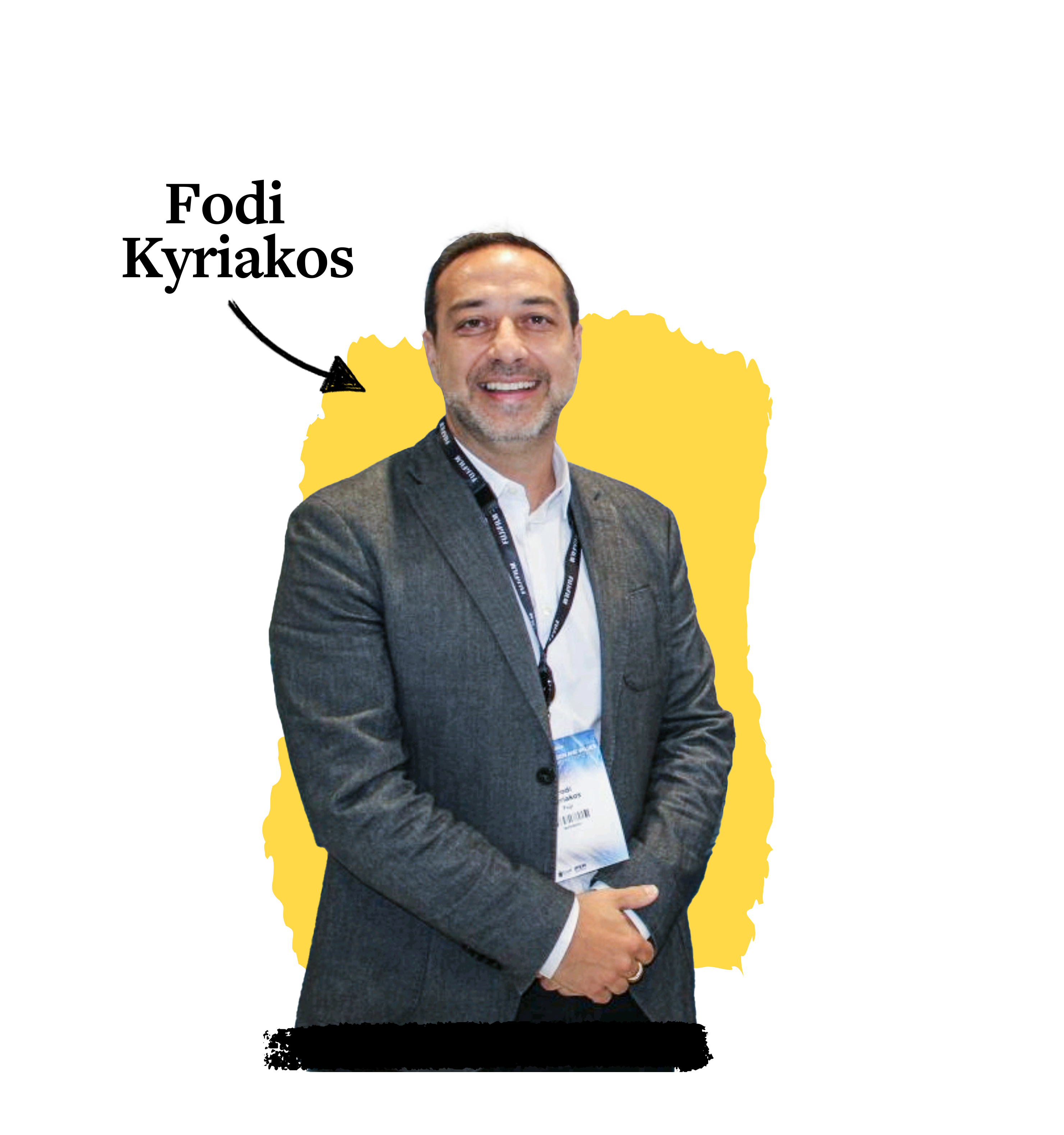
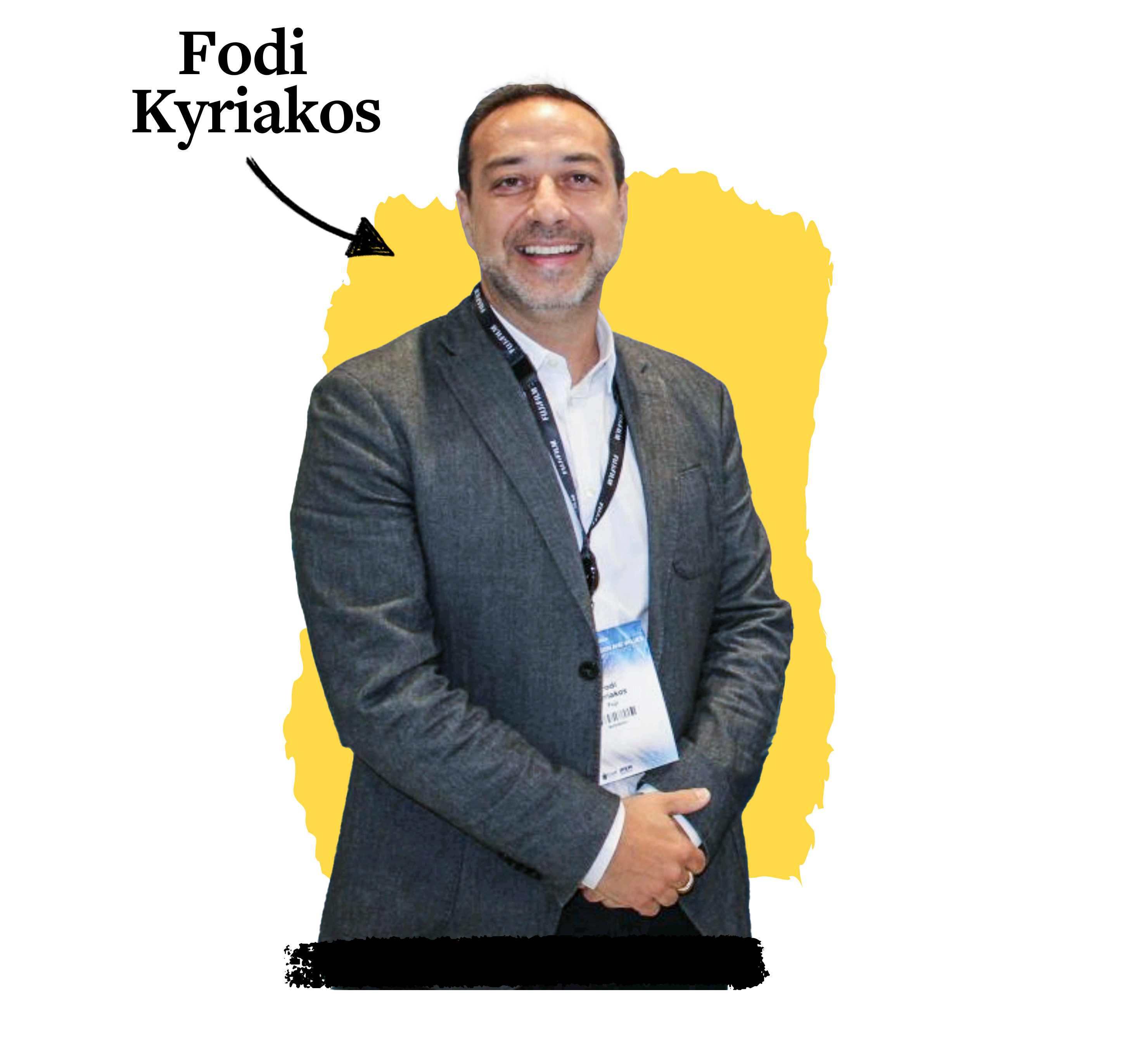
Fodi Kyriakos is a radiography workforce specialist and founder of the Skilled Personnel Network and L&D Companion. Here he shares employment tips for new professionals from his 25 years in the sector



Starting a career in radiography is exciting, but like any career move, it can also feel daunting.
Students approaching qualification often find themselves asking the same questions: Will I find a job? What are employers really looking for? How do I stand out when everyone has similar qualifications? How quickly can I progress?
Last year, I delivered three webinars focused on employability, recruitment, and early career development for radiography professionals. Across all three sessions, the same themes kept emerging. Students wanted practical guidance about the recruitment process, advice they could act on immediately, and reassurance that their choice of studies had a bright future. Above all, I wanted to reassure them that they did not need to have everything figured out from day one.


Below are my top three tips for staying ahead in your future radiography career.

Starting a career in radiography is exciting, but like any career move, it can also feel daunting.
Students approaching qualification often find themselves asking the same questions: Will I find a job? What are employers really looking for? How do I stand out when everyone has similar qualifications? How quickly can I progress?
Last year, I delivered three webinars focused on employability, recruitment, and early career development for radiography professionals. Across all three sessions, the same themes kept emerging. Students wanted practical guidance about the recruitment process, advice they could act on immediately, and reassurance that their choice of studies had a bright future. Above all, I wanted to reassure them that they did not need to have everything figured out from day one.
Below are my top three tips for staying ahead in your future radiography career.



For many students, it is often thought that the professional journey starts when job-hunting begins. In reality, it starts much earlier.
Your professional identity is shaped by how you behave during your studies, how you interact with patients and colleagues on placement, how you respond to feedback, and your natural curiosity to understand and learn more about radiography.
Radiography is a profession that requires strong technical skills, and these are essential. However, over the years, I have come to realise that those with a positive and proactive, can-do attitude are far more likely to shape their career paths than those who rely on technical ability alone. Don’t delay in building your professional identity.
Why this matters:
Your reputation begins forming long before your first application or interview. A strong professional identity opens doors quietly but powerfully.

I set up the Skilled Personnel Network and the L&D Companion specifically to help radiographers at all levels, including students, access platforms where they can amplify their voice.
I cannot stress enough how much professional social media platforms, such as LinkedIn, have helped build my own professional profile. My only regret is allowing a dose of imposter syndrome to prevent me from maximising my potential earlier in my career.
Creating your profile is a starting point, but I encourage you to build your network, comment on posts, and share your own posts on thoughts, experiences and reflections.
What should you post about? Within reason, almost anything. Avoid obvious conflict and contentious topics - you’ll know what they are - but beyond that, posts about the profession, learning experiences, and personal reflections all help shape your personal brand and set you apart from others.
Why this matters:
Understanding the value of your personal brand early in your career builds confidence. Combine that with a can-do attitude and you have a powerful foundation. Early careers can feel vulnerable, especially around those with more experience, so developing confidence early helps you build resilience during challenging working days, and we all have them.

Students often place huge pressure on securing the “perfect” first role. This can be a red herring. Your first job is a starting block that builds your foundations, but it is not your final destination point.
Many radiographers did not start off in their preferred modality or role, and in some cases, it may not even have been on their radar during their student years. What matters most is learning your craft.
Rather than focusing on how quickly you can climb up the bandings and career ladder, focus on understanding the future direction of the radiography profession and what part you can play in shaping it. Consider what thought leadership could look like for you and start building meaningful career milestones.
I recently met a radiographer practice educator whose role is to support, teach, and mentor students and qualified radiographers across departments, ensuring safe practice and access to skill and role development. They act as the link between academic learning and real-world patient care. When I asked whether they ever imagined doing this role as a student, the answer was simple: never. This is a perfect example that radiography careers can have many exciting pivots.
Why this matters:
Radiographers sit at the epicentre of an imminent digital healthcare revolution. You will be the first generation to witness the true impact of artificial intelligence in practice. Just as previous generations adapted from wet rooms to film-screen and then to PACS, you have an opportunity to become subject-matter experts by taking an interest in where radiography is heading next.

Final thoughts
My overarching piece of advice is to take control of your career journey as early as possible, and this includes your student years. Stay up to date with developments in the profession. Your careers advisors are important guides, but ultimately it is your responsibility to take that journey forward.
Adopt a CPD mindset early. Attend webinars and professional events, engage with professional networks, and listen to a range of voices within the profession. Students who supplement formal education with wider engagement will feel more confident and stand out.
Seek careers coaching conversations and mentors. Building a network can significantly influence the opportunities that come your way. Remember, CPD can be found daily in practical experiences. Keep a record of these moments, reflection, evaluation, and evidence of impact are what truly define your CPD portfolio.

Finally, focus on developing life skills early: communication, emotional intelligence, resilience, and teamwork. Have the confidence to remember that everyone has had a “first time”. Actively work on handling difficult conversations, managing time, setting professional boundaries, and simply improving on what you did yesterday.
These are your differentiators, and they will lead to a sustainable, adaptable, and fulfilling career in radiography.
As you move through your studies and into your early career, be curious, visible, and proactive. Ask questions, seek out conversations with thought leaders in healthcare, and look beyond what is simply required of you. Start building good professional habits now, stay engaged with the direction of the profession, take ownership of your journey and help make the future of radiography be shaped by those who choose to step forward from within it.
Image credit:
Getty Images

Read more