
Challenges, accomplishments and the future of radiography: the SoR reflects on 2025 and looks to the year ahead
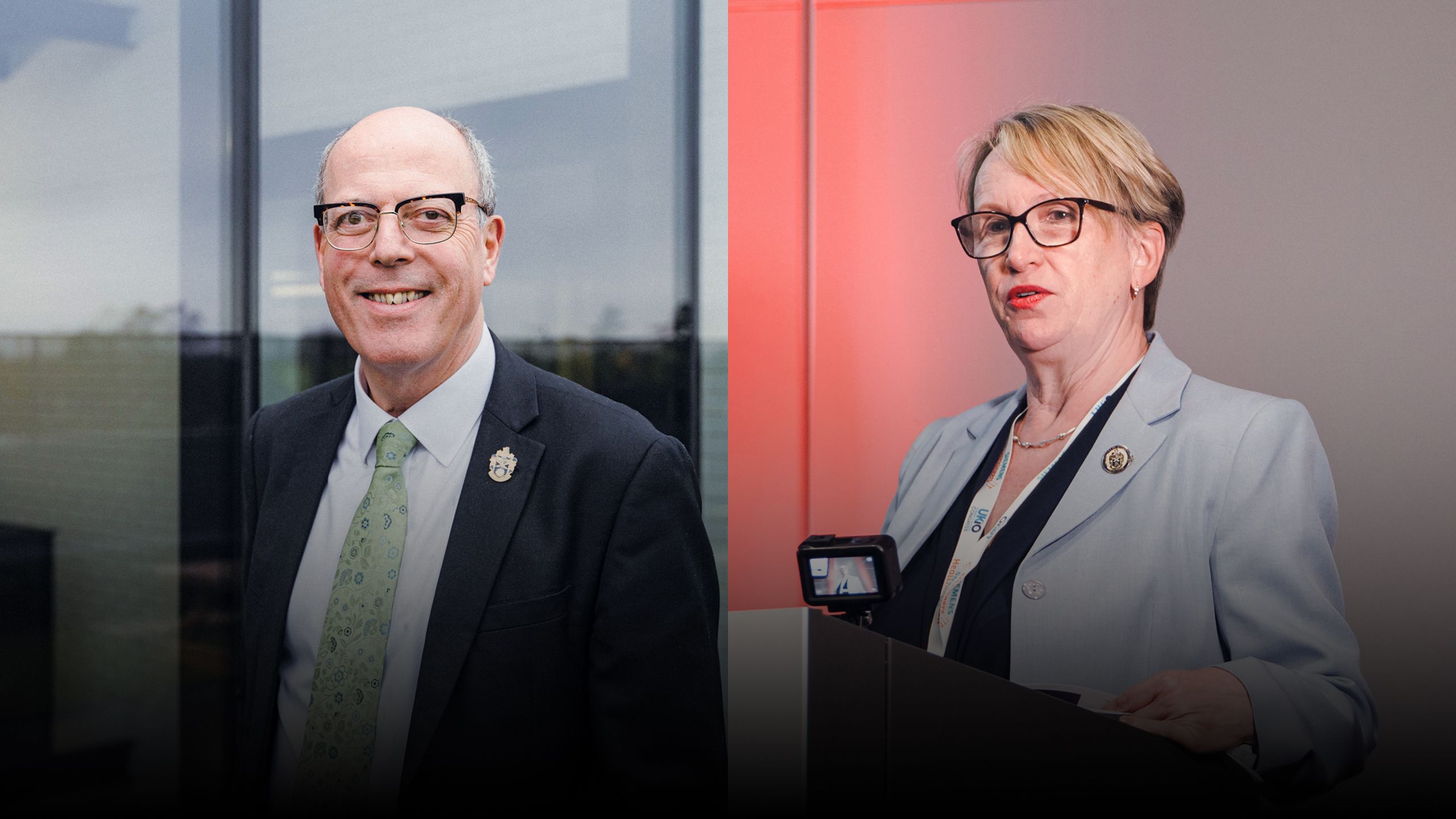
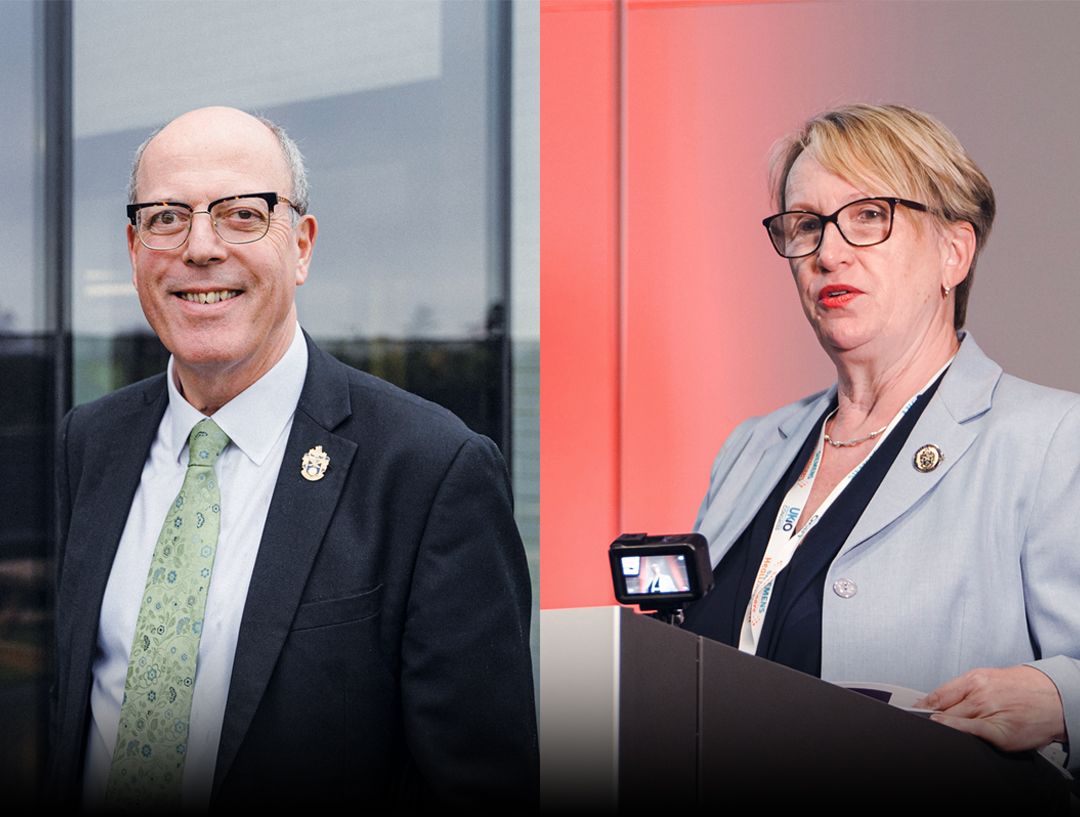
Richard Evans, CEO of the SoR, and Charlotte Beardmore, executive director of professional policy, share a retrospective on the past year and their vision of what the society hopes to achieve in 2026


Challenges, accomplishments and the future of radiography: the SoR reflects on 2025 and looks to the year ahead
Richard Evans, CEO of the SoR, and Charlotte Beardmore, executive director of professional policy, share a retrospective on the past year and their vision of what the society hopes to achieve in 2026
Throughout 2025, the SoR has worked towards the interests of the membership and the profession as a whole through lobbying, workforce development, strategic initiatives and more.
Support for research, recognition of the role of radiographers and departments struggling with high vacancy rates have been priorities, and much progress has been made on all of the SoR’s ambitions. Despite the challenges that cropped up, these efforts have seen real, tangible results – but more is yet to be done.
As 2025 draws to a close, Richard Evans and Charlotte Beardmore – CEO and executive director of professional policy, respectively – share their perspectives on the year behind, and look to 2026 for what’s next for the profession.
Richard Evans
CEO


This was the first full year of work at the society and the college under our current strategic plans. This may not sound all that exciting, but the organisations’ shared priorities of membership, workforce, the future of our profession and better patient service have seemed to strike a chord with our members.
We want every member of the SoR to understand the range of benefits we offer. The new reduced joining subscription for any radiographer within the first two years after qualification emphasises that these benefits are excellent value for money.
As our work is both professional and trade union-focused, the SoR is uniquely competitive and, of course, focused on representing the entire non-medical workforce in diagnostic imaging and radiotherapy.
The importance of radiography
We know that our strength and influence depend on membership, so we have conducted research on what members value and how to attract more people to join the SoR.
The context for our members’ work, whether in the NHS or the independent sector, has been about extreme pressure throughout the year. Most departments are experiencing a perfect storm of rising demand for services at the same time as high vacancy rates. NHS trusts restricting spending has had a knock-on effect in the independent sector and resulted in vacancy freezes, which have further depleted the available workforce.
Making the case to reverse these trends and to see increases in all parts of the radiography workforce has been a major area of focus for our work in 2025.
The consultations around the NHS in England’s 10-year plan have provided a good forum for us to re-emphasise the centrality of radiography to healthcare and particularly if the Westminster government is to achieve its aspirations for modernising the way the NHS operates.
The SoR has been strongly represented at government level in all four countries of the UK.
The value of our members’ voices
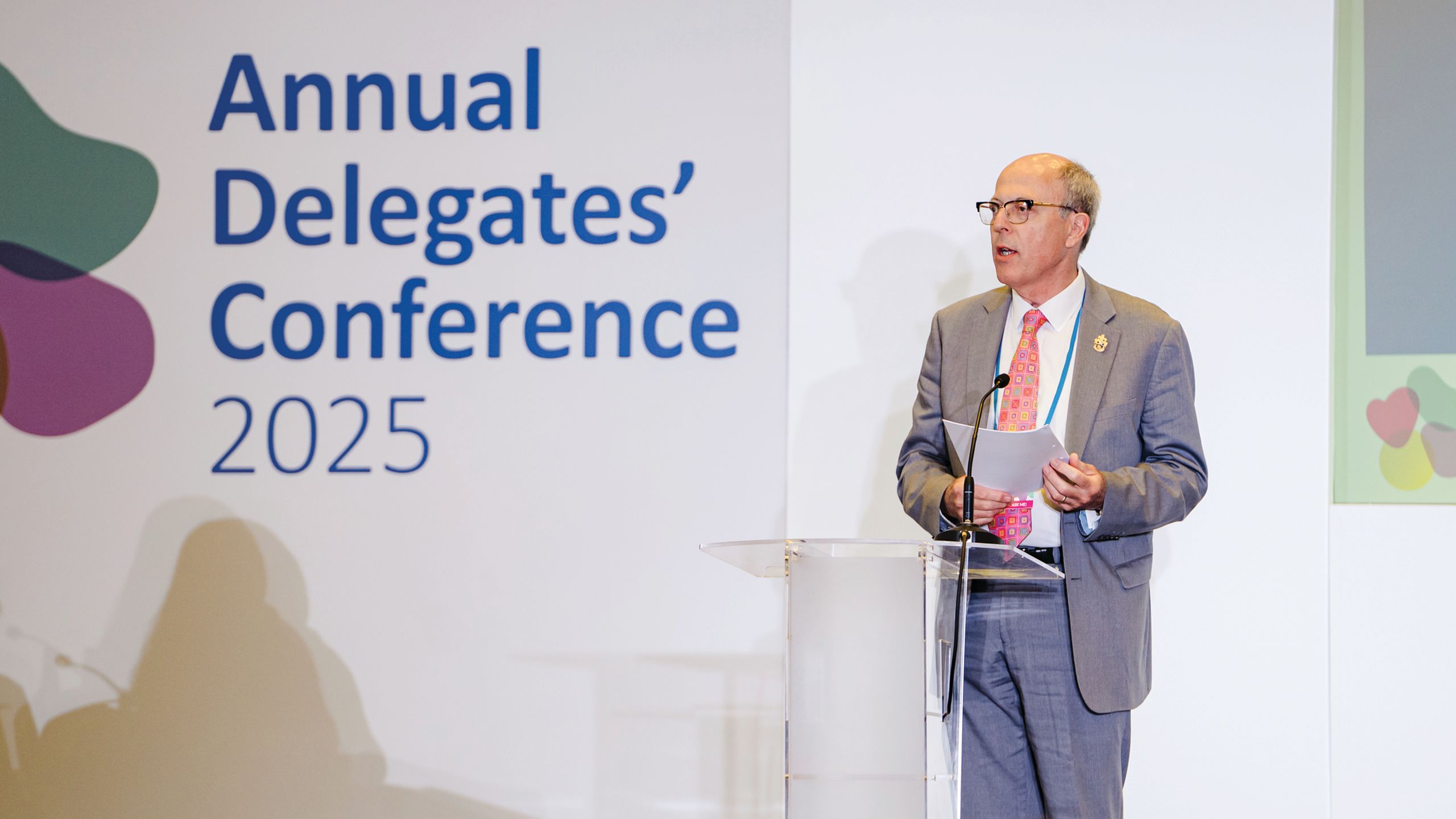
The Annual Delegates Conference in April was the biggest ever and saw the debate of a very large number of proposals from members. This conference is always a highlight as it is where members can shape the priorities and policies of the society. It is a privilege to meet and discuss with so many enthusiastic and motivated SoR members.
Opportunities to meet face to face are particularly precious and other highlights where this has been seen to great effect have included:
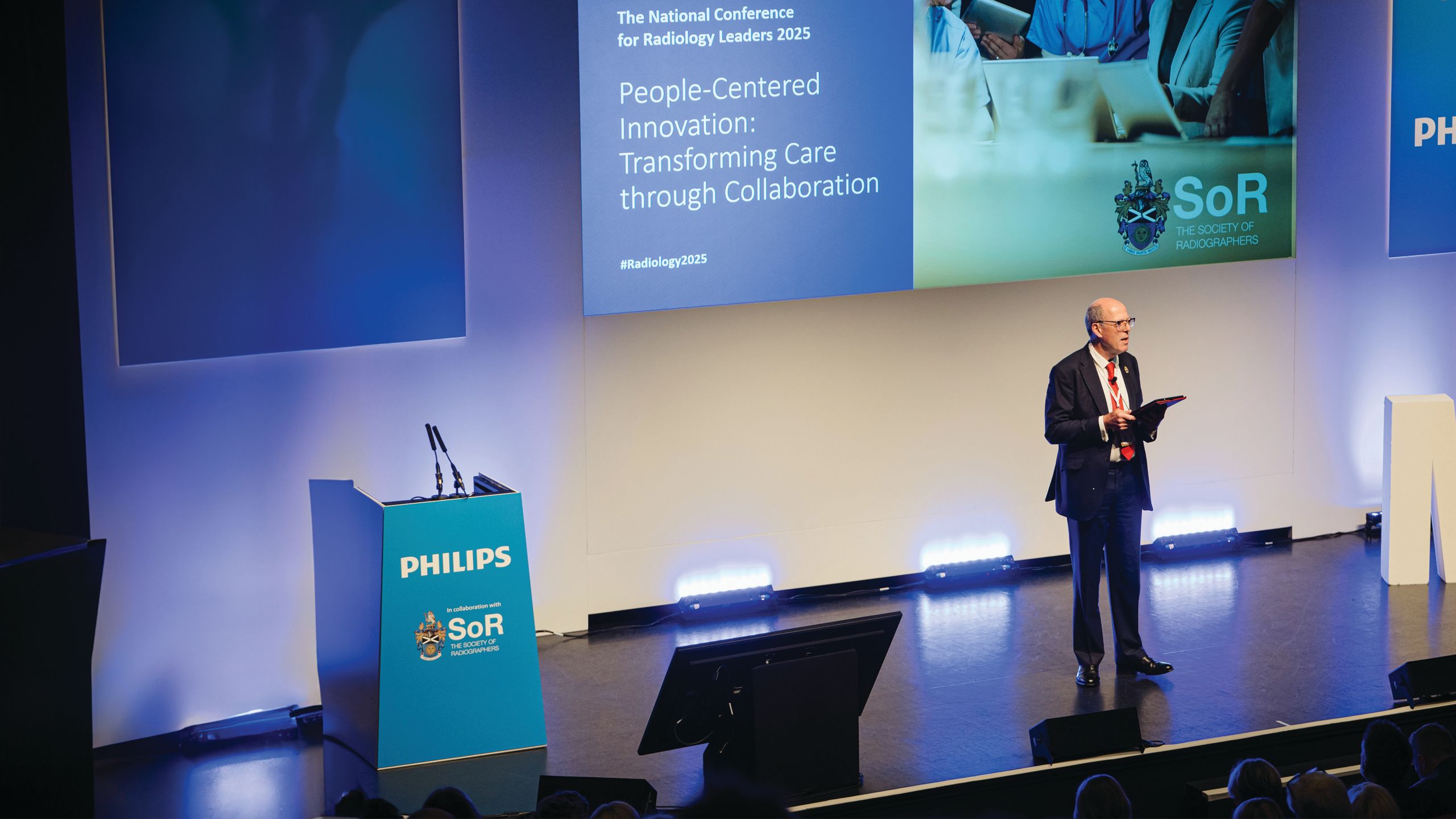
- The National Conference for Radiology Leaders
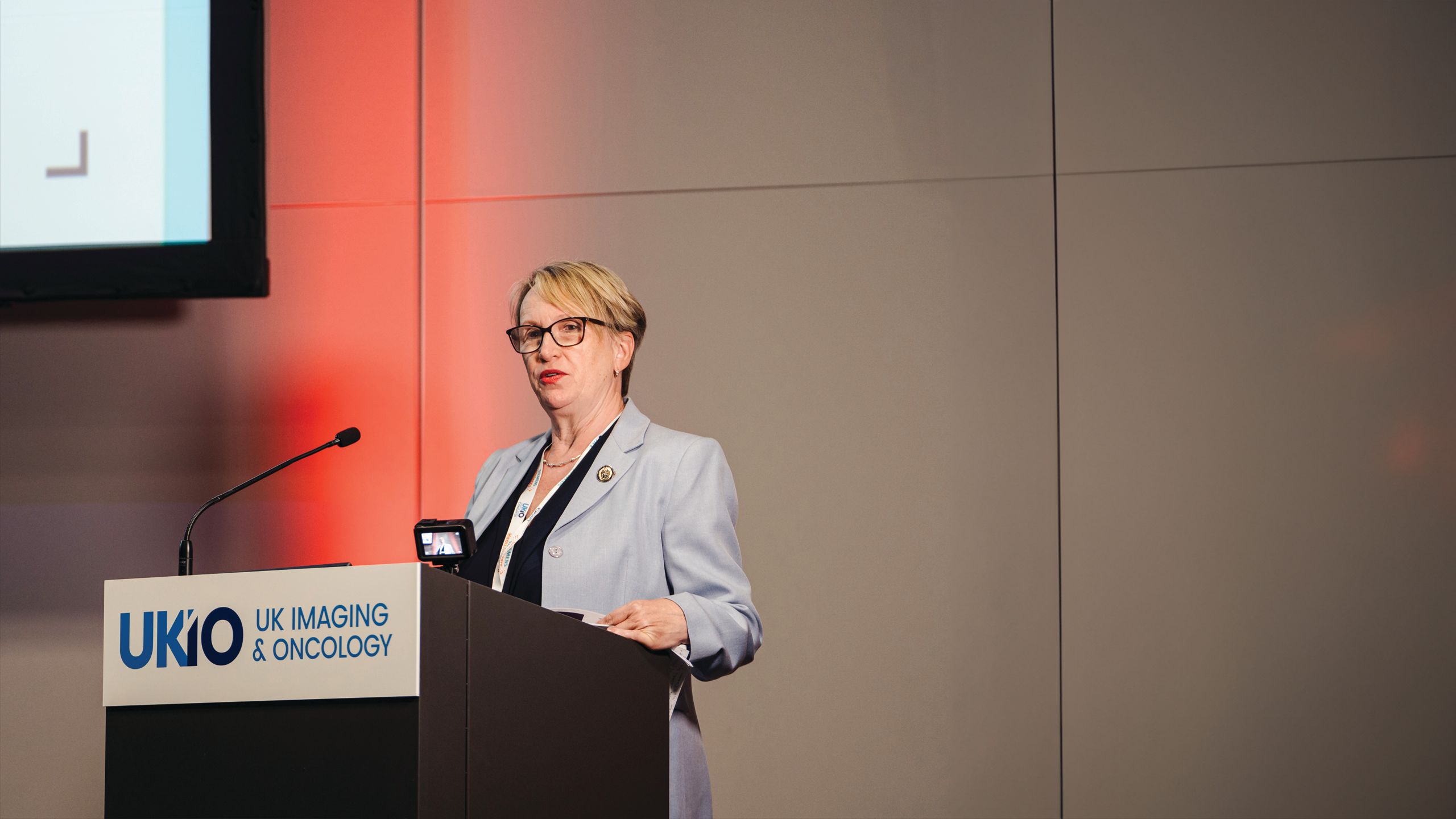
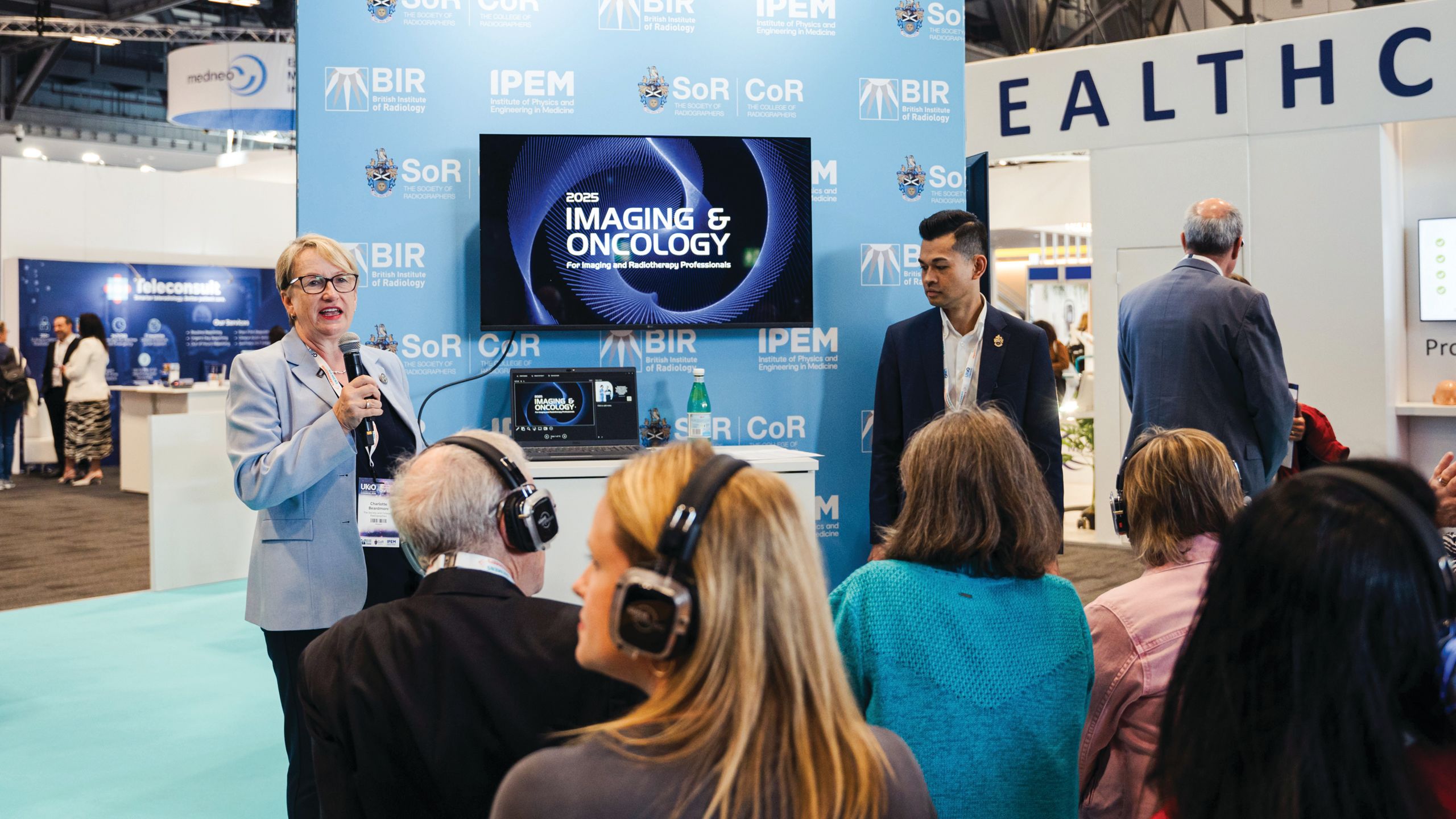
- The UK Imaging and Oncology Congress
- Regional study days across the UK
I think we have learned the value of our members’ voices, not only in shaping the activities of the SoR as a whole but also in increasing our membership and influence. The life of the society is not something that happens in our head office in London. The SoR is alive and influential wherever our members discuss and work together to raise our profile, grow our membership and seek to make a difference for our patients.
‘A strong future’
This year will see some significant change for the SoR and the CoR as I am stepping down from my role as CEO after 22 years. I will be working to ensure that the organisations are handed on to my successor efficiently and comprehensively and that we manage to maintain all of the pace and momentum in our activities that we have built up.
I would particularly like to see a sustained rise in our membership numbers based on people valuing and staying in established membership, as well as increasing recruitment of new members.
“In the coming year, I think we need to develop and communicate our ideas about how radiographers will remain the cornerstone of service provision in healthcare”
I believe that radiography has a strong future alongside the ever-expanding capabilities of technology, particularly AI. In the coming year, I think we need to develop and communicate our ideas about how radiographers will remain the cornerstone of service provision in healthcare and how we as a profession will develop as clinical experts making a difference to patient care for every person that we serve.
The major challenges will continue to be pressure on time and resources. Service expansion is inevitable and much needed but the growth in workforce will struggle to keep up. We need to encourage innovation to meet workforce demands and help to spread good practice. We also must continue to advocate for multidisciplinary team working, compassionate leadership that values wellbeing for healthcare workers and for the patient benefit to remain central to all that we do.


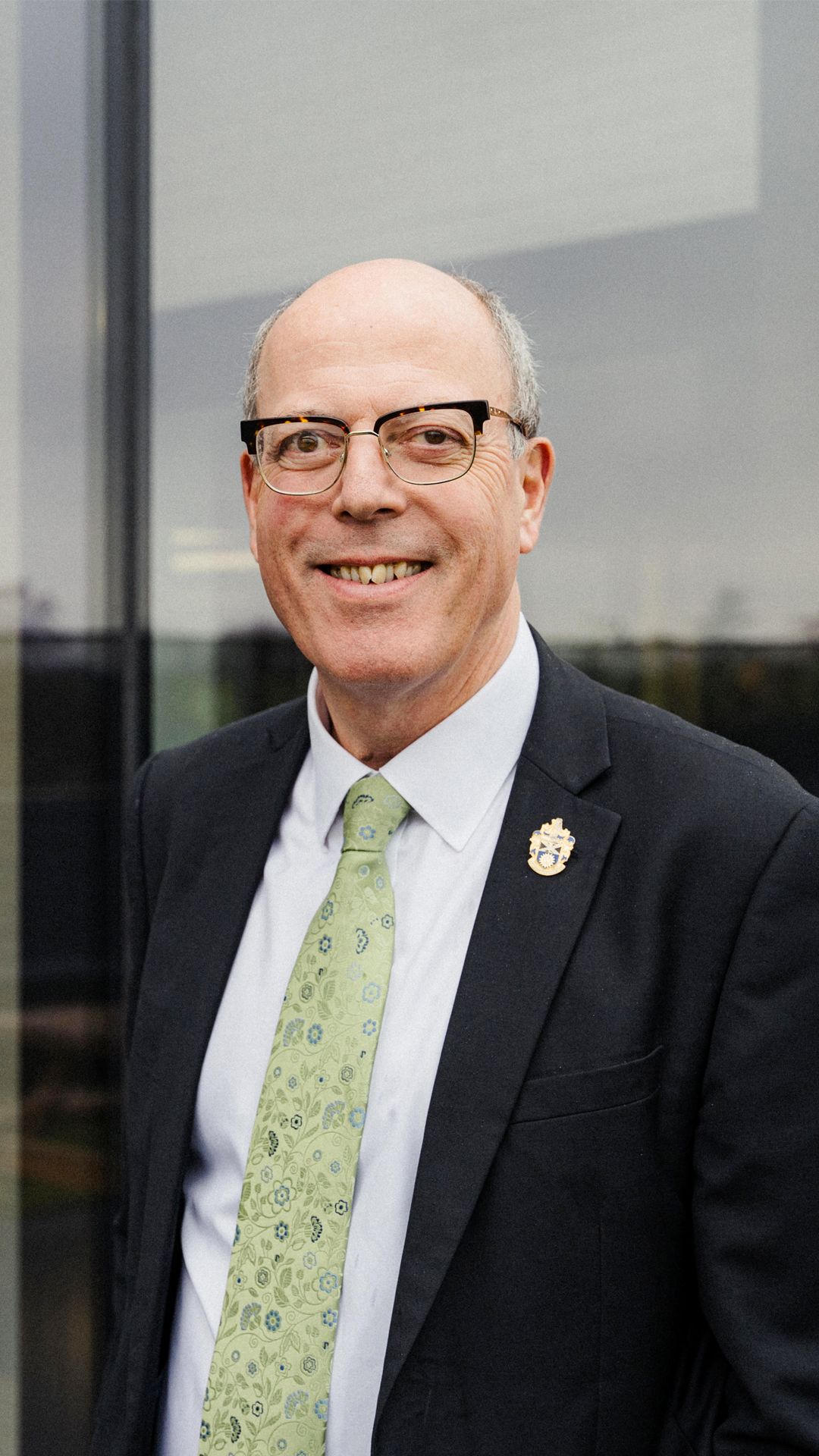


This was the first full year of work at the society and the college under our current strategic plans. This may not sound all that exciting, but the organisations’ shared priorities of membership, workforce, the future of our profession and better patient service have seemed to strike a chord with our members.
We want every member of the SoR to understand the range of benefits we offer. The new reduced joining subscription for any radiographer within the first two years after qualification emphasises that these benefits are excellent value for money.
As our work is both professional and trade union-focused, the SoR is uniquely competitive and, of course, focused on representing the entire non-medical workforce in diagnostic imaging and radiotherapy.
The importance of radiography
We know that our strength and influence depend on membership, so we have conducted research on what members value and how to attract more people to join the SoR.
The context for our members’ work, whether in the NHS or the independent sector, has been about extreme pressure throughout the year. Most departments are experiencing a perfect storm of rising demand for services at the same time as high vacancy rates. NHS trusts restricting spending has had a knock-on effect in the independent sector and resulted in vacancy freezes, which have further depleted the available workforce.
Making the case to reverse these trends and to see increases in all parts of the radiography workforce has been a major area of focus for our work in 2025.
The consultations around the NHS in England’s 10-year plan have provided a good forum for us to re-emphasise the centrality of radiography to healthcare and particularly if the Westminster government is to achieve its aspirations for modernising the way the NHS operates.
The SoR has been strongly represented at government level in all four countries of the UK.
The value of our members’ voices
The Annual Delegates Conference in April was the biggest ever and saw the debate of a very large number of proposals from members. This conference is always a highlight as it is where members can shape the priorities and policies of the society. It is a privilege to meet and discuss with so many enthusiastic and motivated SoR members.
Opportunities to meet face to face are particularly precious and other highlights where this has been seen to great effect have included:
- The National Conference for Radiology Leaders
- The UK Imaging and Oncology Congress
- Regional study days across the UK
I think we have learned the value of our members’ voices, not only in shaping the activities of the SoR as a whole but also in increasing our membership and influence. The life of the society is not something that happens in our head office in London. The SoR is alive and influential wherever our members discuss and work together to raise our profile, grow our membership and seek to make a difference for our patients.
‘A strong future’
This year will see some significant change for the SoR and the CoR as I am stepping down from my role as CEO after 22 years. I will be working to ensure that the organisations are handed on to my successor efficiently and comprehensively and that we manage to maintain all of the pace and momentum in our activities that we have built up.
I would particularly like to see a sustained rise in our membership numbers based on people valuing and staying in established membership, as well as increasing recruitment of new members.
“In the coming year, I think we need to develop and communicate our ideas about how radiographers will remain the cornerstone of service provision in healthcare”
I believe that radiography has a strong future alongside the ever-expanding capabilities of technology, particularly AI. In the coming year, I think we need to develop and communicate our ideas about how radiographers will remain the cornerstone of service provision in healthcare and how we as a profession will develop as clinical experts making a difference to patient care for every person that we serve.
The major challenges will continue to be pressure on time and resources. Service expansion is inevitable and much needed but the growth in workforce will struggle to keep up. We need to encourage innovation to meet workforce demands and help to spread good practice. We also must continue to advocate for multidisciplinary team working, compassionate leadership that values wellbeing for healthcare workers and for the patient benefit to remain central to all that we do.
Charlotte Beardmore
Executive director of professional policy
2025 was a positive year working with fantastic members, colleagues from across the multiprofessional workforce and beyond, our Patient Advisory Group and national stakeholder organisations.
There has been significant progress in professional policy development and the quality improvement scheme in partnership with the Royal College of Radiologists, in education, research and advocacy.
We are grateful to our members and patients for sharing their expertise, as well as their commitment to advisory groups and Special Interest Groups, and as programme assessors and members of boards and committees. Their input is vital in supporting the work of the organisation.
Governance and oversight
One of the most notable achievements has been the successful establishment and integration of the Quality Mark scheme, a joint initiative between the College of Radiographers and the Royal College of Radiologists. This programme supports imaging services in delivering safe, effective and patient-centred care through continuous improvement, underpinned by the Quality Standard for Imaging (QSI).
While the QSI has long provided a benchmark for service design and delivery, the introduction of the Quality Mark scheme represents a step-change in engagement. It enables services to demonstrate excellence through a rigorous peer review process, assessing compliance against QSI standards. The impact has been remarkable: 69 imaging services have joined the Quality Hub and 21 services have achieved Quality Mark accreditation, with nine more nearing completion.
Governance and oversight are provided by a dedicated Quality Mark Committee, which includes professional experts and lay representatives. The inclusion of patient and public perspectives ensures that the scheme remains inclusive and truly patient-centred.
Delivering the NHSE workforce project
The SoR has also successfully delivered the large-scale Workforce Training and Education programme, commissioned by NHS England.
Focusing on seven key workstreams, the project aimed to improve radiography education, workforce, development and patient care.
The seven core areas are:
- Creating the climate to maintain supply
- Support the workforce
- Preceptorship
- Educator workforce (academic and clinical)
- AHP careers
- Career development framework and pathways
- Additional areas of specific work
The seven workstreams were divided into 26 projects, each led by experts in their field. These included various professional officers from within the SoR and College of Radiographers (CoR), as well as external experts. Five projects were successfully delivered by radiography teams at Birmingham City, Bradford, Derby, Keele and Sheffield Hallam universities. Four projects were contracted to external consultants, and several included working with partner organisations.
The SoR believes this programme has significantly contributed to the advancement of radiography education and workforce development, and will continue to. The outcomes are expected to have a positive impact on patient care, staff retention and the overall quality of radiography services across the UK.
Resources created as a result of this programme are available here: https://www.sor.org/events-programme/nhs-professional-bodies-education-reform-contract.
Scientific excellence and thought leadership
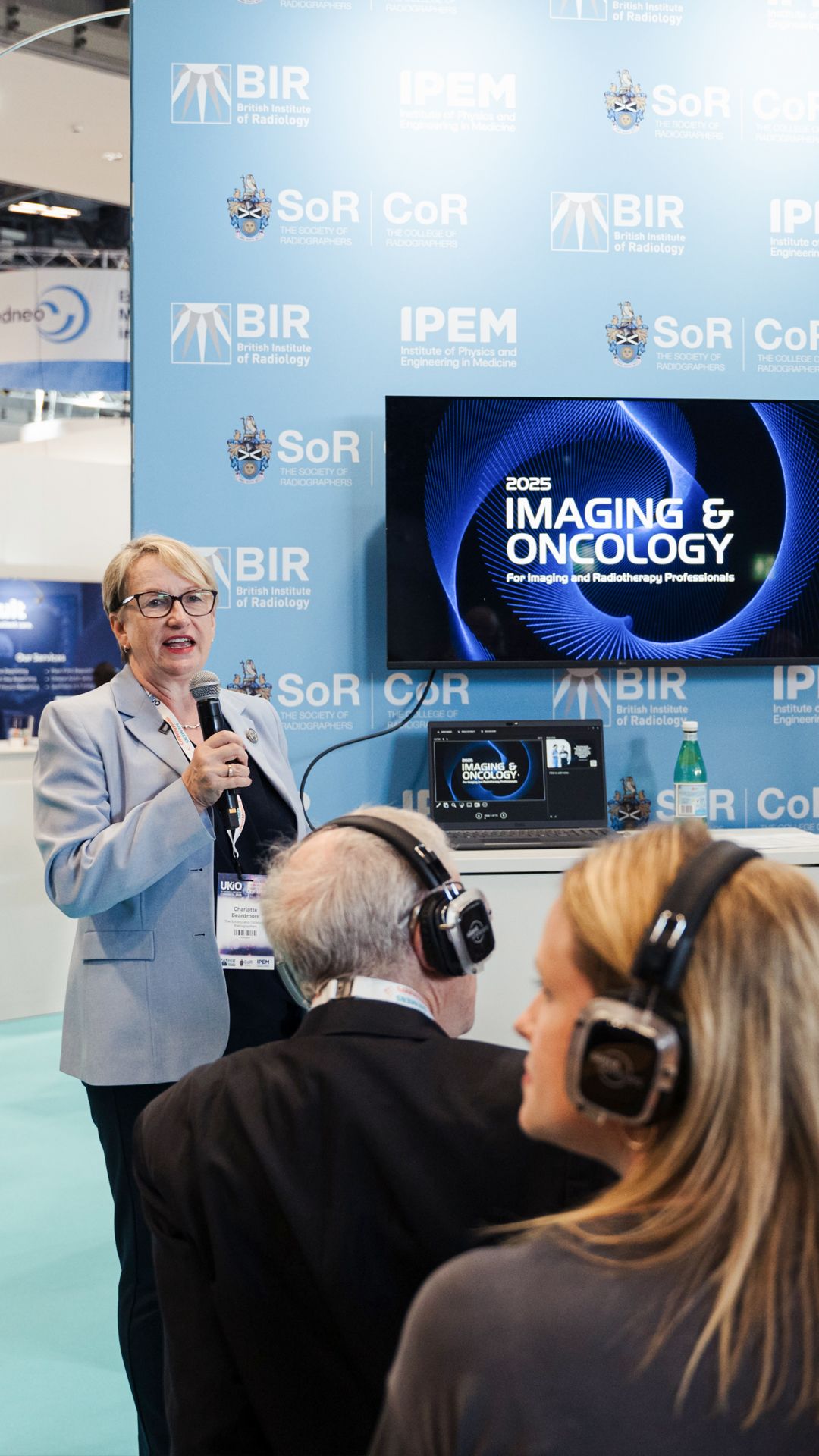
The UK Imaging and Oncology (UKIO) Congress 2025 was a standout event, showcasing scientific excellence and thought leadership. Among the highlights:
- Welbeck Memorial Lecture: Ben Roe challenged the profession with ‘Quality: Is it really everyone’s business?’ exploring shared responsibility for quality improvement.
- Martine Jackson Memorial Lecture: Dr Rachel Harris emphasised the importance of embedding patient voices in care and the role of qualitative research in shaping practice.
- Stanley Melville Memorial Lecture: Jill Griffin spotlighted radiographers’ pivotal role in osteoporosis services, addressing fragility fractures and innovations such as AI-assisted vertebral fracture detection.
Sessions such as ‘Amplifying the Patient Voice’ reinforced the profession’s commitment to equity and empathy. Patient advocates shared powerful narratives, reminding delegates that listening to lived experiences is essential for compassionate care.
Beyond UKIO, UK radiography voices were heard, and our focus on quality and career development together with the workforce challenges were showcased and discussed with a European audience.
The European Federation of Radiography Societies (EFRS) sponsored a session at the European Congress of Radiology, where the ‘EFRS met the UK’ in a jointly chaired programme led by Katie Thompson, SoR president, and the EFRS president, Dr Patrizia Cornacchione.
- Kathryn Williamson, CoR, showcased the UK Education and Career Framework with Mel Clarkson, from Sheffield Hallam University.
- Jason Elliot, Cardiff University, presented his doctoral research on radiographer burnout.
- Clare Simcock, Great Ormond Street, and Dr Kath Halliday, president of the RCR, spoke about supporting continuous quality improvement in imaging services in the UK.
At the Radiological Society of North America conference, the American Society of Radiological Technologists (ASRT) invited Rosie James to speak about her role as lead practitioner of the fracture liaison services at NHS Somerset, within the ASRT@RSNA programme in Chicago. Rosie spoke with passion about her commitment to this role and the development of services to support improved patient outcomes.
AI remained a key focus, with the SoR contributing to national workstreams on safe implementation and regulation. A visit to the Royal Surrey team demonstrated how AI tools, integrated with expert radiographer reporting, are improving diagnostic accuracy and patient outcomes.
The SoR’s international peer review journal, Radiography, achieved its first impact factor, which reflects the number of times articles published in the journal are cited by other researchers. Submissions to the journal and publications increased compared with 2024 – this is very encouraging, as the evidence base is essential to underpinning the profession and its practice.
“We are always striving to ensure the capability of the profession is understood, staying solution-focused with patients at the centre”
Human connection
Policy and educational achievements included the publication of our updated Code of Professional Conduct, Scope of Practice and advanced practice guidance, as well as the launch of the ninth edition of SoR/British Medical Ultrasound Society Guidelines for Professional Ultrasound Practice and development of resources to support the safe implementation of virtual support technologies, including participation in an NHS England-hosted webinar. The perspectives of our Patient Advisory Group in the development of this guidance and in discussions has been influential.
Expansion of the Education and Career Framework with 24 new case studies and mapping tools to support career progression at enhanced, advanced and consultant levels.
We have contributed to numerous national government consultations, meetings and discussions. We are always striving to ensure the capability of the profession is understood, staying solution-focused with patients at the centre, highlighting how radiographers have the expertise to lead and transform care and striving to ensure that all new national policies will support the safe and effective delivery of imaging and radiotherapy services.
Members are encouraged to continue supporting the ‘Hello, my name is…’ campaign, which has been reinvigorated this year by our president, Katie Thompson. This initiative, originally championed by Dr Kate Granger –a terminally-ill cancer patient – was born out of her experience of the absence of basic introductions from clinical staff.
The campaign serves as a powerful reminder of the importance of human connection in healthcare. We urge all professionals to introduce themselves by name and job title, reinforcing trust and compassion in every patient interaction.
“Together we are building a stronger, more resilient future”
The year ahead promises exciting developments. We look forward to UKIO 2026, which will once again provide a platform for innovation, collaboration and professional growth. A major highlight will be the launch of our Patient–Public–Practitioner Partnership Guidance, designed to strengthen engagement and embed patient voices at the heart of imaging and radiotherapy services.
Additionally, late 2026 and early 2027 will see the publication of an updated research strategy, offering a clear framework to support the profession and measure progress against defined objectives.
2025 has been a year of progress and collaboration for the SoR and its members. Despite ongoing challenges – such as workforce pressures and the need for continued advocacy – the profession has made significant strides in embedding quality standards, amplifying patient voices and embracing innovation.
Looking ahead, we remain committed to influencing policy, supporting professional development and driving positive change. There is more to do, but together we are building a stronger, more resilient future for radiography.



2025 was a positive year working with fantastic members, colleagues from across the multiprofessional workforce and beyond, our Patient Advisory Group and national stakeholder organisations.
There has been significant progress in professional policy development and the quality improvement scheme in partnership with the Royal College of Radiologists, in education, research and advocacy.
We are grateful to our members and patients for sharing their expertise, as well as their commitment to advisory groups and Special Interest Groups, and as programme assessors and members of boards and committees. Their input is vital in supporting the work of the organisation.
Governance and oversight
One of the most notable achievements has been the successful establishment and integration of the Quality Mark scheme, a joint initiative between the College of Radiographers and the Royal College of Radiologists. This programme supports imaging services in delivering safe, effective and patient-centred care through continuous improvement, underpinned by the Quality Standard for Imaging (QSI).
While the QSI has long provided a benchmark for service design and delivery, the introduction of the Quality Mark scheme represents a step-change in engagement. It enables services to demonstrate excellence through a rigorous peer review process, assessing compliance against QSI standards. The impact has been remarkable: 69 imaging services have joined the Quality Hub and 21 services have achieved Quality Mark accreditation, with nine more nearing completion.
Governance and oversight are provided by a dedicated Quality Mark Committee, which includes professional experts and lay representatives. The inclusion of patient and public perspectives ensures that the scheme remains inclusive and truly patient-centred.
Delivering the NHSE workforce project
The SoR has also successfully delivered the large-scale Workforce Training and Education programme, commissioned by NHS England.
Focusing on seven key workstreams, the project aimed to improve radiography education, workforce, development and patient care.
The seven core areas are:
- Creating the climate to maintain supply
- Support the workforce
- Preceptorship
- Educator workforce (academic and clinical)
- AHP careers
- Career development framework and pathways
- Additional areas of specific work
The seven workstreams were divided into 26 projects, each led by experts in their field. These included various professional officers from within the SoR and College of Radiographers (CoR), as well as external experts. Five projects were successfully delivered by radiography teams at Birmingham City, Bradford, Derby, Keele and Sheffield Hallam universities. Four projects were contracted to external consultants, and several included working with partner organisations.
The SoR believes this programme has significantly contributed to the advancement of radiography education and workforce development, and will continue to. The outcomes are expected to have a positive impact on patient care, staff retention and the overall quality of radiography services across the UK.
Resources created as a result of this programme are available here: https://www.sor.org/events-programme/nhs-professional-bodies-education-reform-contract.
Scientific excellence and thought leadership
The UK Imaging and Oncology (UKIO) Congress 2025 was a standout event, showcasing scientific excellence and thought leadership. Among the highlights:
- Welbeck Memorial Lecture: Ben Roe challenged the profession with ‘Quality: Is it really everyone’s business?’ exploring shared responsibility for quality improvement.
- Martine Jackson Memorial Lecture: Dr Rachel Harris emphasised the importance of embedding patient voices in care and the role of qualitative research in shaping practice.
- Stanley Melville Memorial Lecture: Jill Griffin spotlighted radiographers’ pivotal role in osteoporosis services, addressing fragility fractures and innovations such as AI-assisted vertebral fracture detection.
Sessions such as ‘Amplifying the Patient Voice’ reinforced the profession’s commitment to equity and empathy. Patient advocates shared powerful narratives, reminding delegates that listening to lived experiences is essential for compassionate care.
Beyond UKIO, UK radiography voices were heard, and our focus on quality and career development together with the workforce challenges were showcased and discussed with a European audience.
The European Federation of Radiography Societies (EFRS) sponsored a session at the European Congress of Radiology, where the ‘EFRS met the UK’ in a jointly chaired programme led by Katie Thompson, SoR president, and the EFRS president, Dr Patrizia Cornacchione.
- Kathryn Williamson, CoR, showcased the UK Education and Career Framework with Mel Clarkson, from Sheffield Hallam University.
- Jason Elliot, Cardiff University, presented his doctoral research on radiographer burnout.
- Clare Simcock, Great Ormond Street, and Dr Kath Halliday, president of the RCR, spoke about supporting continuous quality improvement in imaging services in the UK.
At the Radiological Society of North America conference, the American Society of Radiological Technologists (ASRT) invited Rosie James to speak about her role as lead practitioner of the fracture liaison services at NHS Somerset, within the ASRT@RSNA programme in Chicago. Rosie spoke with passion about her commitment to this role and the development of services to support improved patient outcomes.
“We are always striving to ensure the capability of the profession is understood, staying solution-focused with patients at the centre”
AI remained a key focus, with the SoR contributing to national workstreams on safe implementation and regulation. A visit to the Royal Surrey team demonstrated how AI tools, integrated with expert radiographer reporting, are improving diagnostic accuracy and patient outcomes.
The SoR’s international peer review journal, Radiography, achieved its first impact factor, which reflects the number of times articles published in the journal are cited by other researchers. Submissions to the journal and publications increased compared with 2024 – this is very encouraging, as the evidence base is essential to underpinning the profession and its practice.
Human connection
Policy and educational achievements included the publication of our updated Code of Professional Conduct, Scope of Practice and advanced practice guidance, as well as the launch of the ninth edition of SoR/British Medical Ultrasound Society Guidelines for Professional Ultrasound Practice and development of resources to support the safe implementation of virtual support technologies, including participation in an NHS England-hosted webinar. The perspectives of our Patient Advisory Group in the development of this guidance and in discussions has been influential.
Expansion of the Education and Career Framework with 24 new case studies and mapping tools to support career progression at enhanced, advanced and consultant levels.
We have contributed to numerous national government consultations, meetings and discussions. We are always striving to ensure the capability of the profession is understood, staying solution-focused with patients at the centre, highlighting how radiographers have the expertise to lead and transform care and striving to ensure that all new national policies will support the safe and effective delivery of imaging and radiotherapy services.
Members are encouraged to continue supporting the ‘Hello, my name is…’ campaign, which has been reinvigorated this year by our president, Katie Thompson. This initiative, originally championed by Dr Kate Granger –a terminally-ill cancer patient – was born out of her experience of the absence of basic introductions from clinical staff.
The campaign serves as a powerful reminder of the importance of human connection in healthcare. We urge all professionals to introduce themselves by name and job title, reinforcing trust and compassion in every patient interaction.
“Together we are building a stronger, more resilient future”
The year ahead promises exciting developments. We look forward to UKIO 2026, which will once again provide a platform for innovation, collaboration and professional growth. A major highlight will be the launch of our Patient–Public–Practitioner Partnership Guidance, designed to strengthen engagement and embed patient voices at the heart of imaging and radiotherapy services.
Additionally, late 2026 and early 2027 will see the publication of an updated research strategy, offering a clear framework to support the profession and measure progress against defined objectives.
2025 has been a year of progress and collaboration for the SoR and its members. Despite ongoing challenges – such as workforce pressures and the need for continued advocacy – the profession has made significant strides in embedding quality standards, amplifying patient voices and embracing innovation.
Looking ahead, we remain committed to influencing policy, supporting professional development and driving positive change. There is more to do, but together we are building a stronger, more resilient future for radiography.
Read more