

Donna Dimond: ‘Treat every patient like a family member’
Radiography lecturer Donna shares her experience in paediatric radiography and the importance of playing to your strengths



By Will Phillips
By Will Phillips
Radiography offers a wide range of career paths, from clinical specialisms to research and academia, across NHS and independent practice. For Donna Dimond, senior lecturer in radiography at the University of the West of England (UWE), exploring those options has been central to a career shaped by paediatric practice, teaching and professional development.
‘They even took X-rays of my teddies’


Donna’s interest in radiography began early. As a child, she experienced a hip problem that was initially missed, spending the heatwave of 1976 in a body cast following corrective surgery. Despite the challenges, she remembers the X-ray department fondly. “I always liked going to the X-ray department,” she says. “I was fascinated by how images could show what was happening inside your body. The radiographers were real characters and always made a fuss of me and my parents. They even took X-rays of my teddies.”
Later, when deciding on a career, Donna knew she wanted a healthcare role that combined practical skills with academic knowledge. After completing the Diploma of the College of Radiographers, she began work at the Bristol Royal Infirmary, rotating through several specialist hospitals, including maternity and dental services. Her favourite placement was at the then Bristol Children’s Hospital.
Her childhood experience sparked a growing interest in orthopaedics and pathology. Many conditions originate in childhood, and that curiosity led her into paediatric radiography. “I discovered I much preferred working with children,” she says. “It is challenging. You have to adapt your technique, think differently and really focus on answering the clinical question.”
Donna went on to work at the Bristol Royal Hospital for Children, becoming superintendent radiographer in 2001. While in post, she completed a master’s degree in reporting radiography at Sheffield Hallam University, focusing on paediatric trauma and orthopaedics. This work later formed the basis of the William Stripp Memorial Lecture she delivered at UKRC in 2009.
After 10 years in a senior clinical role, Donna felt ready for change. “I had reached my ceiling,” she explains. “The role had become increasingly managerial, at the cost of clinical work and time with patients.”


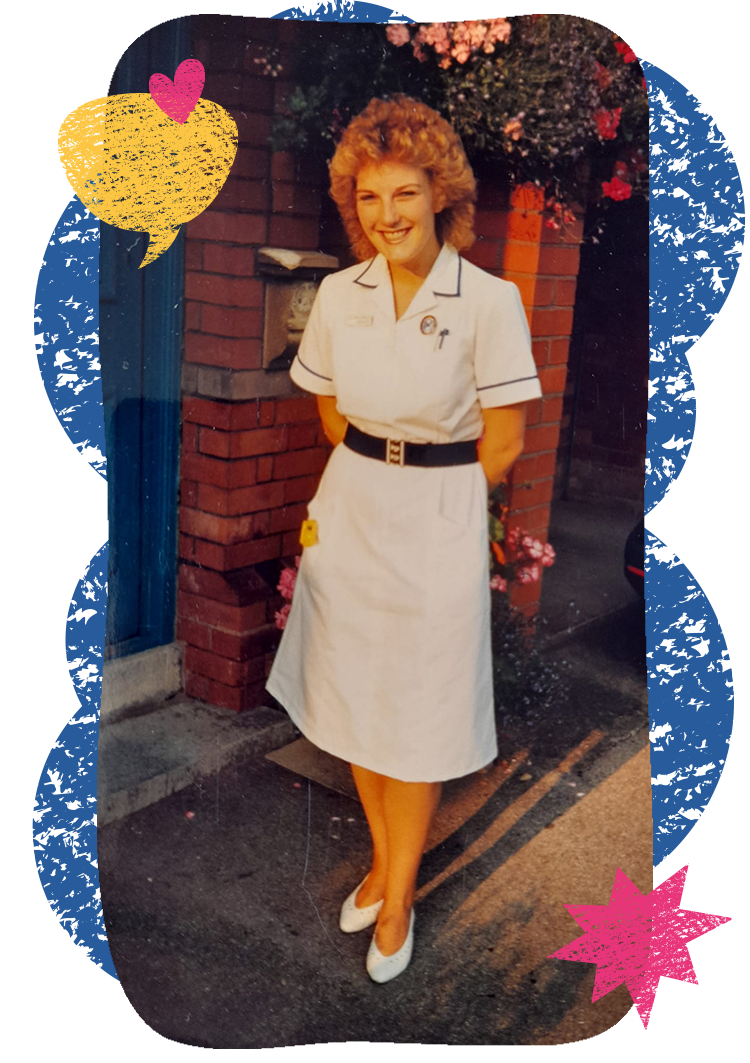
Donna ready for work at her first job in 1991
Donna ready for work at her first job in 1991
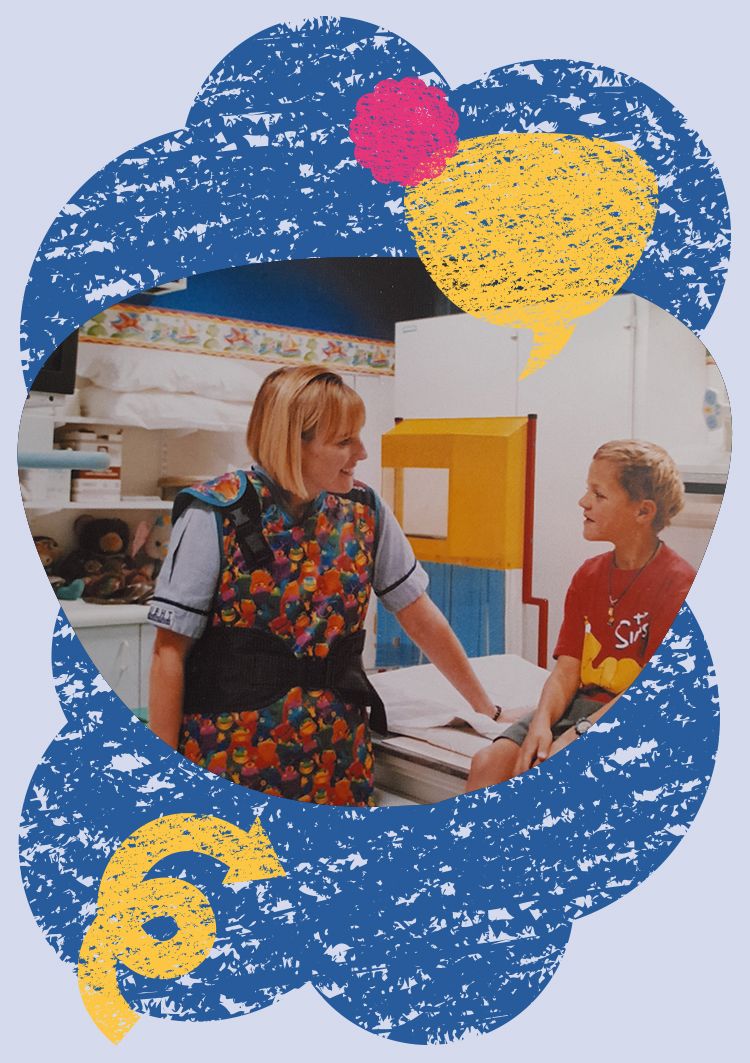
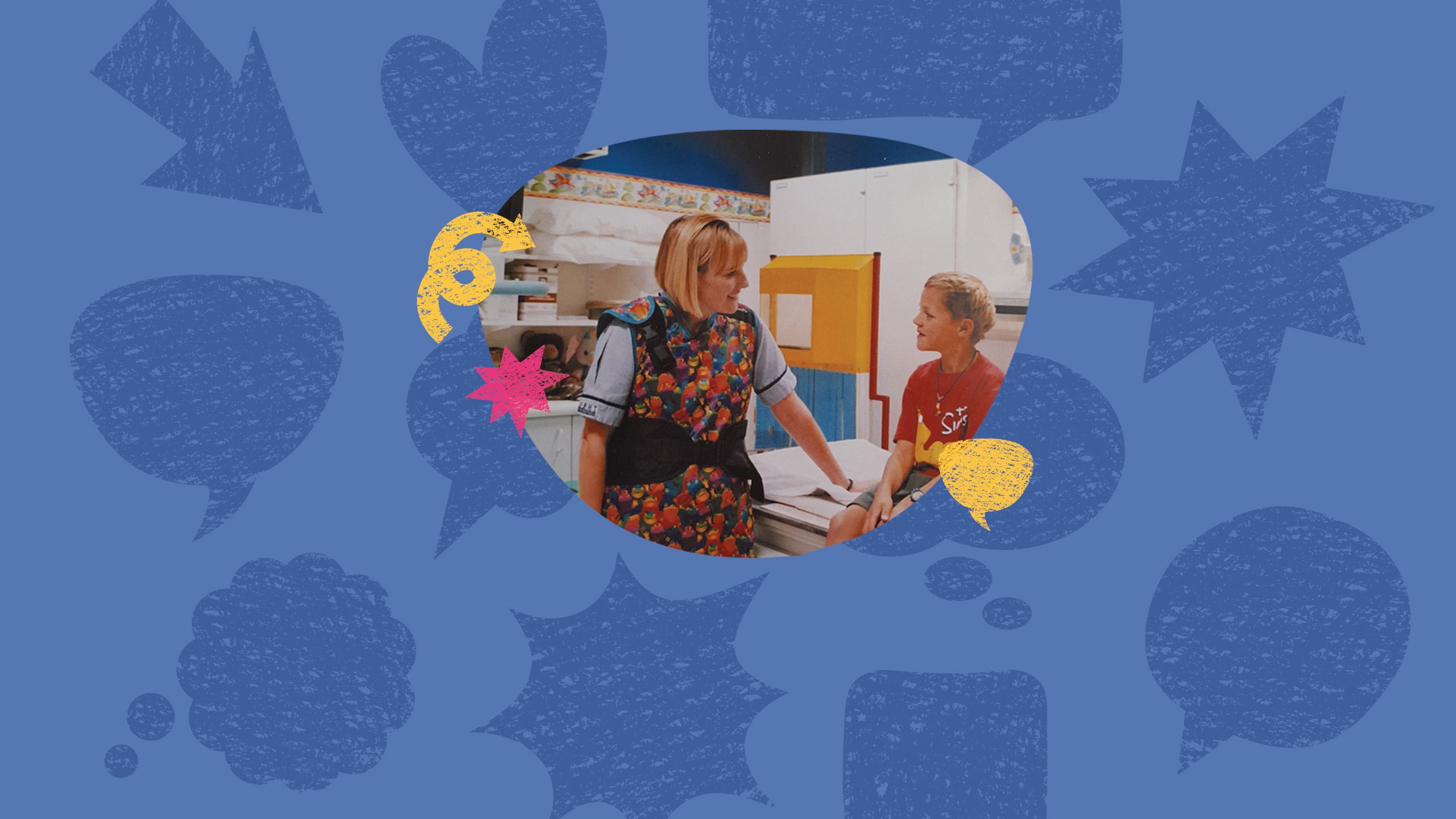
Donna pictured during a 2002 recruitment campaign for University Hospitals Bristol NHS Foundation Trust
Donna pictured during a 2002 recruitment campaign for University Hospitals Bristol NHS Foundation Trust
‘Watching their confidence grow is incredibly rewarding’
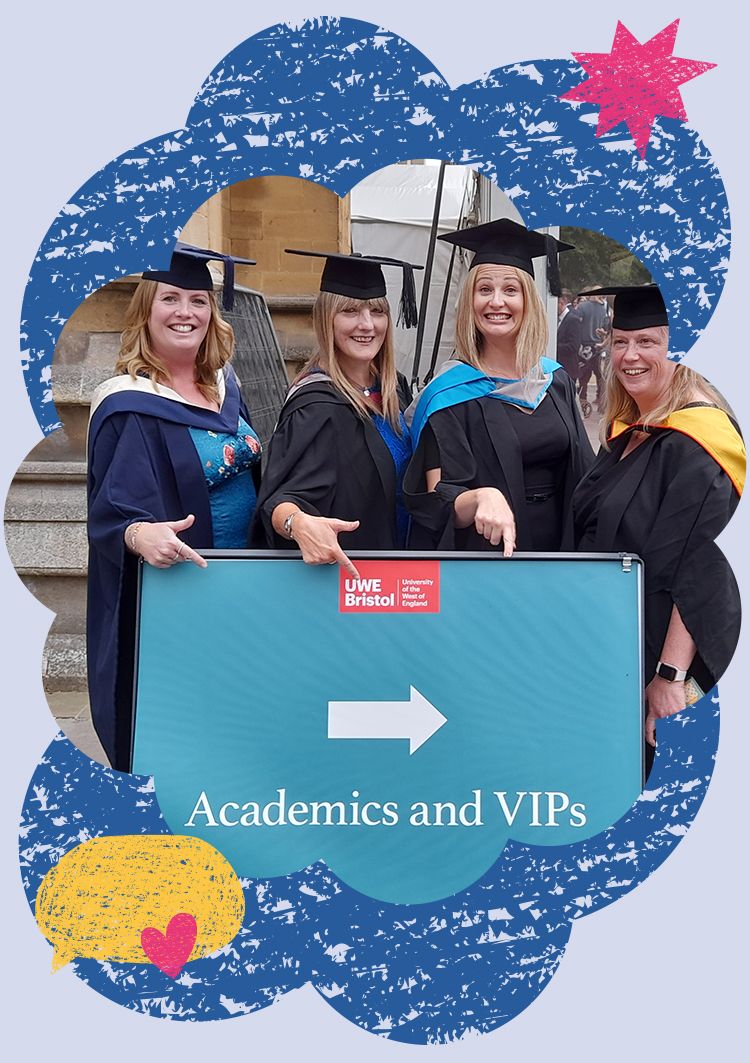
Donna (second from left) on UWE graduation day, with colleagues Laura Edmonds, Naomi Harrison and Sarah Dixon
Donna (second from left) on UWE graduation day, with colleagues Laura Edmonds, Naomi Harrison and Sarah Dixon
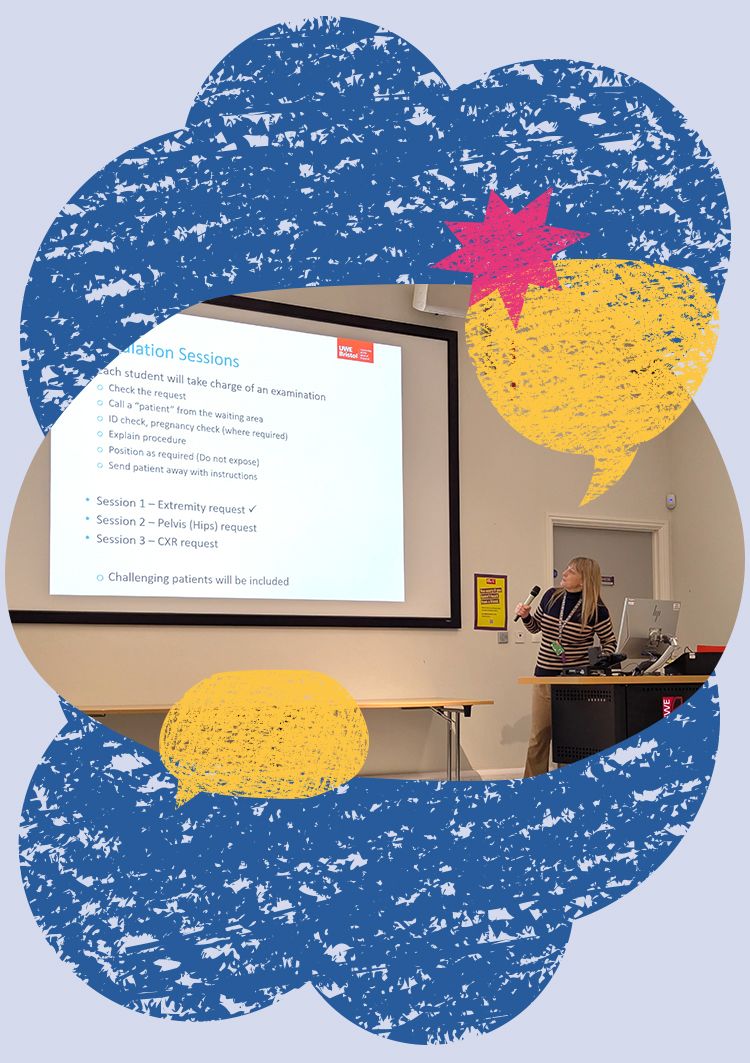
While in her clinical role, Donna had also taught at UWE. In 2011, she moved into a lecturer post, initially combining teaching with clinical practice before transitioning fully into academia. “I love seeing students progress,” she says. “Watching their confidence grow and seeing where their careers take them is incredibly rewarding.”
Mentorship has remained central to her approach. A former mentor once told her that the most important responsibility was ensuring the next generation are “as good as us, or better”. “That idea has always stayed with me,” she says.
Alongside her professional life, Donna has a passion for Formula One, an interest sparked through her husband’s work as a mechanic. It’s a small detail that reflects her wider curiosity and enjoyment of learning beyond radiography.
When it comes to paediatric imaging, Donna is clear that the role carries significant responsibility. Obtaining diagnostic images in children is rarely straightforward, particularly when injury or distress is involved. Radiographers often support not only the child, but also parents or carers, while acting as a key point of contact within the patient pathway.
Safeguarding is a critical aspect of this role. Radiographers may be among the few professionals who see a child undressed and are therefore in a position to identify signs of abuse or neglect. “We may see injuries that do not fit the clinical history,” Donna explains. “That can be the starting point for safeguarding. We have to ask whether a child is safe.”
Her master’s dissertation focused on non-accidental injury, and she has led a dedicated study day on the subject at UWE for more than a decade, working closely with colleagues from the Bristol Royal Hospital for Children.
‘Radiographers need to be confident, skilled and prepared’
Despite the challenges, Donna describes paediatric radiography as deeply rewarding. First impressions matter, particularly for children who may require repeat imaging throughout their lives. “You want children and parents to leave feeling reassured,” she says. “If a child has a frightening experience early on, it makes future examinations much harder.”
Communication and trust are central to that experience. Donna emphasises that children are not simply “small adults” and require tailored approaches, though many of the skills developed in paediatrics translate across all patient groups. “Trust is a really big issue,” she adds. “Patients are more informed now and often have higher expectations. Radiographers need to be confident, skilled and prepared to get things right the first time.”
When images do need repeating, empathy matters. “At the centre of everything you do is a patient,” she says. “That is somebody’s family member. You should treat every patient as if they were your own.”
Reflecting on her career, Donna believes radiography remains an attractive profession because of its flexibility and breadth: “There are so many directions you can take. Play to your strengths. Take opportunities when they arise. Some aspects will be harder than others but, if you focus on what you do well, you will enjoy your career far more.”
Find out more about radiography at UWE
The University of West England’s BSc Hons Diagnostic Radiography course is approved by the Health and Care Professions Council and offers students the opportunity to operate highly specialised equipment, develop strong interprofessional and interpersonal skills, and get to grips with evidence-based learning, simulations and placements.
Find out more about the course online here.
Read more