

Making research part of day-to-day radiography
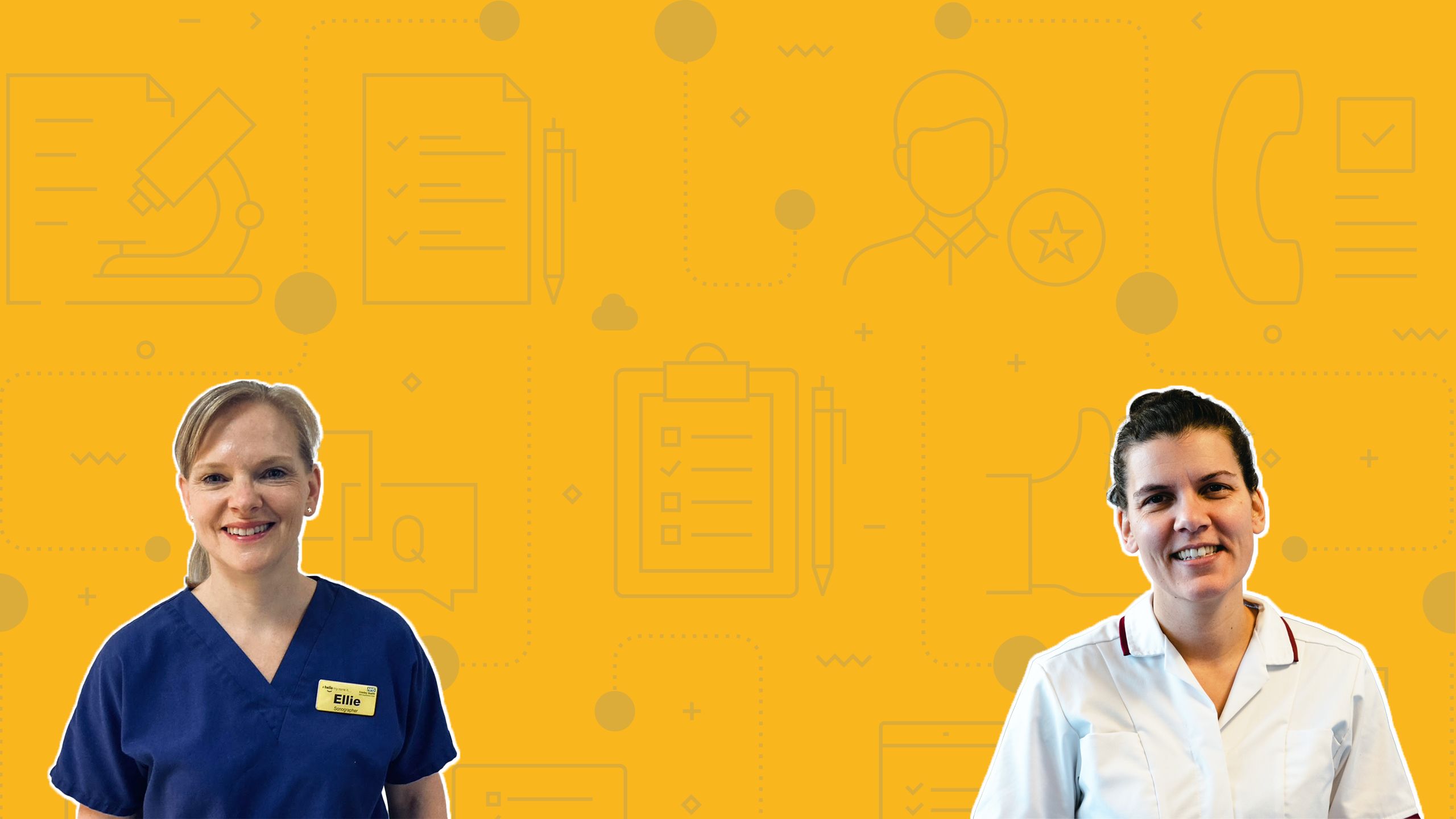
Radiographers at Frimley Health NHS Foundation Trust have been exploring ways to help others get started on their research journeys. Eleanor Butterfield and Sofia Torre spoke to Synergy about their efforts to make it accessible and practical



By Will Phillips
By Will Phillips
“Research should be at the heart of healthcare practice, underpinning all aspects of patient care,” reads the College of Radiographers’ research strategy document, which emphasises the myriad improvements departments see when they are dedicated to research.
In radiography, research can boost healthcare delivery, patient care, technological innovations, education, development of the workforce and more. But in practical terms, finding the time, effort and funding to organise research projects when vacancies are high and costs are constantly being cut is a difficult task.
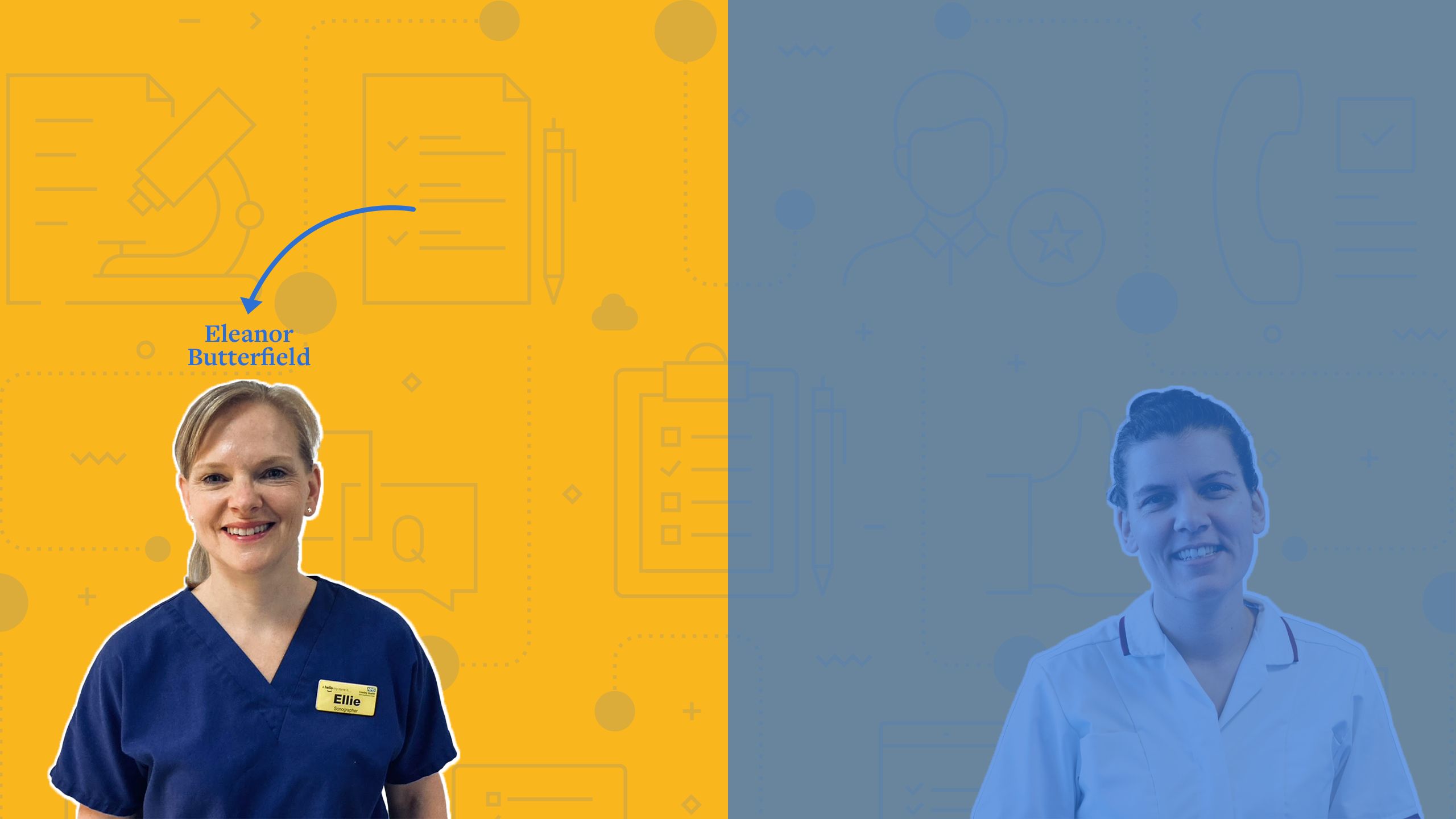
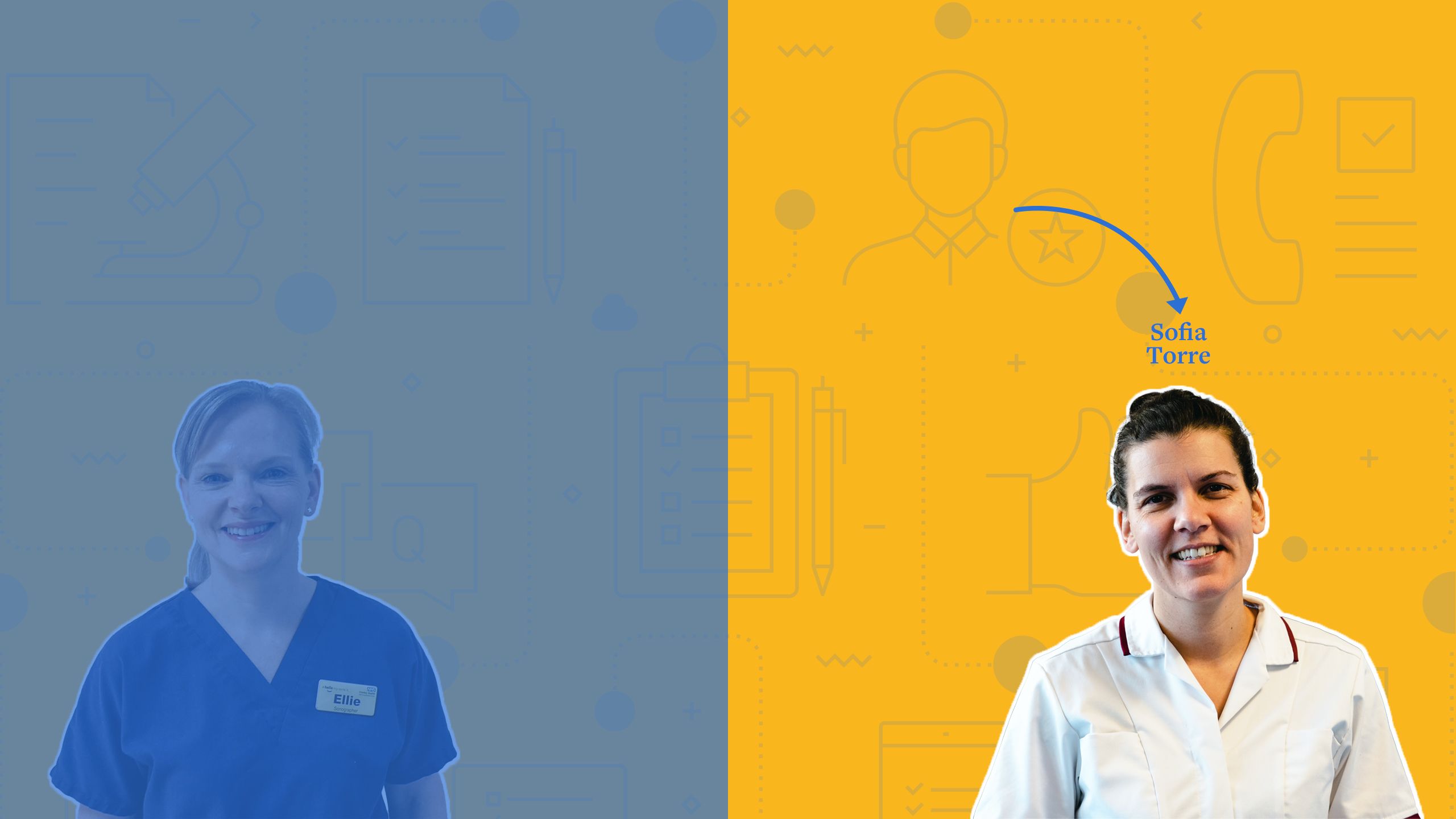
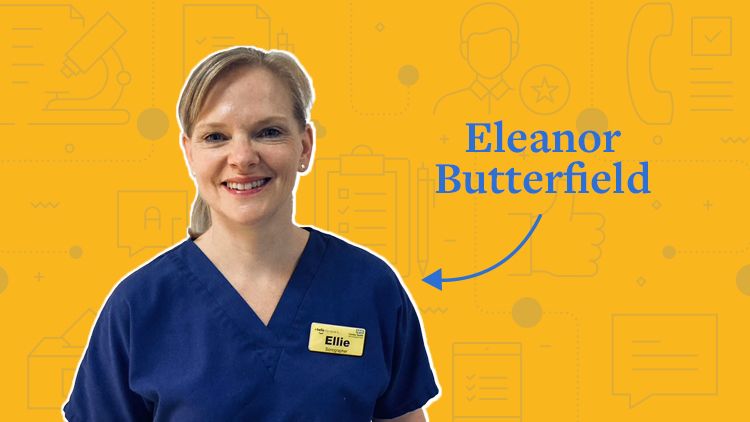
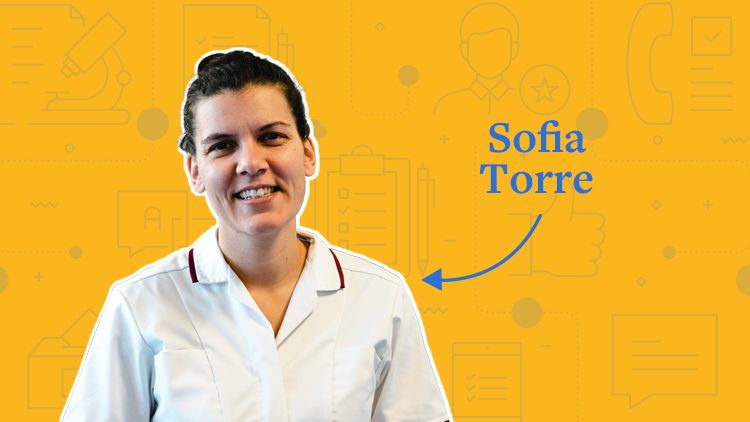
That hasn’t deterred Eleanor Butterfield or Sofia Torre, radiographers at Frimley Health NHS Foundation Trust, from pursuing their passion – and helping their colleagues to follow in their wake. Eleanor is a sonographer practice educator and lead research radiographer at the trust, where two years ago she and Sofia obtained funding through the National Institute for Health and Care Research (NIHR) to establish a radiography steering group. More recently, Eleanor has begun work for City St George’s University of London once a week as a research assistant to continue her own research skill development and compliment her work at Frimley. Sofia, MRI lead radiographer, member of the Artificial Intelligence Special Interest Group at the SoR and, as of October 2025, also a member of the SoR AI Advisory Group, joined her in this effort to promote research within the trust and empower radiographers to begin their own ventures into the area.
Synergy caught up with the pair to ask how they have been trying to bring research more into the day to day of radiography jobs – and what plans they have for the future.
By Will Phillips
By Will Phillips
“Research should be at the heart of healthcare practice, underpinning all aspects of patient care,” reads the College of Radiographers’ research strategy document, which emphasises the myriad improvements departments see when they are dedicated to research.
In radiography, research can boost healthcare delivery, patient care, technological innovations, education, development of the workforce and more. But in practical terms, finding the time, effort and funding to organise research projects when vacancies are high and costs are constantly being cut is a difficult task.
That hasn’t deterred Eleanor Butterfield or Sofia Torre, radiographers at Frimley Health NHS Foundation Trust, from pursuing their passion – and helping their colleagues to follow in their wake. Eleanor is a sonographer practice educator and lead research radiographer at the trust, where two years ago she and Sofia obtained funding through the National Institute for Health and Care Research (NIHR) to establish a radiography steering group. More recently, Eleanor has begun work for City St George’s University of London once a week as a research assistant to continue her own research skill development and compliment her work at Frimley. Sofia, MRI lead radiographer, member of the Artificial Intelligence Special Interest Group at the SoR and, as of October 2025, also a member of the SoR AI Advisory Group, joined her in this effort to promote research within the trust and empower radiographers to begin their own ventures into the area.
Synergy caught up with the pair to ask how they have been trying to bring research more into the day to day of radiography jobs – and what plans they have for the future.
‘It was a soft way of engaging radiographers to do something other than clinical work’
Eleanor originally received funding from NHS England to investigate radiographer research engagement at Frimley. One day a week, using the grant for both salary backfill and funding for conference attendance, Eleanor began her research. While now a part of her substantive contract, the research day is still a temporary element – though she’s hopeful it could become a permanent post in the future.
The study began with a capability and capacity research survey, which was distributed to staff in radiography and radiology to establish a baseline for what research was being conducted. Doing so gave Eleanor insight into where the staff felt competent and where they felt there were gaps, which enabled her to stand before senior leadership and put together a research strategy. Thus Frimley’s Radiography Steering Group was born.
A steering group stood out to Eleanor as an option, as opposed to the more traditional journal club, because she didn’t want people to feel forced to contribute if they were not confident in their abilities. Not all radiographers have experience in critiquing or discussing articles. “It was a soft way of engaging radiographers to do something other than clinical work,” Eleanor explains.

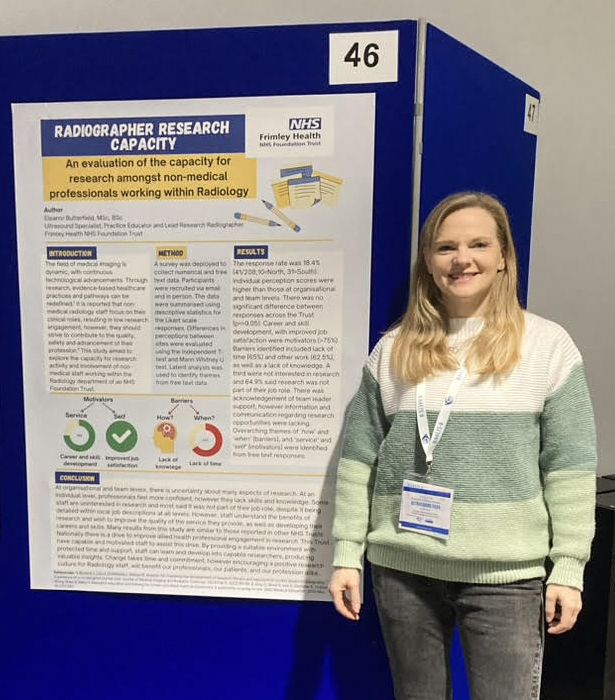
Eleanor Butterfield, Presenting a poster about Radiographer research capacity at the BMUS Ultrasound conference in Leicester 2024
Eleanor Butterfield, Presenting a poster about Radiographer research capacity at the BMUS Ultrasound conference in Leicester 2024
The steering group’s first project focused on equality, diversity and inclusion (EDI) – and was what first attracted Sofia to the group. Together, the team developed a project to investigate the perspectives of radiology staff on whether the department was honouring the core principles of EDI, and whether gaps could be identified.
Local demographic needs meant that the team were able to put in place some small interventions – though nothing that could interrupt the clinical pathway too much, says Eleanor.
At the UK Imaging and Oncology conference hosted in Liverpool by the SoR earlier this year, the team also submitted entries to the poster competition. Part of efforts to improve engagement and give people the confidence to go ahead with research, the poster submissions also helped to develop their appetite for more tangible research projects.
In summer 2024, Sofia raised the possibility of a research project focused on artificial intelligence. With a lot of discussion, the pair began looking into AI platforms within radiology, with their efforts being supported by NIHR funding. Now, Sofia and Eleanor have recruited a pair of research assistants and are working to secure the time and resources they need to complete the project.
Over the last 18 months since the creation of the steering group, the team has gone from light quality improvement discussion to engaging in clinical research and development. “It’s all moving in the right direction,” says Eleanor.
Sofia and Eleanor hadn’t met before the inception of the steering group, but the pair shared an interest in the topic. Sofia’s education at City St George’s was led by associate professor Dr Christina Malamateniou, a radiography academic at the university. “I’d never thought of research until I did my master’s dissertation, which was almost seven years ago. Because you’re so involved in your career, and in certain diagnostics, people don’t talk about research at a hospital. Just scan and learn how to practically see a patient. When I went to City St George’s, I thought ‘oh, this is brilliant. I want to do this’,” Sofia explains.
But on completion of her dissertation, Sofia found she wasn’t sure if she wanted to continue on to a PhD. She worried that it would prevent her from pursuing her clinical interests, such as in MRI. “You want that balance between continuing to be a Diagnostic Radiographer and doing research,” she says. “That balance is not easy. It feels a bit like you either have to be a full-time researcher or a full-time Diagnostic Radiographer. I want to change that – for me and for those who come after me.”
Luckily, upon meeting Eleanor, the two found they shared that passion. Together, and with the formation of the steering group, they are pushing to bring research in from the fringes of the profession.

‘It was a soft way of engaging radiographers to do something other than clinical work’
Eleanor originally received funding from NHS England to investigate radiographer research engagement at Frimley. One day a week, using the grant for both salary backfill and funding for conference attendance, Eleanor began her research. While now a part of her substantive contract, the research day is still a temporary element – though she’s hopeful it could become a permanent post in the future.
The study began with a capability and capacity research survey, which was distributed to staff in radiography and radiology to establish a baseline for what research was being conducted. Doing so gave Eleanor insight into where the staff felt competent and where they felt there were gaps, which enabled her to stand before senior leadership and put together a research strategy. Thus Frimley’s Radiography Steering Group was born.
A steering group stood out to Eleanor as an option, as opposed to the more traditional journal club, because she didn’t want people to feel forced to contribute if they were not confident in their abilities. Not all radiographers have experience in critiquing or discussing articles. “It was a soft way of engaging radiographers to do something other than clinical work,” Eleanor explains.
Eleanor Butterfield, Presenting a poster about Radiographer research capacity at the BMUS Ultrasound conference in Leicester 2024
Eleanor Butterfield, Presenting a poster about Radiographer research capacity at the BMUS Ultrasound conference in Leicester 2024
The steering group’s first project focused on equality, diversity and inclusion (EDI) – and was what first attracted Sofia to the group. Together, the team developed a project to investigate the perspectives of radiology staff on whether the department was honouring the core principles of EDI, and whether gaps could be identified.
Local demographic needs meant that the team were able to put in place some small interventions – though nothing that could interrupt the clinical pathway too much, says Eleanor.
At the UK Imaging and Oncology conference hosted in Liverpool by the SoR earlier this year, the team also submitted entries to the poster competition. Part of efforts to improve engagement and give people the confidence to go ahead with research, the poster submissions also helped to develop their appetite for more tangible research projects.
In summer 2024, Sofia raised the possibility of a research project focused on artificial intelligence. With a lot of discussion, the pair began looking into AI platforms within radiology, with their efforts being supported by NIHR funding. Now, Sofia and Eleanor have recruited a pair of research assistants and are working to secure the time and resources they need to complete the project.
Over the last 18 months since the creation of the steering group, the team has gone from light quality improvement discussion to engaging in clinical research and development. “It’s all moving in the right direction,” says Eleanor.
Sofia and Eleanor hadn’t met before the inception of the steering group, but the pair shared an interest in the topic. Sofia’s education at City St George’s was led by associate professor Dr Christina Malamateniou, a radiography academic at the university. “I’d never thought of research until I did my master’s dissertation, which was almost seven years ago. Because you’re so involved in your career, and in certain diagnostics, people don’t talk about research at a hospital. Just scan and learn how to practically see a patient. When I went to City St George’s, I thought ‘oh, this is brilliant. I want to do this’,” Sofia explains.
But on completion of her dissertation, Sofia found she wasn’t sure if she wanted to continue on to a PhD. She worried that it would prevent her from pursuing her clinical interests, such as in MRI. “You want that balance between continuing to be a Diagnostic Radiographer and doing research,” she says. “That balance is not easy. It feels a bit like you either have to be a full-time researcher or a full-time Diagnostic Radiographer. I want to change that – for me and for those who come after me.”
Luckily, upon meeting Eleanor, the two found they shared that passion. Together, and with the formation of the steering group, they are pushing to bring research in from the fringes of the profession.

Finding the time
“The bulk of radiographers in the UK are working in hospitals or clinical environments, and they don’t do any sort of research,” Sofia explains. “Research is usually limited to institutions such as universities or, occasionally, major teaching hospitals. This group aims to challenge this norm by encouraging evidence-based practice to enhance the quality of patient care and support the advancement of the profession.”
Eleanor’s studies made her realise the value of research in clinical practice. She says one of the clinical educators at her Trust had alerted her to NHS England funding for research, and suggested she put a pitch forward. “It had been bothering me for quite a while,” she says. “I’d heard about physios being very active in the research, and nurses being very active, and quite a lot of other allied health professional groups. But actually, radiographers weren’t – and, certainly at our hospital, there just wasn’t the time.”
But there has been no issue with interest, Eleanor adds. The team at Frimley was keen to complete the survey the team put out and, with that feedback, Eleanor went to the senior leadership of the Trust to fly the flag for research.
With support from the site leads at Frimley and Wexham, she has been able to do the preliminary work in setting up the steering group and to bring Sofia in for the ongoing AI project.
The balance of clinical work and academic research has been amazing, Eleanor adds. She didn’t want to “jump ship” and go to a university to get academic experience, because that would leave her Trust without her expertise and the specific postgraduate experience and skills she developed for ultrasound.
The first step, the pair advise, is to speak with your immediate senior. For Eleanor, the opportunity to conduct this research came on the back of funding potential – without that, she wouldn’t have been able to secure a substantive post. But even without that funding, having support from a line manager is key. While it’s tricky for full-time clinicians to make the commitment to research Eleanor and Sofia are proposing, they are keen to emphasise that anyone interested should give it a try. “We haven’t broken down all the barriers, but Sofia and I would love to get to a position where radiographers are naturally given a certain number of hours every week to do prescribed research, or read the latest journal that’s come through the door,” says Eleanor.
“With all the cuts in the NHS, I can’t see that happening any time soon – however, if you do have a manager who is happy to support some of that research journey, the rewards at the end will be worth it.”

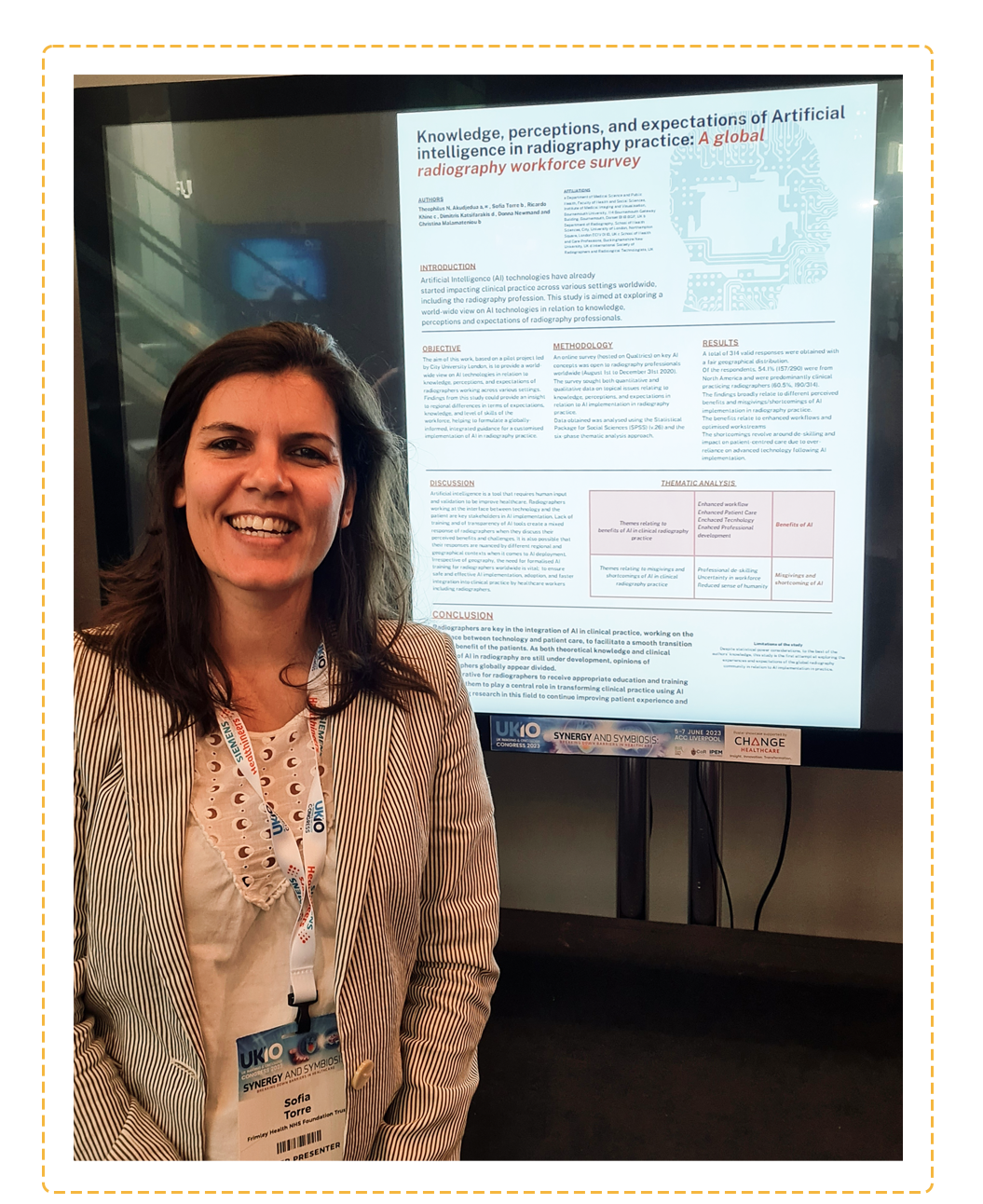
Sofia Torre at UKIO 2023 presenting her E-poster
Sofia Torre at UKIO 2023 presenting her E-poster
Finding the time
“The bulk of radiographers in the UK are working in hospitals or clinical environments, and they don’t do any sort of research,” Sofia explains. “Research is usually limited to institutions such as universities or, occasionally, major teaching hospitals. This group aims to challenge this norm by encouraging evidence-based practice to enhance the quality of patient care and support the advancement of the profession.”
Eleanor’s studies made her realise the value of research in clinical practice. She says one of the clinical educators at her Trust had alerted her to NHS England funding for research, and suggested she put a pitch forward. “It had been bothering me for quite a while,” she says. “I’d heard about physios being very active in the research, and nurses being very active, and quite a lot of other allied health professional groups. But actually, radiographers weren’t – and, certainly at our hospital, there just wasn’t the time.”
But there has been no issue with interest, Eleanor adds. The team at Frimley was keen to complete the survey the team put out and, with that feedback, Eleanor went to the senior leadership of the Trust to fly the flag for research.

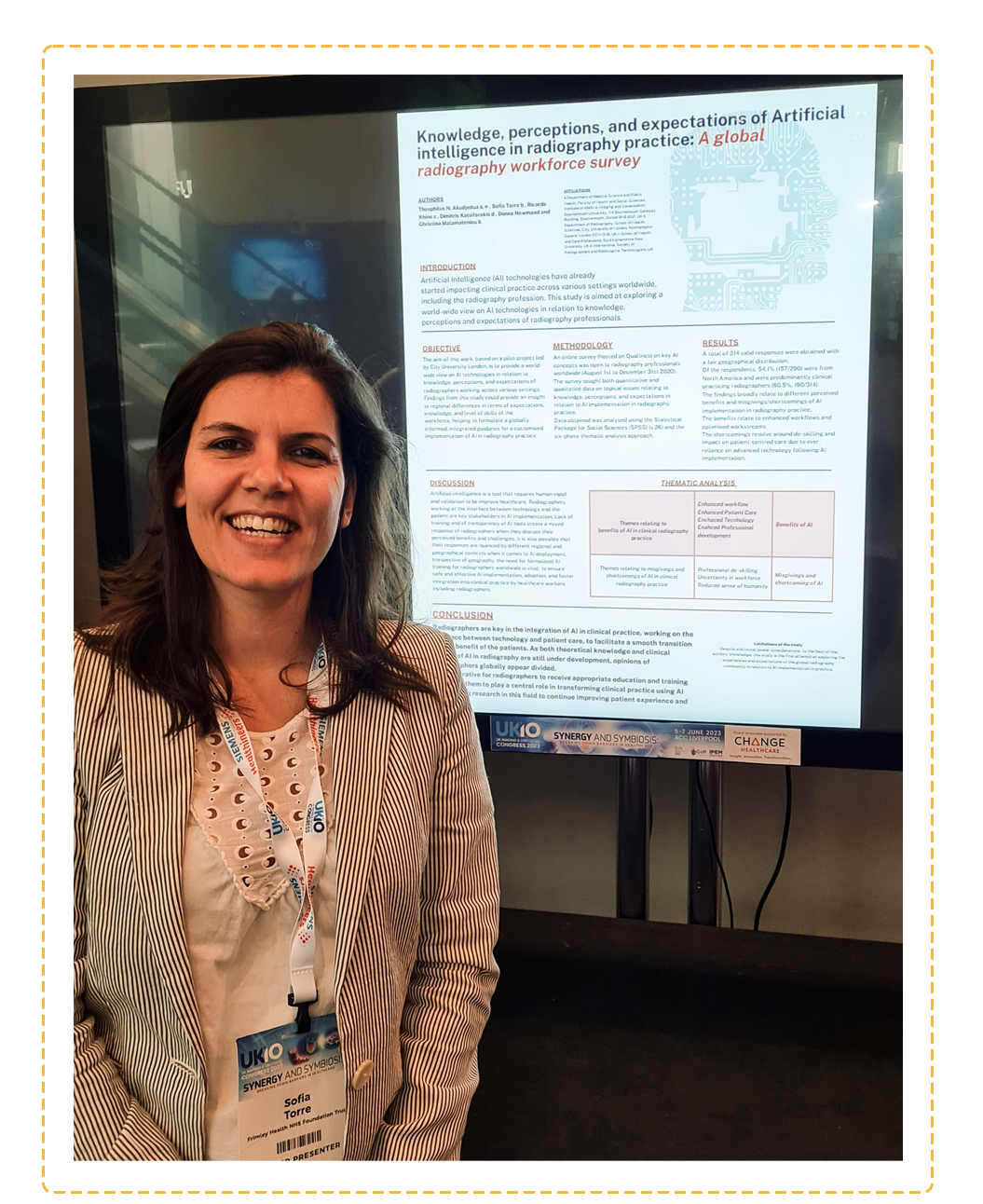
Sofia Torre at UKIO 2023 presenting her E-poster
Sofia Torre at UKIO 2023 presenting her E-poster
With support from the site leads at Frimley and Wexham, she has been able to do the preliminary work in setting up the steering group and to bring Sofia in for the ongoing AI project.
The balance of clinical work and academic research has been amazing, Eleanor adds. She didn’t want to “jump ship” and go to a university to get academic experience, because that would leave her Trust without her expertise and the specific postgraduate experience and skills she developed for ultrasound.
The first step, the pair advise, is to speak with your immediate senior. For Eleanor, the opportunity to conduct this research came on the back of funding potential – without that, she wouldn’t have been able to secure a substantive post. But even without that funding, having support from a line manager is key. While it’s tricky for full-time clinicians to make the commitment to research Eleanor and Sofia are proposing, they are keen to emphasise that anyone interested should give it a try. “We haven’t broken down all the barriers, but Sofia and I would love to get to a position where radiographers are naturally given a certain number of hours every week to do prescribed research, or read the latest journal that’s come through the door,” says Eleanor.
“With all the cuts in the NHS, I can’t see that happening any time soon – however, if you do have a manager who is happy to support some of that research journey, the rewards at the end will be worth it.”

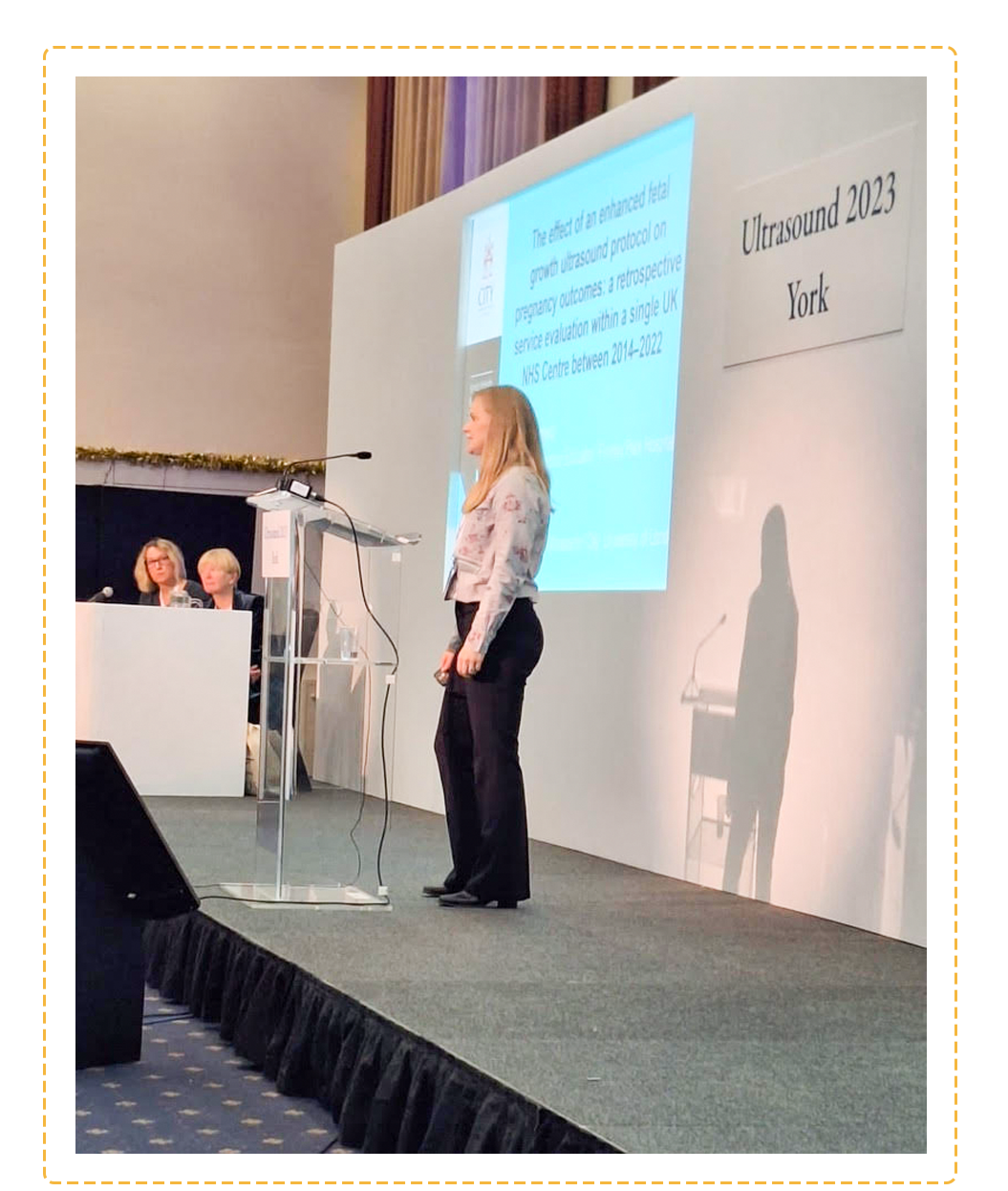
Eleanor Butterfield presenting her research at the BMUS Ultrasound Conference in York 2023
Eleanor Butterfield presenting her research at the BMUS Ultrasound Conference in York 2023
The future of your profession
Together, the steering group has encouraged its members to submit posters to conferences, to think outside the box in supporting the patient pathway, and more. “Anyone getting into research from scratch should know it’s not going to be an easy task,” Eleanor warns. “But I think this is where radiographers need to put their heads up a bit more and say ‘we can do this’. The more people who can do it, the more we make it the norm, and then we might actually create roles out of this – which brings more researchers into radiography, and inevitably improves patient care.”
But such a goal is a long way away, and Eleanor doesn’t expect to get there any time soon. Still, the important thing is not to give up. “The bottom line is, for anyone interested in research: this is the future of your profession. You need to get hold of what you want to do. Don’t let anybody choose for you, or dictate what you need to do in your career, whether it’s in patient care or professional development,” says Sofia.
“Especially for students and young radiographers – please grasp the opportunities within radiography. When you do research, and take ownership of that, you will have a voice in how patients are treated, how your profession develops and how you as a professional in the NHS gets recognised within other professions. Research is one of the opportunities you have to make patient care more effective.”
Eleanor agrees, adding that support from colleagues is available. She says radiographers should reach out to the SoR, universities and researchers involved in topics they find interesting. “That’s been my overwhelming discovery over the last 18 months,” she adds. “There are so many support networks, and so many funding and development opportunities out there. Just take that brave first step to ask somebody for help and direction. A pathway will naturally appear.”
The future of your profession
Together, the steering group has encouraged its members to submit posters to conferences, to think outside the box in supporting the patient pathway, and more. “Anyone getting into research from scratch should know it’s not going to be an easy task,” Eleanor warns. “But I think this is where radiographers need to put their heads up a bit more and say ‘we can do this’. The more people who can do it, the more we make it the norm, and then we might actually create roles out of this – which brings more researchers into radiography, and inevitably improves patient care.”

Eleanor Butterfield presenting her research at the BMUS Ultrasound Conference in York 2023
Eleanor Butterfield presenting her research at the BMUS Ultrasound Conference in York 2023
But such a goal is a long way away, and Eleanor doesn’t expect to get there any time soon. Still, the important thing is not to give up. “The bottom line is, for anyone interested in research: this is the future of your profession. You need to get hold of what you want to do. Don’t let anybody choose for you, or dictate what you need to do in your career, whether it’s in patient care or professional development,” says Sofia.
“Especially for students and young radiographers – please grasp the opportunities within radiography. When you do research, and take ownership of that, you will have a voice in how patients are treated, how your profession develops and how you as a professional in the NHS gets recognised within other professions. Research is one of the opportunities you have to make patient care more effective.”
Eleanor agrees, adding that support from colleagues is available. She says radiographers should reach out to the SoR, universities and researchers involved in topics they find interesting. “That’s been my overwhelming discovery over the last 18 months,” she adds. “There are so many support networks, and so many funding and development opportunities out there. Just take that brave first step to ask somebody for help and direction. A pathway will naturally appear.”
Find out more about getting involved in research
The College of Radiographers Research Priorities for the Radiographic Profession outlines its vision to improve patient care and outcomes by continuing to develop, grow and implement a high-quality evidence base. It identifies what the key areas will be for radiography research in the UK over the next five years.
The SoR’s Research Advisory Group encourages all radiographers to use research in their practice and to promote radiography’s unique knowledge base.
A full list of resources and helpful guides for getting involved with research can be accessed on the SoR website here.
Image credit: Getty Images