

‘We lack the basic needs to treat patients’: update on life as a radiographer in Gaza
Two years on from the start of the war in Gaza, radiographers continue to face near-impossible challenges in delivering patient care. Tamer Ganem shares his experiences from the conflict


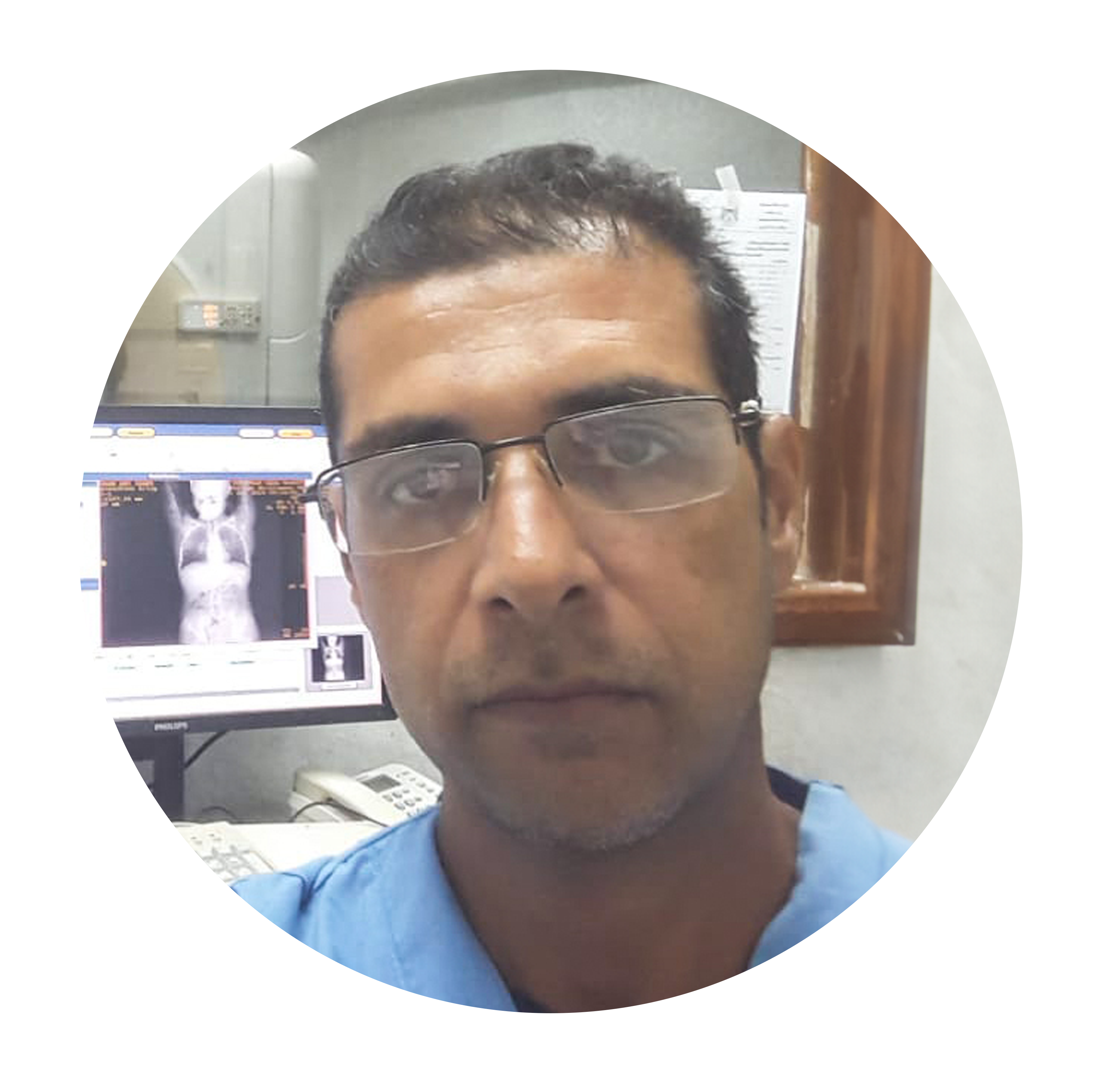
By Tamer Ganem, Egyptian radiographer living and working in Gaza
By Tamer Ganem, Egyptian radiographer living and working in Gaza
Radiographers in Gaza continue to face challenges when treating critical injuries, not least the lack of basic resources for departments, such as surgical operating rooms. There has been an increase in the number of patients, with many of them needing to enter the clinical sections of intensive care and large rooms that accommodate them for daily treatment, which is very difficult because some hospitals are out of service.
I have worked in a number of radiology rooms in hospitals in the Gaza Strip, including the Youssef Al-Najjar Hospital in Rafah, before the evacuation of the city, and the European Gaza Hospital in Khan Yunis. Some important medical aids for diagnosing patients are not working, and many are out of service and need constant repair, including X-ray, computed radiography, C-ARM, CT and MRI. All this affects patients’ lives. The lack of medical equipment and supplies is a fundamental problem that the hospitals, clinics and centres of the Ministry of Health suffer from.
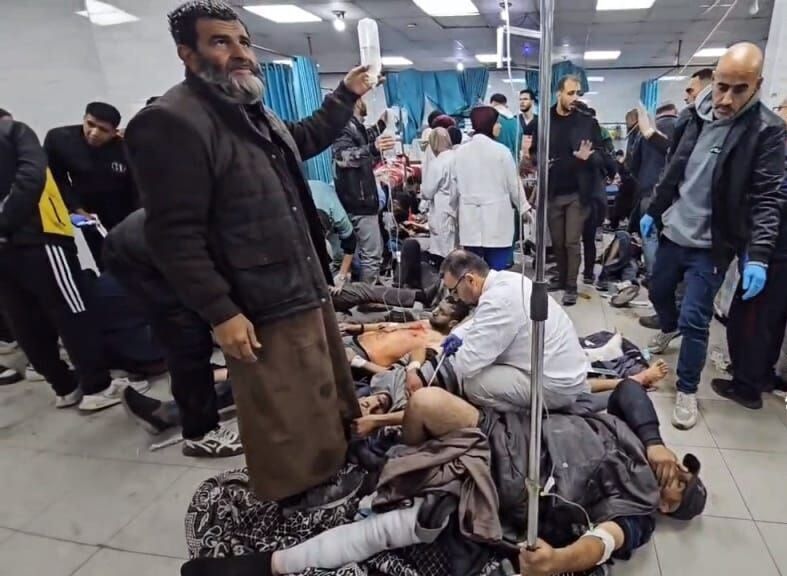
As usual, the team in the radiology department is in contact with medical equipment engineers to ensure that the radiology equipment works every morning. Most of the injured patients are in the emergency, surgery and pediatric departments and the reception, where they are crowded because of the ongoing war. Some are on the floor receiving treatment.
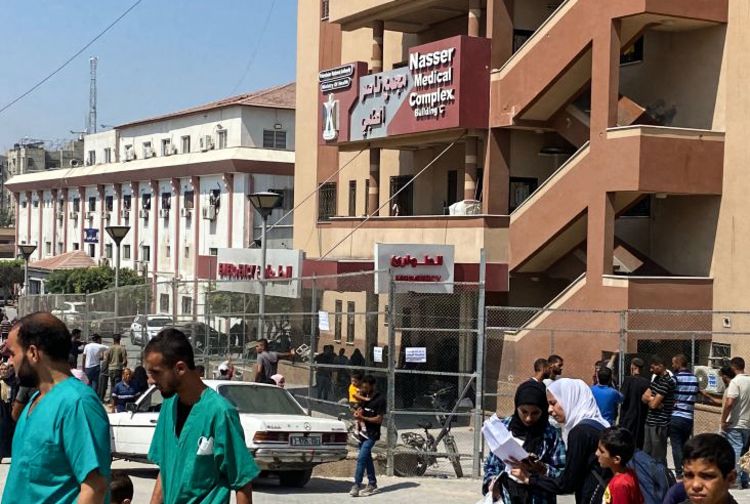
Everything that happens here day and night also affects the medical staff. For example, there is a hospital in the south of Gaza, Nasser Medical Hospital, where many injured go to the emergency department daily for treatment, and where the radiographs of children, the elderly or women are examined for diagnosis. When they go to the radiology department, patients are crowded in during imaging with radiography technicians, and this causes us psychological stress every day.
There are a few patients who are allowed to leave the country via the Red Cross or the World Health Organisation but, unfortunately, as a result of closing the crossings and not being allowed to travel, it is very difficult to treat them. This causes daily suffering for children, the elderly and the injured because of the difficult conditions hospitals are operating under.
By Tamer Ganem, Egyptian radiographer living and working in Gaza
By Tamer Ganem, Egyptian radiographer living and working in Gaza
Radiographers in Gaza continue to face challenges when treating critical injuries, not least the lack of basic resources for departments, such as surgical operating rooms. There has been an increase in the number of patients, with many of them needing to enter the clinical sections of intensive care and large rooms that accommodate them for daily treatment, which is very difficult because some hospitals are out of service.
I have worked in a number of radiology rooms in hospitals in the Gaza Strip, including the Youssef Al-Najjar Hospital in Rafah, before the evacuation of the city, and the European Gaza Hospital in Khan Yunis. Some important medical aids for diagnosing patients are not working, and many are out of service and need constant repair, including X-ray, computed radiography, C-ARM, CT and MRI. All this affects patients’ lives. The lack of medical equipment and supplies is a fundamental problem that the hospitals, clinics and centres of the Ministry of Health suffer from.
As usual, the team in the radiology department is in contact with medical equipment engineers to ensure that the radiology equipment works every morning. Most of the injured patients are in the emergency, surgery and pediatric departments and the reception, where they are crowded because of the ongoing war. Some are on the floor receiving treatment.
Everything that happens here day and night also affects the medical staff. For example, there is a hospital in the south of Gaza, Nasser Medical Hospital, where many injured go to the emergency department daily for treatment, and where the radiographs of children, the elderly or women are examined for diagnosis. When they go to the radiology department, patients are crowded during imaging with radiography technicians, and this causes us psychological stress every day.
There are a few patients who are allowed to leave the country via the Red Cross or the World Health Organisation but, unfortunately, as a result of closing the crossings and not being allowed to travel, it is very difficult to treat them. This causes daily suffering for children, the elderly and the injured because of the difficult conditions hospitals are operating under.

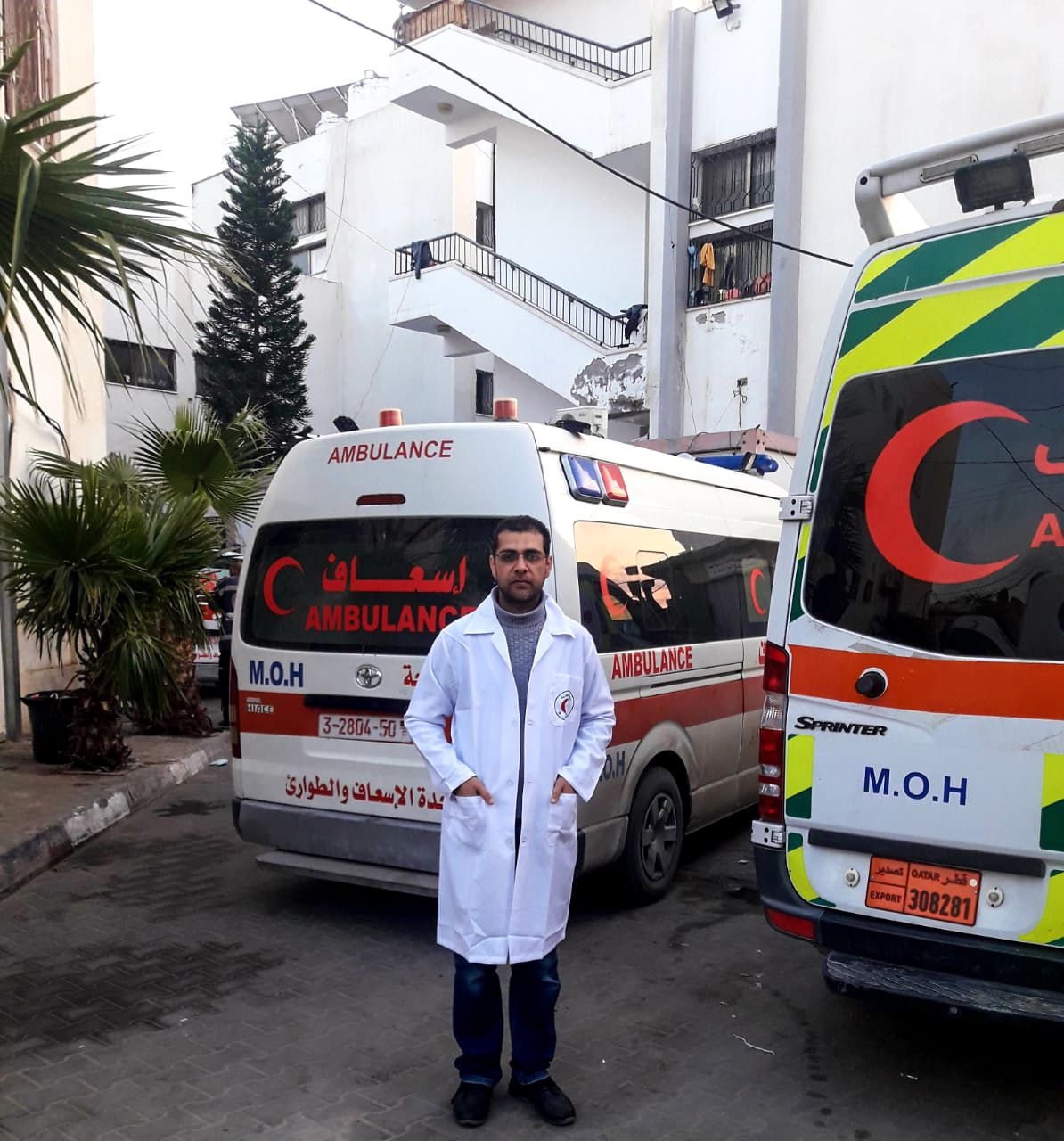
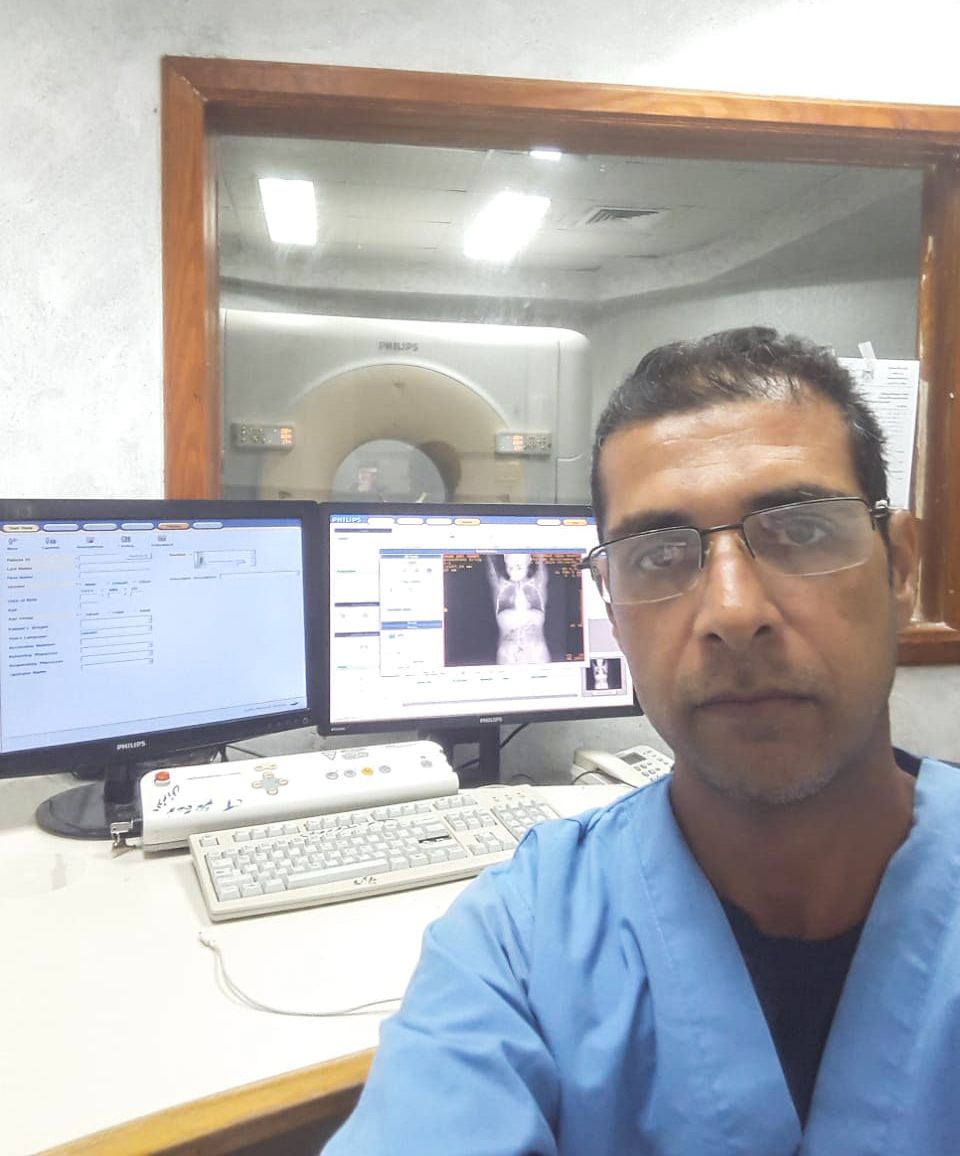
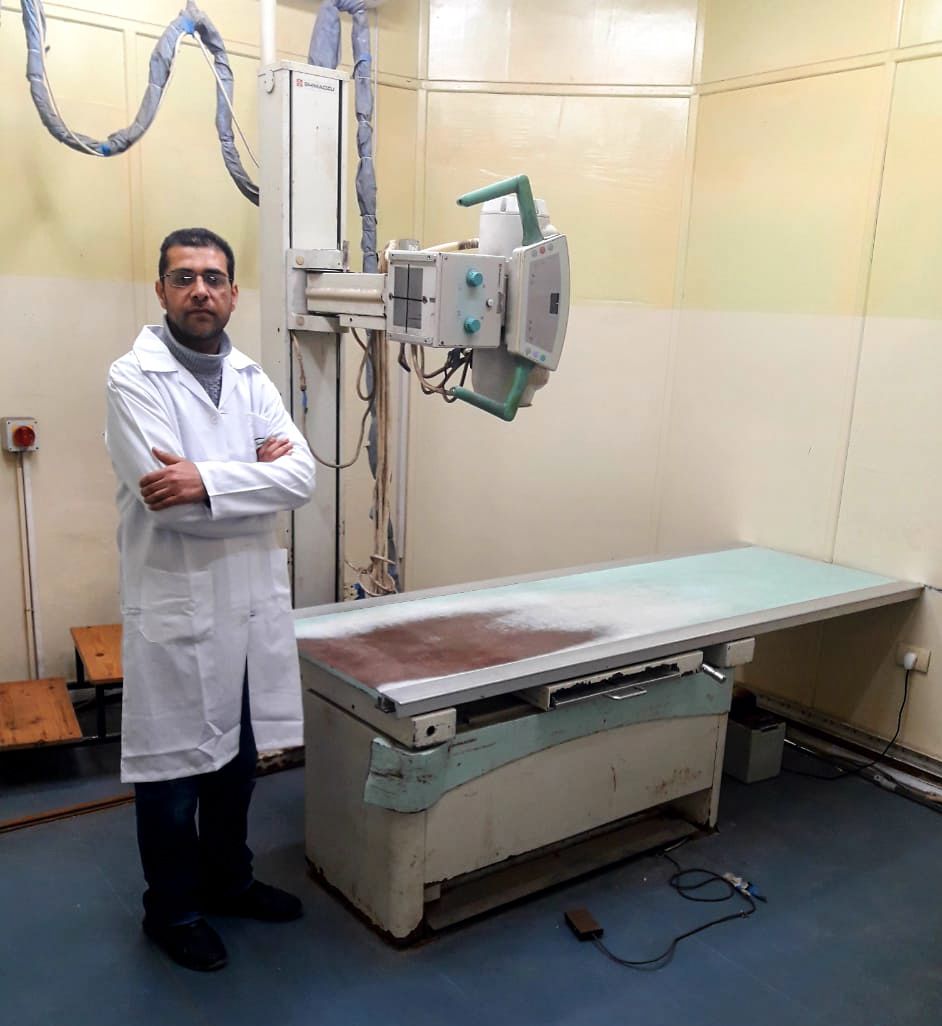
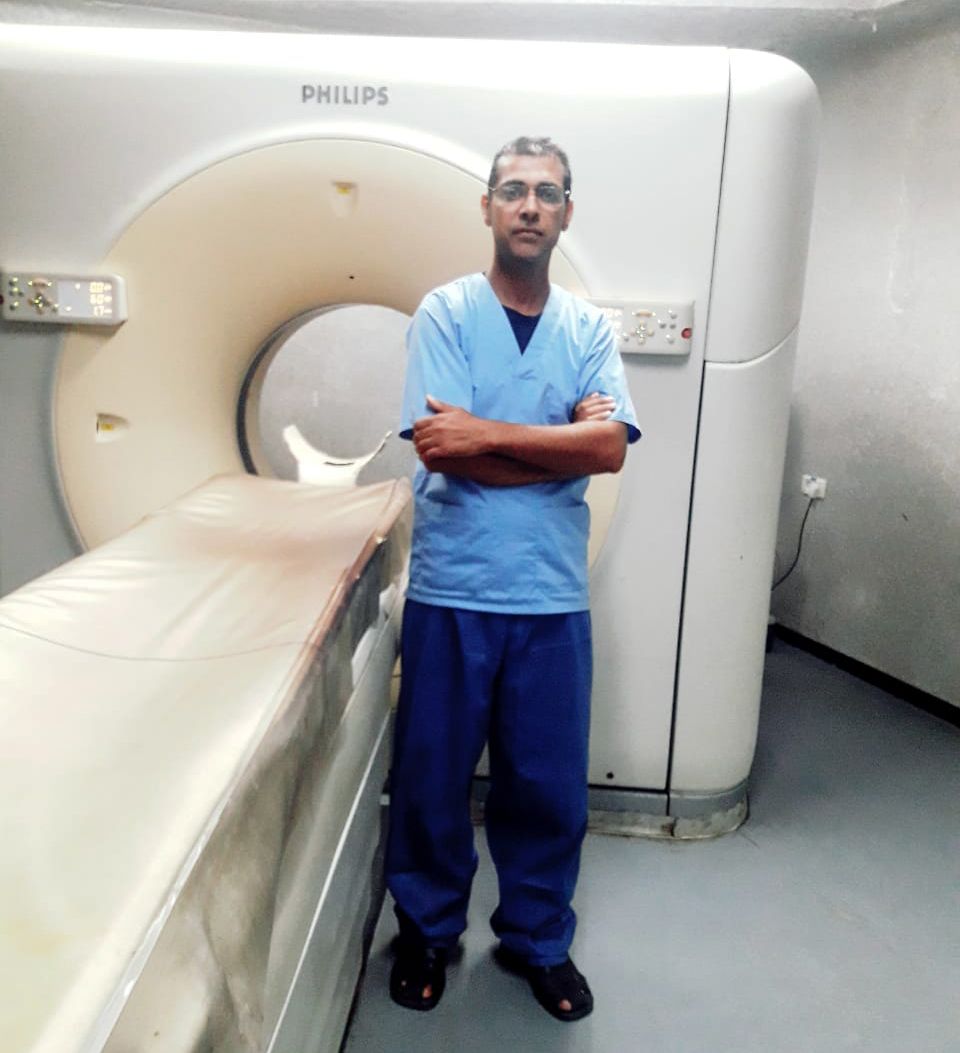
Tamer at the Abu Yousef Al-Najjar hospital, during the war, before leaving the city
Tamer at the Abu Yousef Al-Najjar hospital, during the war, before leaving the city

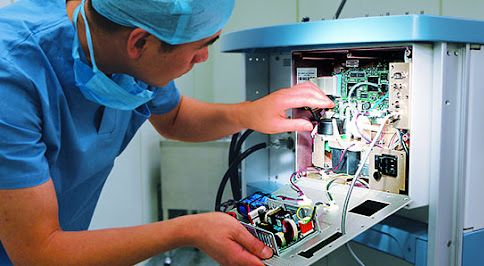
Maintenance is insufficient to operate medical equipment in Gaza hospitals due to the difficulty of obtaining parts and supplies needed for its operation
Maintenance is insufficient to operate medical equipment in Gaza hospitals due to the difficulty of obtaining parts and supplies needed for its operation




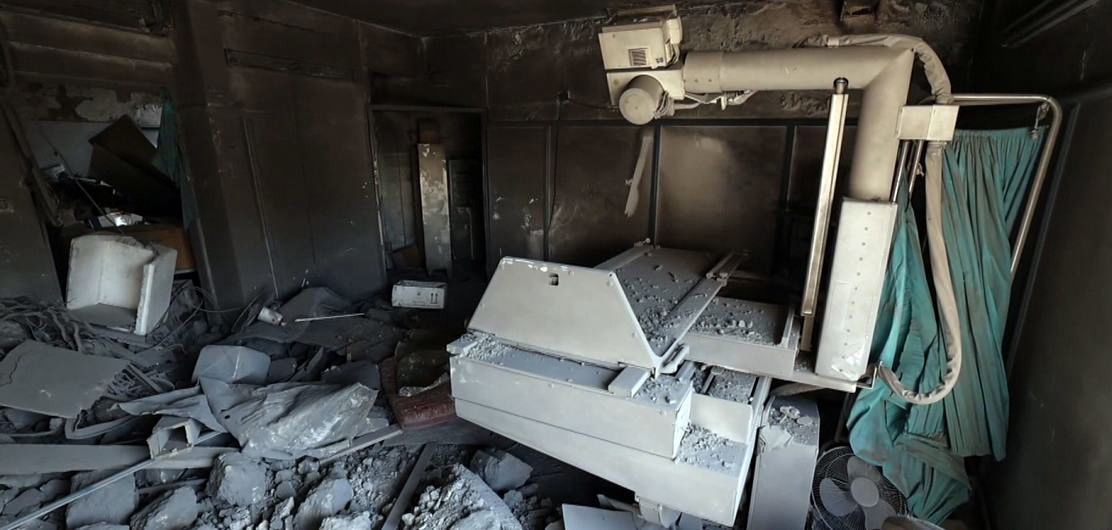
Destruction and damage to radiological imaging equipment inside Palestinian medical departments as a result of the war
Destruction and damage to radiological imaging equipment inside Palestinian medical departments as a result of the war


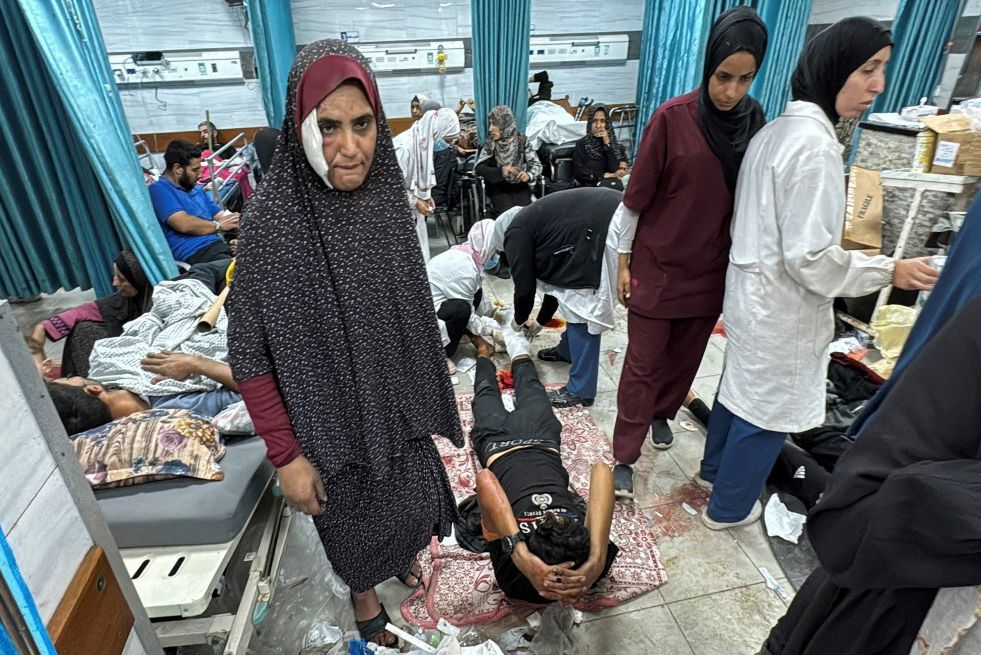
The number of injuries and wounded people inside the emergency rooms for treatment while they are lying on the ground as a result of the war on Gaza
The number of injuries and wounded people inside the emergency rooms for treatment while they are lying on the ground as a result of the war on Gaza

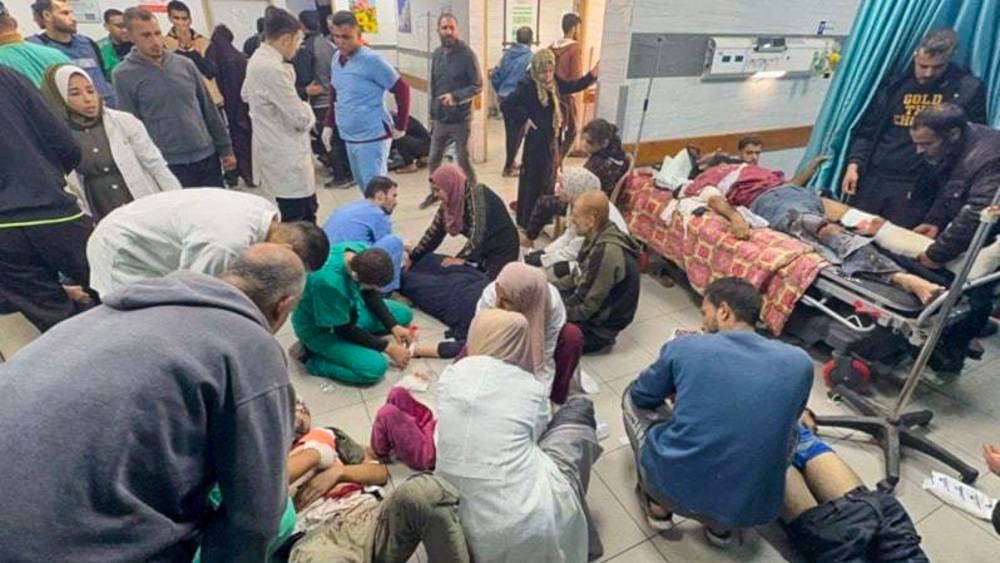
Wounded and injured Palestinians receiving treatment in Gaza hospitals
Wounded and injured Palestinians receiving treatment in Gaza hospitals

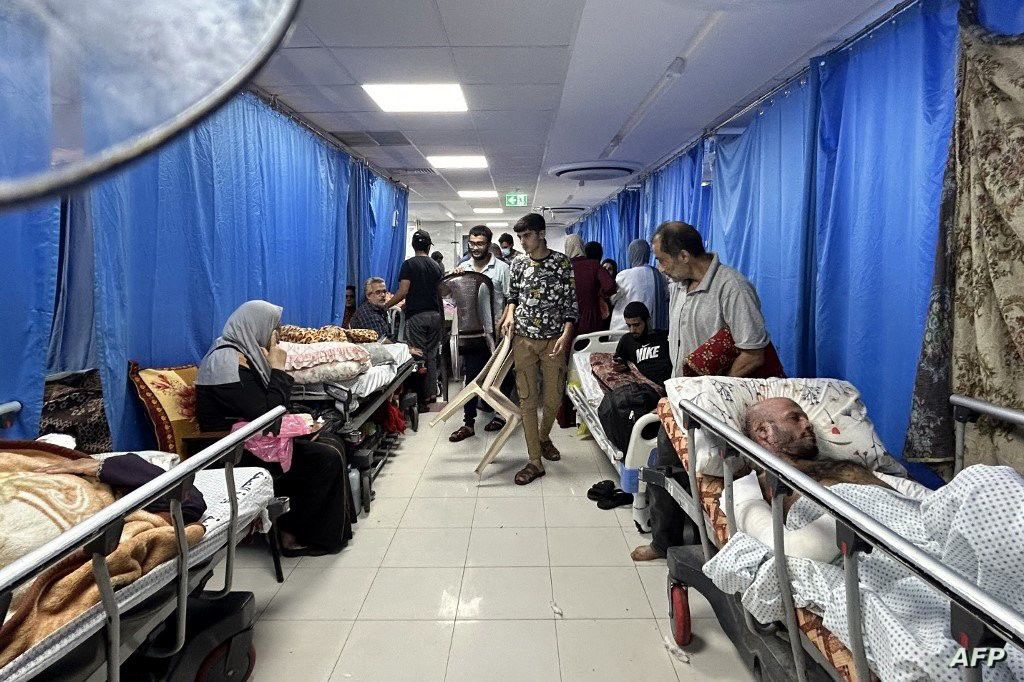
Overcrowding of patients inside emergency rooms for treatment due to the war
Overcrowding of patients inside emergency rooms for treatment due to the war


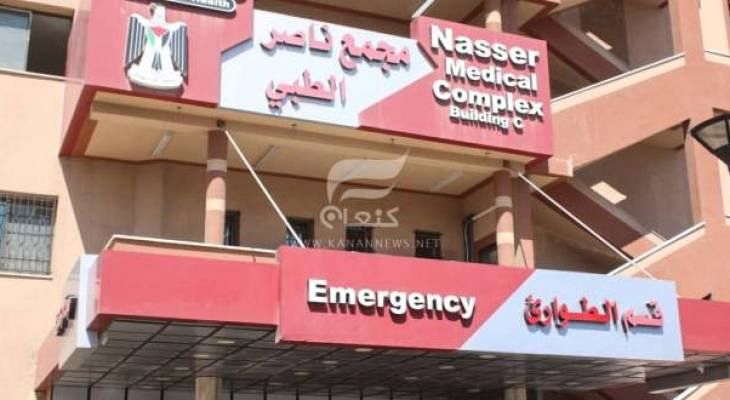
The only hospital currently operating in southern Gaza, after other hospitals such as the European Gaza Hospital went out of service during the war
The only hospital currently operating in southern Gaza, after other hospitals such as the European Gaza Hospital went out of service during the war


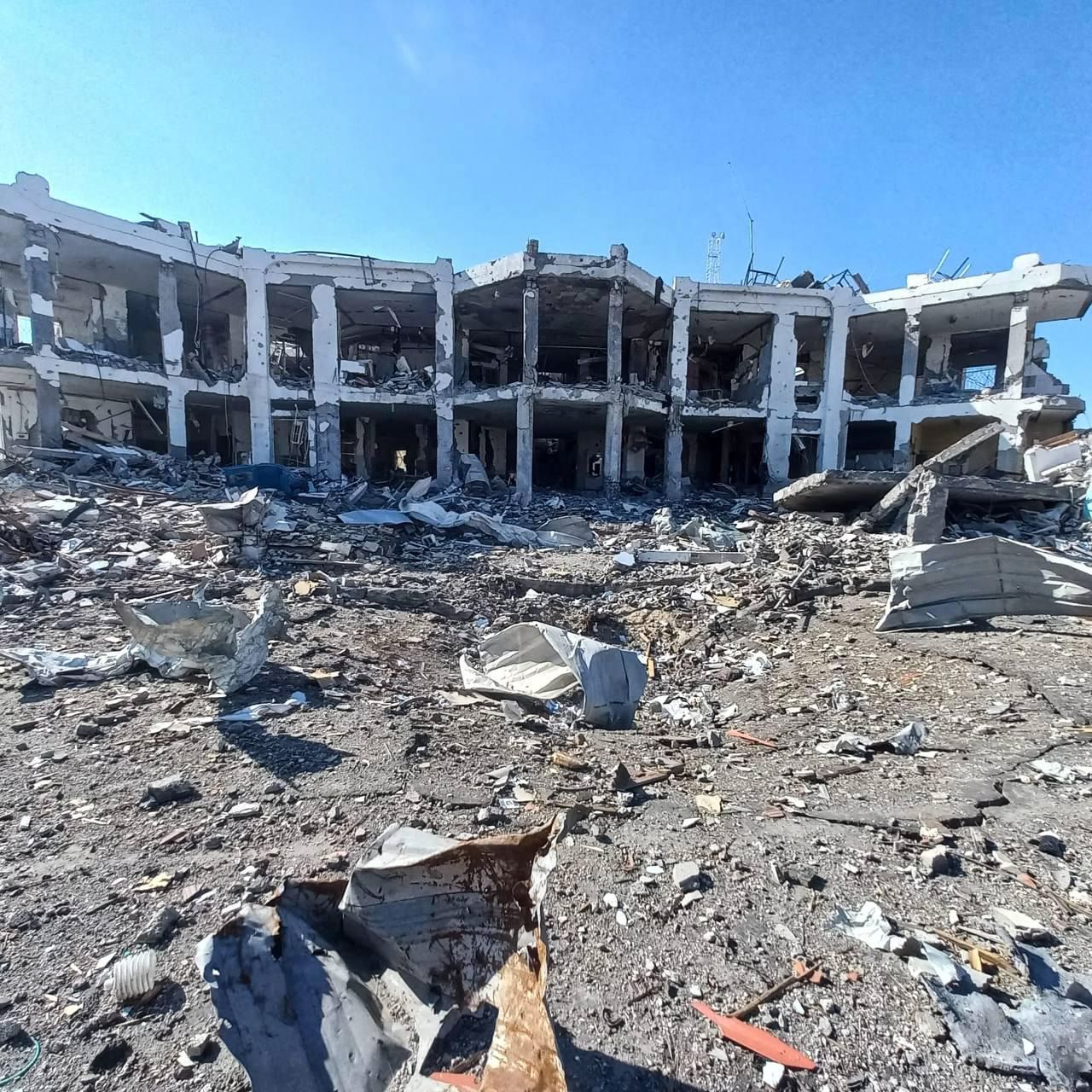
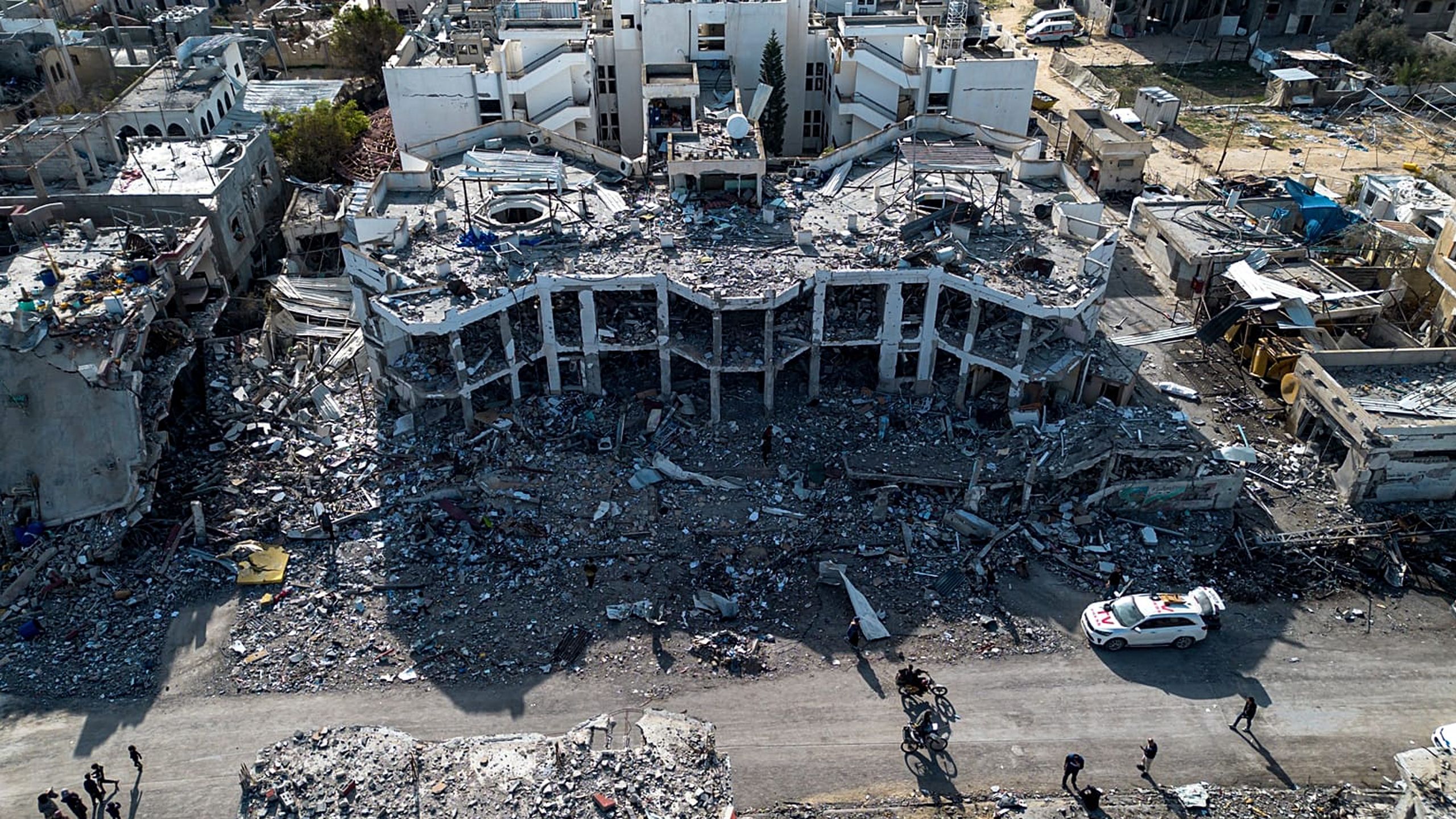
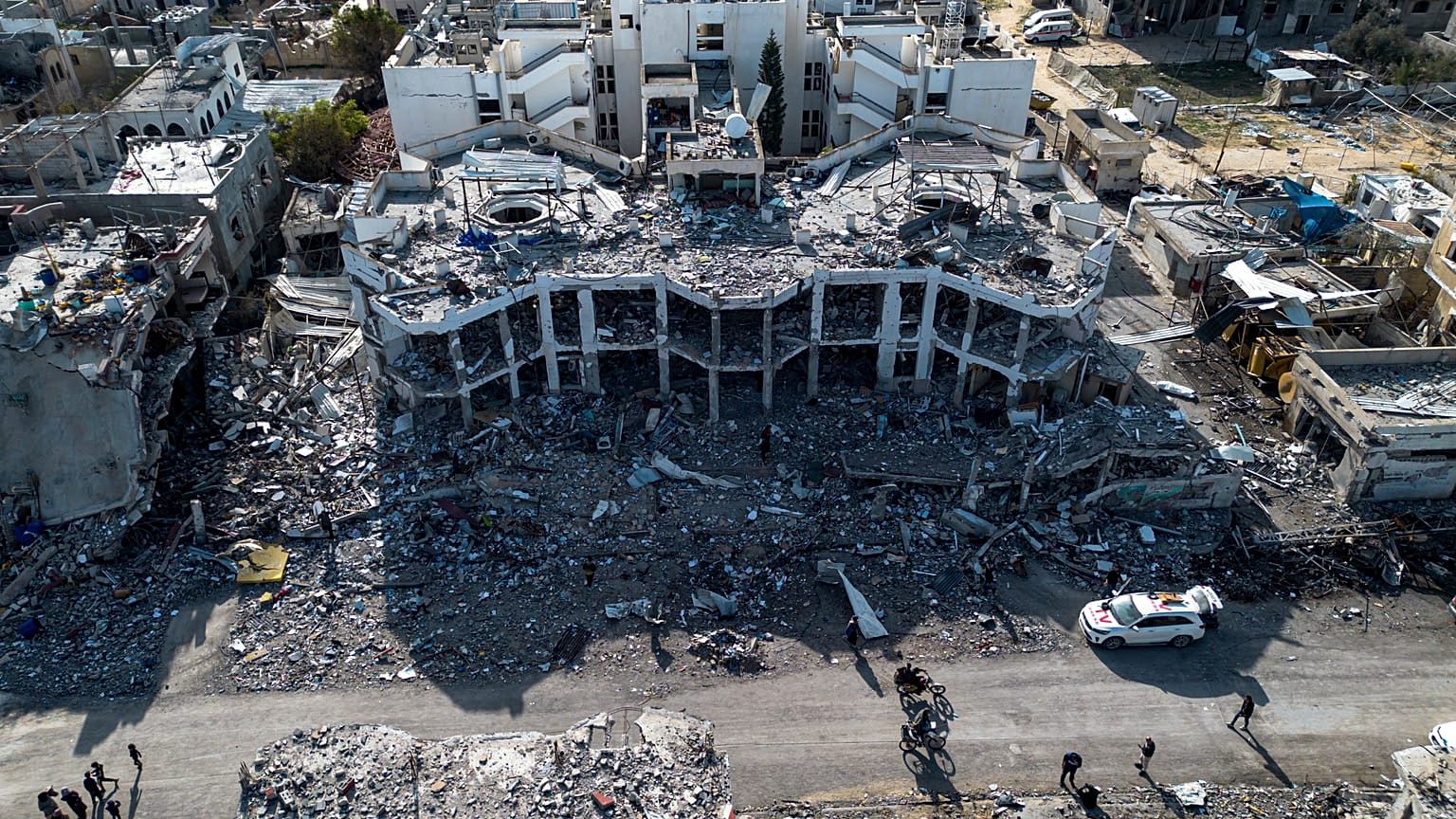
The effects of the destruction on the hospital where Tamer used to work, Abu Youssef Al-Najjar, in the city of Rafah
The effects of the destruction on the hospital where Tamer used to work, Abu Youssef Al-Najjar, in the city of Rafah
Read more