How a new QR code initiative is helping students feel heard at Ninewells Hospital
The hospital’s radiotherapy department was recently highlighted by the Scottish Public Services Ombudsman for its innovative QR code check-in feature. Synergy explores how listening to feedback has been transformative for the team



By Marese O'Hagan
By Marese O'Hagan
Student wellbeing is a major priority in healthcare education. Today’s students are tomorrow’s radiographers, and so protecting their welfare early in their career is essential.
That was one of the inspirations behind the innovative new QR code check-in feature at Ninewells Hospital in Dundee. Created by Kelsey Normand and the team in the hospital’s radiotherapy department, the initiative allows students to submit feedback about anything that might be on their mind instantly – from thoughts on their placement to mental health struggles.
In recognition of their work, the Scottish Public Services Ombudsman selected Ninewells radiotherapy department to be featured during Speak Up Week in October, an annual event run by the Independent National Whistleblowing Officer. Speak Up Week encourages staff in NHS Scotland to talk about any concerns they might have and promote a safe workplace for all.
The idea for a QR code was born out of a student peer-assisted learning project, one of the many student activities facilitated by Kelsey, an advanced practitioner in education and development. Synergy asked Kelsey, who qualified as a Therapeutic Radiographer in 2012, to share her experience of creating a unique platform for engaging in student welfare.
By Marese O'Hagan
By Marese O'Hagan
Student wellbeing is a major priority in healthcare education. Today’s students are tomorrow’s radiographers, and so protecting their welfare early in their career is essential.
That was one of the inspirations behind the innovative new QR code check-in feature at Ninewells Hospital in Dundee. Created by Kelsey Normand and the team in the hospital’s radiotherapy department, the initiative allows students to submit feedback about anything that might be on their mind instantly – from thoughts on their placement to mental health struggles.
In recognition of their work, the Scottish Public Services Ombudsman selected Ninewells radiotherapy department to be featured during Speak Up Week in October, an annual event run by the Independent National Whistleblowing Officer. Speak Up Week encourages staff in NHS Scotland to talk about any concerns they might have and promote a safe workplace for all.
The idea for a QR code was born out of a student peer-assisted learning project, one of the many student activities facilitated by Kelsey, an advanced practitioner in education and development. Synergy asked Kelsey, who qualified as a Therapeutic Radiographer in 2012, to share her experience of creating a unique platform for engaging in student welfare.

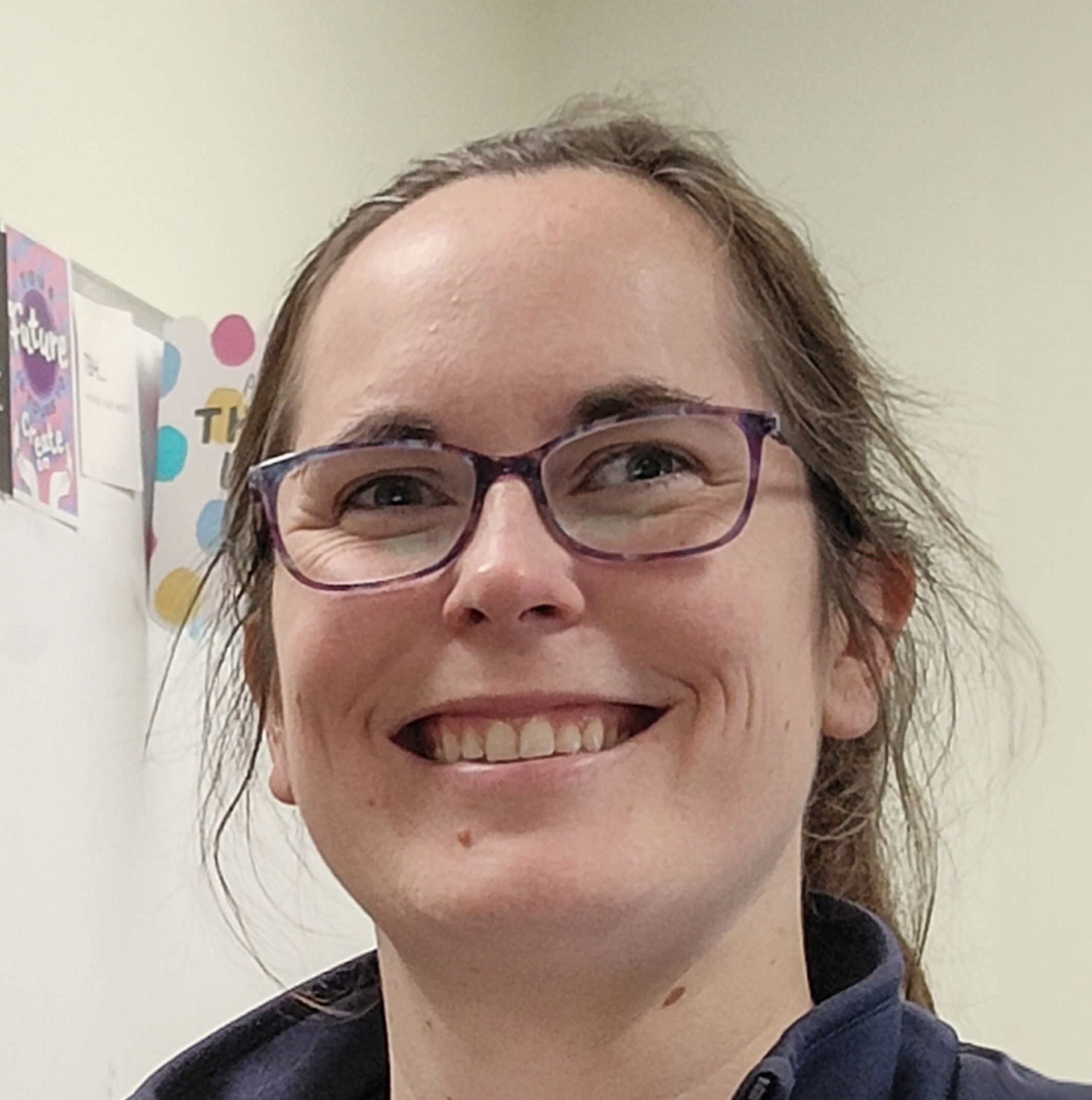
Kelsey Normand
Kelsey Normand
From GPs to students
Kelsey’s interest in collecting feedback dates back to her time at the Edinburgh Cancer Centre at Western General Hospital, where she started her career. In 2017, she completed a master’s degree at Queen Margaret University, where she focused on the radiotherapy information needs of GPs. In 2024, she completed a post-graduate certificate in professional and higher education, where one of the modules focused on feedback.
Though her role as an advanced practitioner at Ninewells mainly revolves around fostering education and development for staff, she is heavily involved in supporting students at the hospital through the student liaison group. “We’ve tried to be a leader with the education in the department,” she says. “A big part of my job is shining a spotlight on really amazing work that’s happening, and the student liaison group in the radiotherapy department has always been so forward thinking and so hardworking when it comes to trying to make our department a lovely and supportive learning environment for students to come to.”
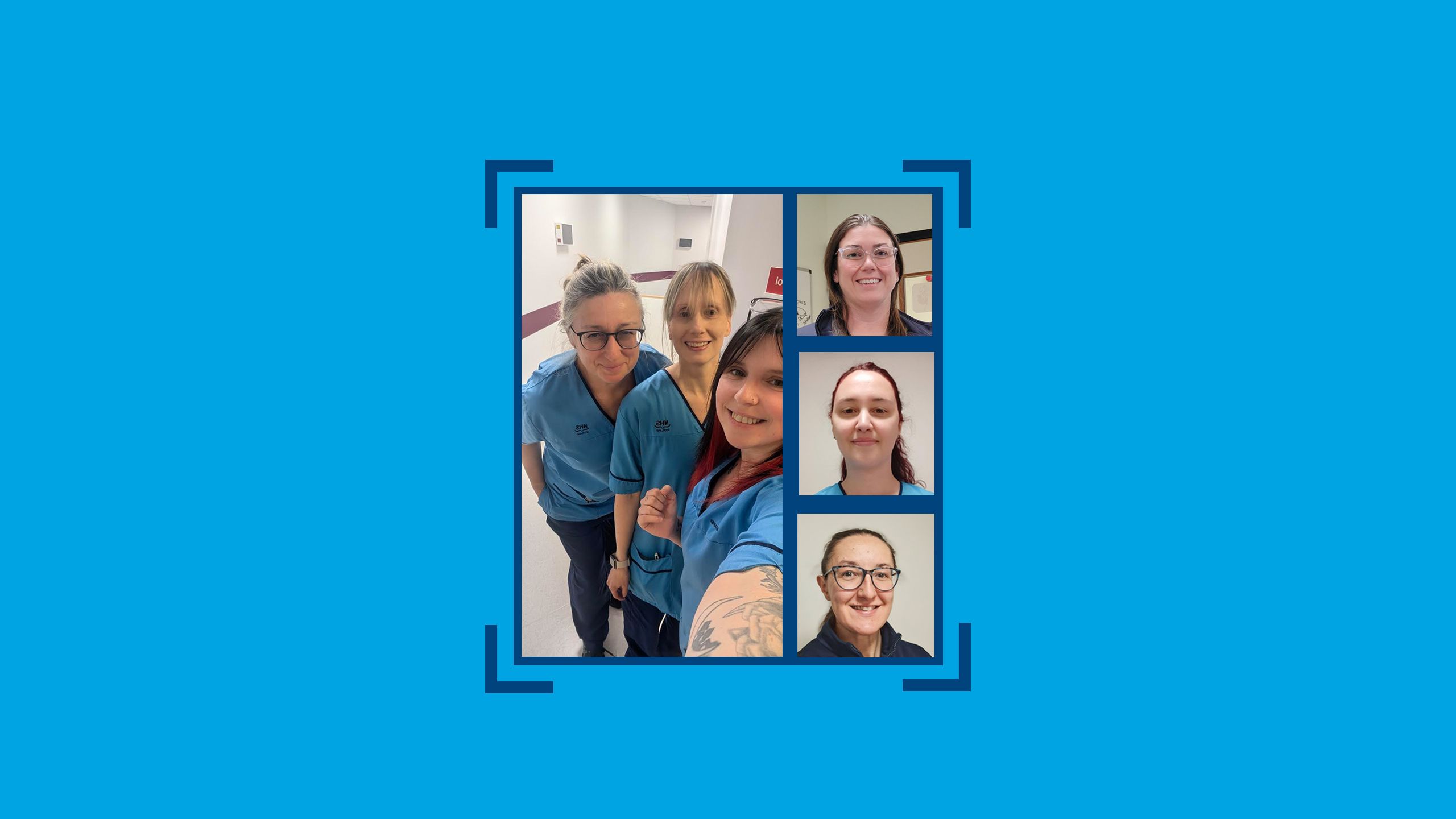
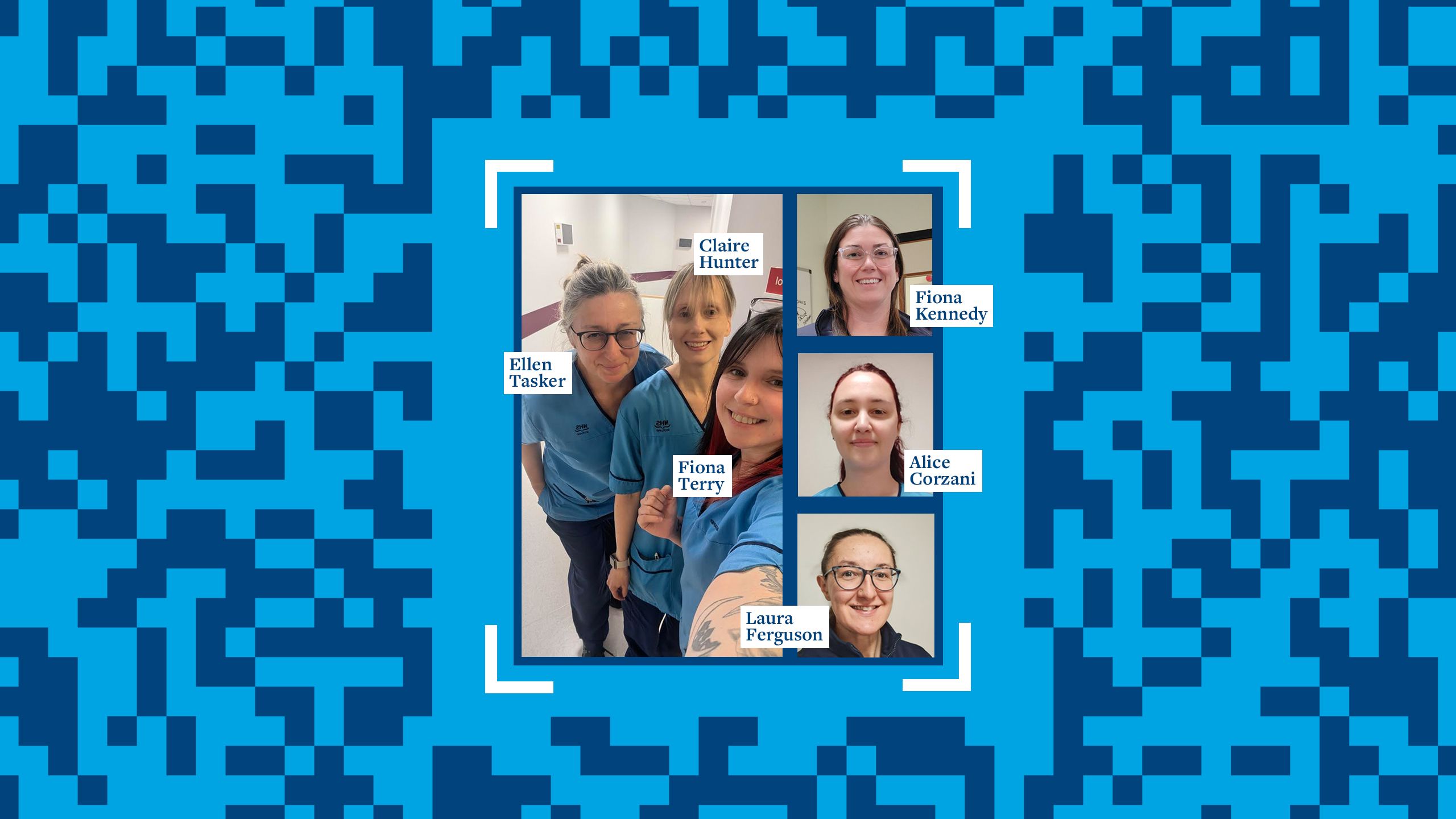
The student liaison group consists of Fiona Kennedy, Laura Ferguson, Ellen Tasker, Alice Corzani, Fiona Terry and Claire Hunter.


Part of the everyday
QR (which stands for quick response) codes are now part and parcel of daily life. Using mobile devices to scan codes to pay for parking, access more information from a poster or browse a restaurant menu is now common practice. But introducing a quickly accessible survey for student welfare is a new innovation in healthcare.
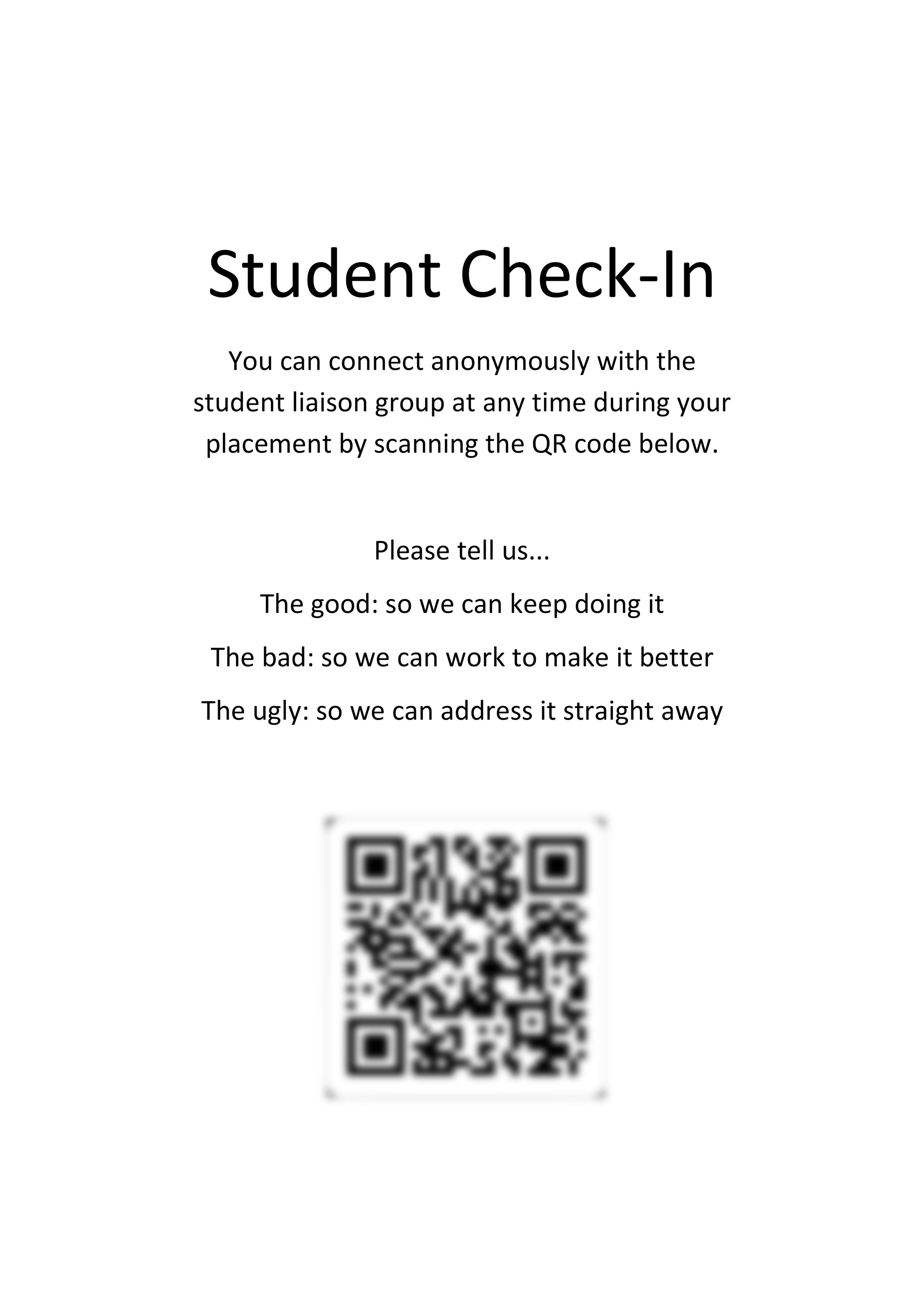
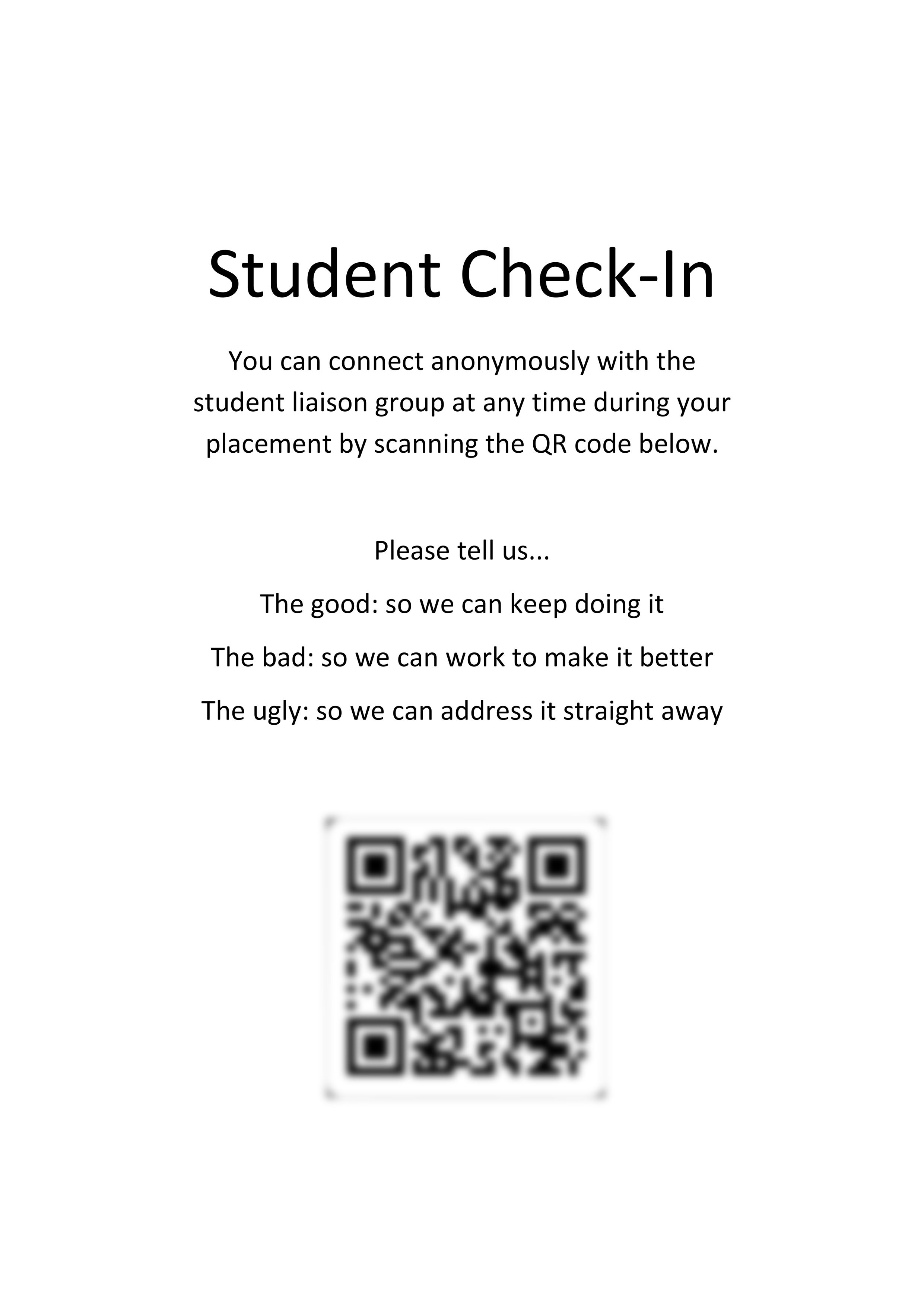
The QR code is displayed on posters hung in the department’s staff room and above the student lockers in the changing room. Getting that feedback in real time was a priority in positioning the posters. “We wanted them to have the ability to feedback within the moment, and that’s come out of that one peer-assisted learning session where the students agreed it would be so much better if they had somewhere to feed back during their placement,” Kelsey explains.
The code is linked to Microsoft Forms. From there, a student can anonymously input feedback. This is then sent directly to the student liaison group on Microsoft Teams through Power Automate, a Microsoft tool that allows users to create automated workflows. “I think any chance you have to improve communication between groups is going to help you find where things are going wrong quicker than if you didn’t have those open channels of communication,” says Kelsey.
Deciding where to put the posters was tricky, Kelsey tells Synergy, as radiographers don’t carry their mobile phones everywhere while they’re working. “You don’t want to encourage phone use down in the clinical areas,” she says. “We wanted them to be in places where students were having their breaks… sometimes you’re maybe moaning or really happy about something in the staff room, or by the lockers.”
Kelsey couldn’t be happier with how the rollout has gone – even lauding the fact that the posters have allowed for negative feedback as well as positive. “The great thing is, while we’re mostly getting positive feedback, there have been negatives as well,” she says.
“To be honest, that still makes us happy because we think: ‘Well, at least they had the confidence to speak up and say they were struggling, or some situation made them struggle.’ And at least we can react to that.”

Part of the everyday
QR (which stands for quick response) codes are now part and parcel of daily life. Using mobile devices to scan codes to pay for parking, access more information from a poster or browse a restaurant menu is now common practice. But introducing a quickly accessible survey for student welfare is a new innovation in healthcare.
The QR code is displayed on posters hung in the department’s staff room and above the student lockers in the changing room. Getting that feedback in real time was a priority in positioning the posters. “We wanted them to have the ability to feedback within the moment, and that’s come out of that one peer-assisted learning session where the students agreed it would be so much better if they had somewhere to feed back during their placement,” Kelsey explains.
The code is linked to Microsoft Forms. From there, a student can anonymously input feedback. This is then sent directly to the student liaison group on Microsoft Teams through Power Automate, a Microsoft tool that allows users to create automated workflows. “I think any chance you have to improve communication between groups is going to help you find where things are going wrong quicker than if you didn’t have those open channels of communication,” says Kelsey.
Deciding where to put the posters was tricky, Kelsey tells Synergy, as radiographers don’t carry their mobile phones everywhere while they’re working. “You don’t want to encourage phone use down in the clinical areas,” she says. “We wanted them to be in places where students were having their breaks… sometimes you’re maybe moaning or really happy about something in the staff room, or by the lockers.”
Kelsey couldn’t be happier with how the rollout has gone – even lauding the fact that the posters have allowed for negative feedback as well as positive. “The great thing is, while we’re mostly getting positive feedback, there have been negatives as well,” she says.
“To be honest, that still makes us happy because we think: ‘Well, at least they had the confidence to speak up and say they were struggling, or some situation made them struggle.’ And then we can react to that.”

Student Check In QR code
Student Check In QR code
Simplifying the process
The idea for the QR code came from a peer-assisted learning project session with Dundee placement students. At any one time, Ninewells has up to five students on placement across treatment machines, CT and planning. These students often come from Glasgow Caledonian University or Queen Margaret University, but sometimes the cohort includes Liverpool University students or elective learners from across the UK. That particular student group consisted of students from Liverpool University and Glasgow Caledonian University.
Kelsey told the group how difficult it had been getting feedback from students who had been on placement with the department. Though the department would get lots of positive verbal comments, its official feedback process was much more arduous. “You had to sit the students down at the computer and log into our system for them, and then they would have to fill the form out. So we had a really low number,” she explains.
It was a suggestion from a Liverpool University student that cracked it. “She said it was hard sometimes to get the motivation to feed back after the placement, because it was already done… And that really struck a chord with me,” says Kelsey.
“She was saying it would be good if there was something during the placement, so they could give feedback as they go rather than waiting until the end, and then it would feel like it would benefit them as well. I thought that was such an interesting idea – it’s so simple, but I had never looked at it that way.”
Benefitting staff and students
For such a simple idea, the QR code has had a real impact – Kelsey says feedback for the department is up by 400 per cent, much of which has been useful for staff. “Mostly it’s lovely, positive feedback – ‘had such a good placement at Dundee’, ‘would love to be back here again’. Then a lot of people use it quite conversationally, like: ‘This is just a wee message for staff. I honestly couldn’t thank everyone enough. It’s been the best placement block I’ve had. And it’s only two weeks in two different departments. And I felt what it was like to truly be part of a team.’ That’s such a lovely thing to read.”
A number of important changes have been implemented thanks to feedback submitted through the QR code. In one example, Kelsey and the student liaison team worked with a student on placement to circulate a prayer guidance sheet created by the British Islamic Medical Association. The sheet aimed to educate staff on what they could do to support Islamic students on their placements.
Also thanks to the QR code, break time information has been added to the department’s pre-placement student information, and positive feedback is circulated in a weekly ‘student update’ made available to all placement students. Kelsey believes there’s something transformative about seeing feedback – which could easily be a throwaway verbal comment – written down. When the comments praise individual members of staff, they can then use those as evidence in their Turas reviews.
And negative comments are not swept under the rug. In fact, it’s the opposite – they’re addressed as quickly as possible. “One person scanned in and said they were having a difficult time, and they felt that maybe their opinion wasn’t as valued,” Kelsey explains. “And because they put their name on it, because they were happy for us to come to them, we were able to go to them and have that pause.
“And straight away, in that moment, you realise that this is something that’s important for that student. This is really impactful.”
‘We didn’t create this only to hear the good things’


Speak Up Week
Kelsey jumped at the chance to showcase the QR code when NHS Tayside, the trust that runs Ninewells, sent an email asking for examples of good practice specifically focused on people speaking up. “That’s the kind of email that you can read and it goes to the bottom of your list, but I really tried to keep at the forefront of my mind what a boost it is for people,” Kelsey says.
“It’s so hard. We have hardly any time for anything beyond the clinical work, but when things are good and we’re putting a good service in, and we’re doing something innovative, if you can actually showcase it – what a boost that can give to staff who work so hard to do all that.”
As well as being highlighted by the ombudsman, accepting and addressing negative feedback as well as positive has allowed Ninewells’ radiotherapy department to implement specific, good-intentioned suggestions – and show how it prioritises both staff and student wellbeing. “We didn’t create this only to hear the good things,” Kelsey says. “I think that was such a lovely thing about being featured by [Speak Up Week] – they came back to us and said ‘we want to hear more about it’.
“I thought it was a good chance for us to highlight the fact that when there’s something that’s considering staff wellbeing or staff opportunities, we always try to think of that for students as well – not cut them out. We’re all part of the same team.”
Student wellbeing is a clear priority at Ninewells’ radiotherapy department. The process of actively listening to the needs of students and implementing measures to ensure a happier, more inclusive workplace proves how much it values the next generation of therapeutic radiographers.
Read more